【26年4月文献战报】博奥森高分文献精彩呈现

截至目前,引用Bioss产品发表的文献共39,179篇,总影响因子200,3.07分,发表在Nature, Science, Cell, Cancer Cell以及Immunity等顶级期刊的文献共140篇,合作单位覆盖了清华、北大、复旦、华盛顿大学、麻省理工学院、东京大学以及纽约大学等上百所国际知名研究机构。
我们每月收集引用Bioss产品发表的文献。若您在当月已发表SCI文章,但未被我公司收集,请致电Bioss,我们将赠予现金鼓励,金额标准请参考“发文章 领奖金”活动页面。
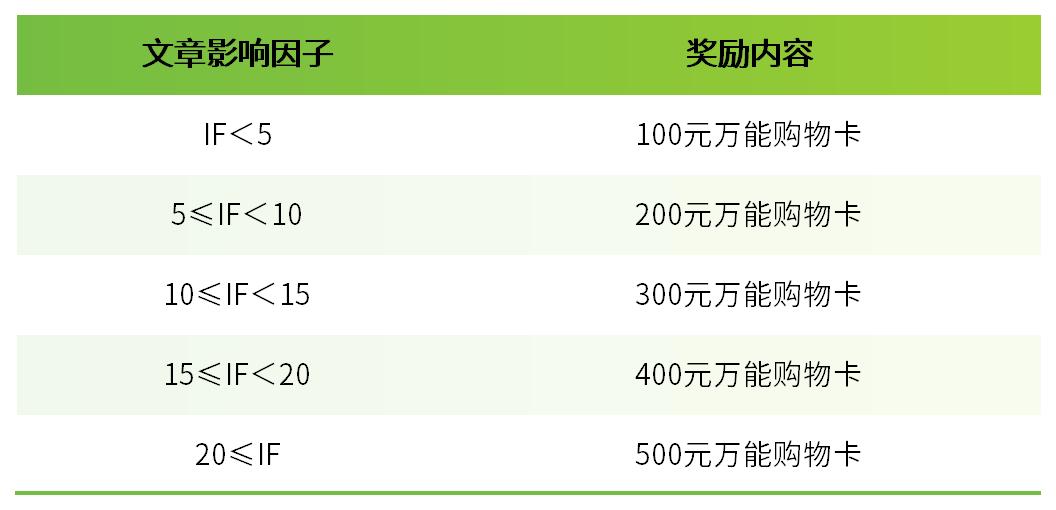
本文主要分享9篇IF≥19的文献,它们引用了Bioss产品,分别发表在Nature Immunology、Immunity、Materials Today、Cell Stem Cell、Bioactive Materials、Cellular & Molecular Immunology、Nature Aging、Advanced Functional Materials期刊上,让我们一起学习吧。
Nature Immunology [IF=27.6]
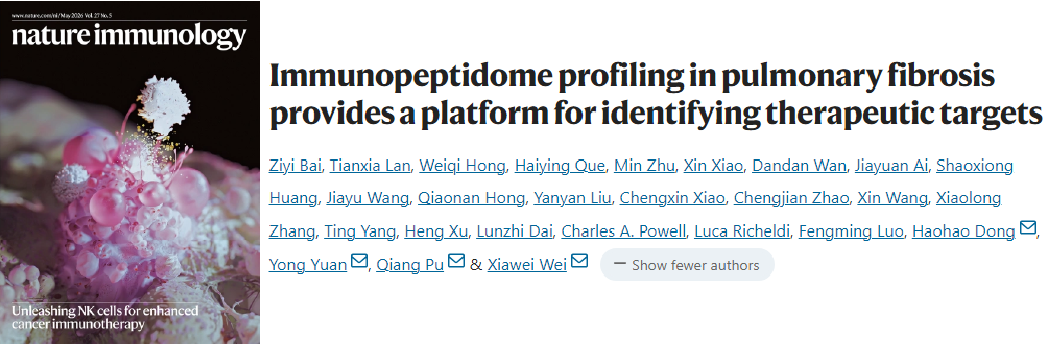
文献引用产品:
bs-5977R-Cy3 | c-Maf Rabbit pAb, Cy3 conjugated | IF
作者单位:四川大学华西医院
Nature Immunology [IF=27.6]
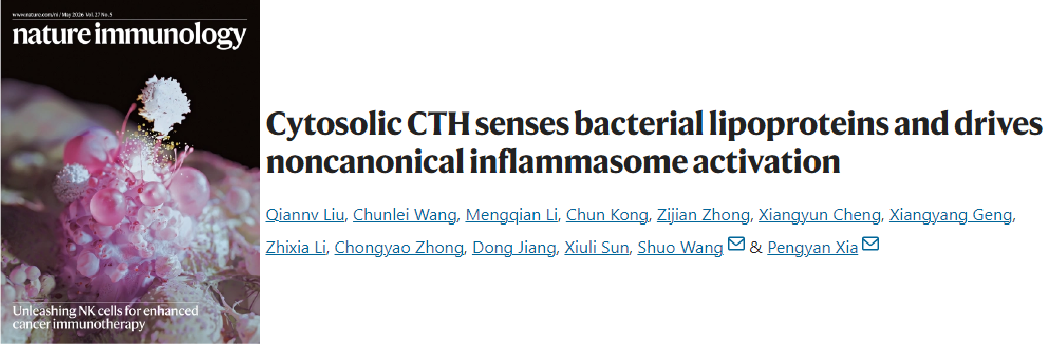
文献引用产品:
bs-0294D-BF488 | Donkey Anti-Goat IgG H&L, BF488 conjugated | IF
bs-0295D-BF594 | Donkey Anti-Rabbit IgG H&L, BF594 conjugated | IF
作者单位:北京大学
Immunity [IF=26.3]
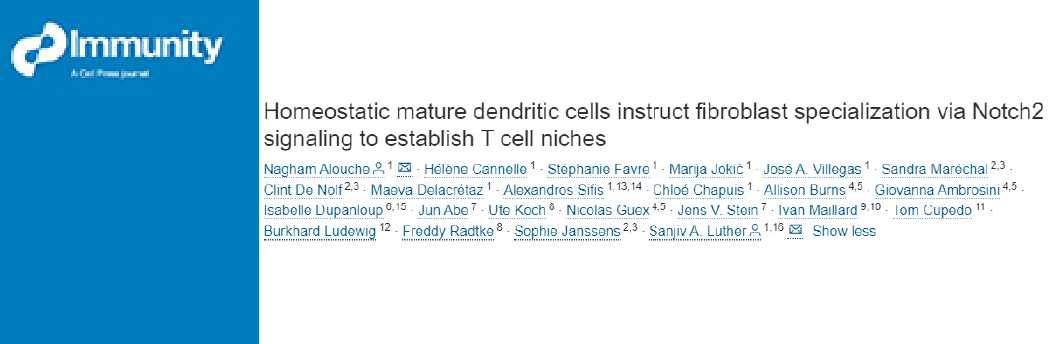
文献引用产品:
作者单位:瑞士洛桑大学
Materials Today [IF=22]
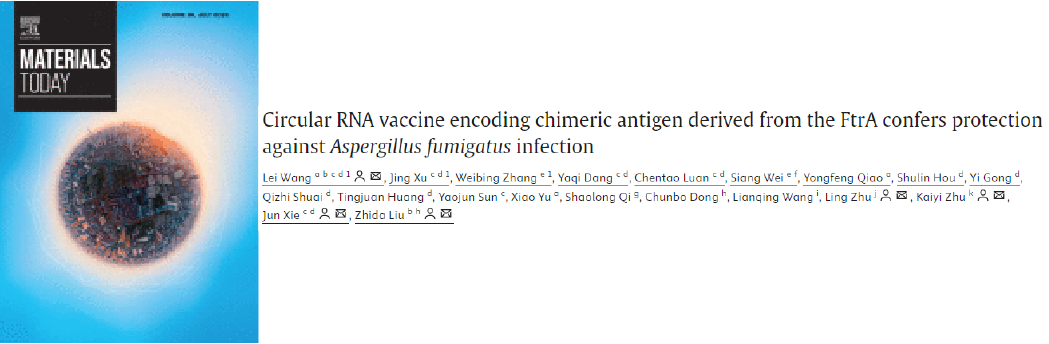
文献引用产品:
Cell Stem Cell [IF=20.4]
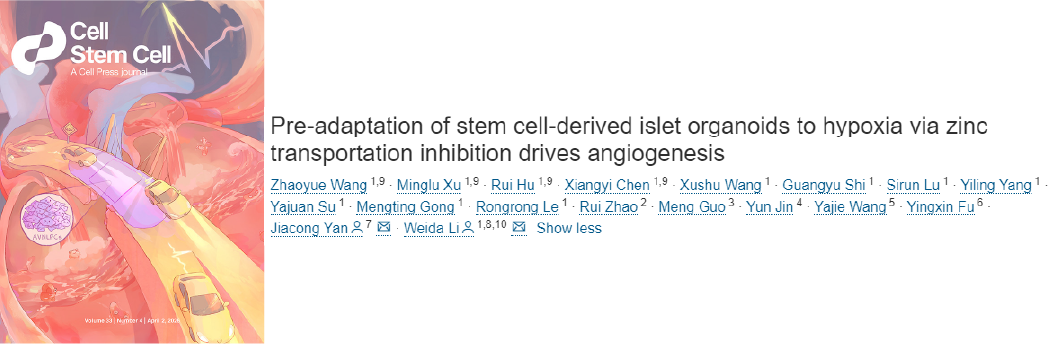
文献引用产品:
bs-0924D-BF647 | Donkey Anti-Goat IgG H&L, BF647 conjugated | Other
Bioactive Materials [IF=20.3]
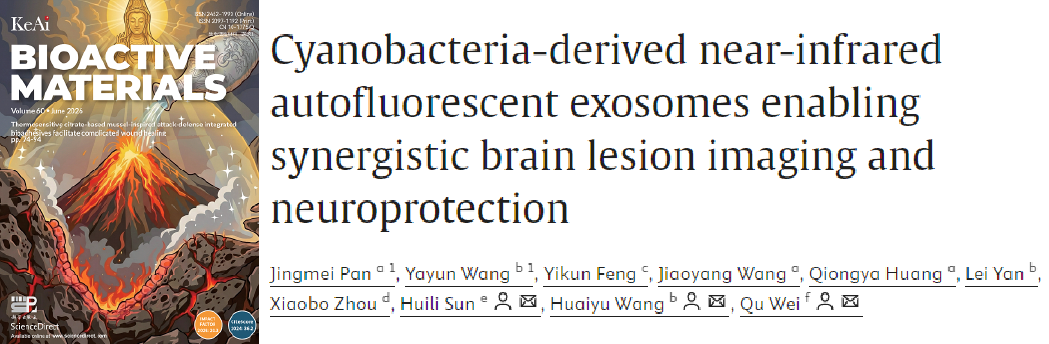
文献引用产品:
bs-20160R | NFKB p65 Rabbit pAb | IF, WB
bs-1287R | IKB alpha Rabbit pAb | WB
bs-3614R | PPAR alpha Rabbit pAb | WB
作者单位:西南交通大学
摘要:Precision diagnosis and treatment of central nervous system (CNS) diseases are hindered by limited probe penetration, toxicity risks, and low imaging signal-to-noise ratio (SNR). The blood-brain barrier (BBB) further restricts drug delivery, especially in stroke therapy. This study proposes and validates a natural exosome (sExos) from cyanobacteria, featuring intrinsic near-infrared-I (NIR-I) autofluorescence, with strong imaging and neuroprotective functions. As a theranostic nanoplatform, sExos enable integrated diagnosis and treatment of stroke and other brain disorders. Enriched with the fluorescent phycobiliprotein ApcE, sExos support label-free, high-SNR brain imaging in the NIR-I window. In vivo, sExos cross the BBB and accumulate in ischemic lesions, enabling dynamic visualization. Mechanistically, sExos regulate lipid metabolism and inhibit NF-κB signaling, reducing oxidative stress and neuroinflammation, while promoting neural recovery. Toxicity and immunogenicity evaluations confirm excellent biocompatibility and safety. In summary, this naturally autofluorescent exosome offers a label-free, brain-penetrant, and therapeutically promising imaging-intervention strategy, opening avenues for noninvasive stroke therapy and precision CNS disease management.
Cellular & Molecular
Immunology [IF=19.8]
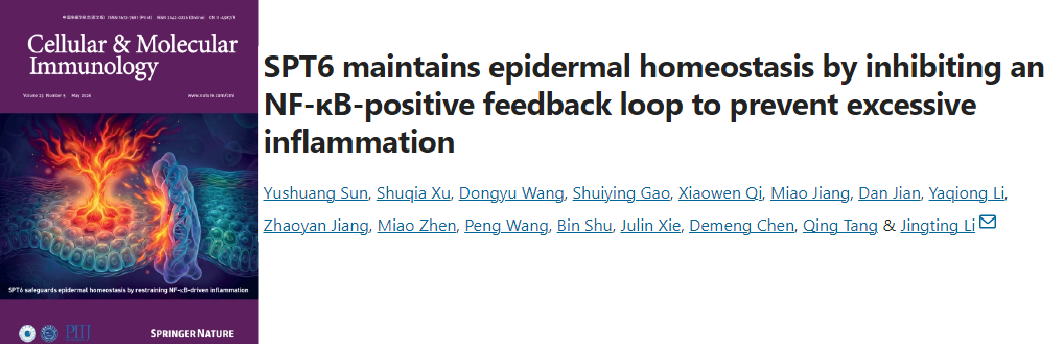
文献引用产品:
作者单位:中山大学第一附属医院
摘要:Keratinocytes are increasingly recognized as central regulators of cutaneous immune responses and key contributors to maintaining immune homeostasis. However, whether and how epidermal stem and progenitor cells (EPSCs) actively suppress proinflammatory signaling pathways to prevent excessive inflammation and maintain epidermal immune quiescence remains unclear. Here, we generated a conditional knockout mouse model (K14-CreERT; Supt6fl/fl) to investigate the role of SPT6, a transcription elongation factor, in epidermal and immune homeostasis. Loss of SPT6 in basal keratinocytes led to spontaneous, psoriasis-like skin inflammation, characterized by epidermal hyperplasia, immune cell infiltration, parakeratosis, and hyperkeratosis. SPT6-deficient mice also exhibited significantly delayed wound healing accompanied by impaired Wnt signaling. Moreover, single-cell RNA sequencing revealed distinct keratinocyte subpopulations with inflammatory signatures, elevated NF-κB signaling, and suppressed Wnt signaling. Mechanistically, SPT6 suppresses NF-κB signaling by binding to an enhancer of the RELA gene and preventing its positive transcriptional feedback loop. These findings support a new paradigm in which the default state of the skin may be primed for inflammation, and active suppression by factors such as SPT6 is required to maintain epidermal homeostasis. Taken together, the results of our study reveal a previously unrecognized role for SPT6 as a key regulator of epidermal immune quiescence and tissue integrity.
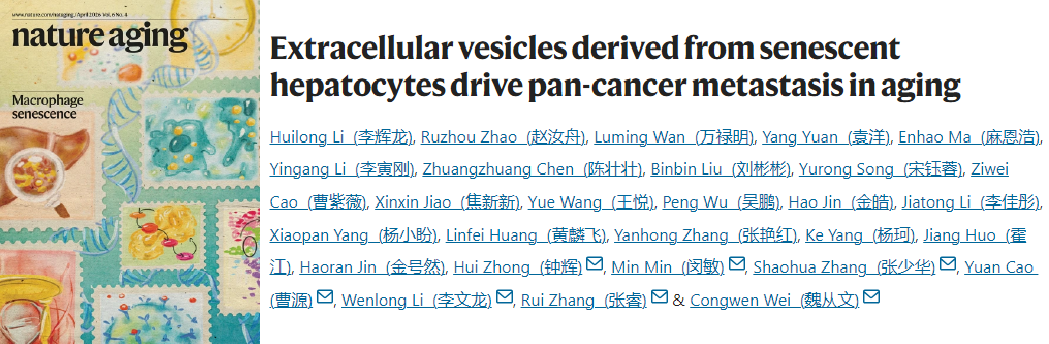
Nature Aging [IF=19.4]
文献引用产品:
作者单位:福建医科大学附属协和医院
摘要:Malignant tumors are the leading cause of death in individuals over 65 years old, with metastasis as the primary driver. Emerging evidence suggests that age-related metabolic changes and secreted factors increase the risk of metastasis, but the underlying mechanisms remain unclear. Here we demonstrate in mice that extracellular vesicles (EVs) from senescent hepatocytes promote metastasis across tumor types. We show that aged liver tissue exhibits elevated expression of P2X purinoceptor 7 (P2RX7), which is associated with increased EV biogenesis. We identify EV-encapsulated miRNAs (miR-25, miR-92a, miR-30c and miR-30d) that reach primary tumors through the circulation and enhance tumor invasiveness and metastatic potential. Similarly, clinical samples from older patients show reduced expression of the miRNA target genes PTEN and LATS2, as well as enhanced epithelial–mesenchymal transition in metastatic tumors. Therapeutically, targeting senescence with dasatinib and quercetin (D + Q), inhibiting P2RX7, or silencing EV-associated miRNAs considerably reduces metastasis in aged mice. Together, our study uncovers a mechanism by which senescent hepatocyte-derived EVs drive tumor metastasis during aging and highlights potential strategies to mitigate this process.
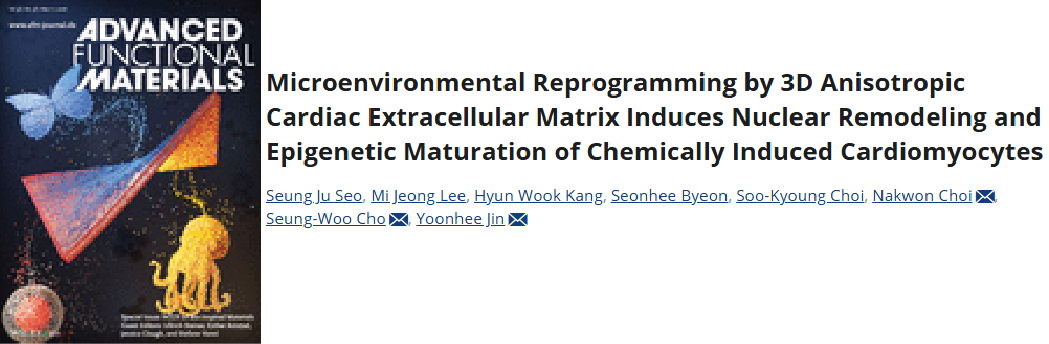
Advanced Functional
Materials [IF=19]
文献引用产品:
作者单位:韩国首尔延世大学
摘要:Extracellular matrix (ECM) of the heart exhibits highly organized anisotropy, which is essential for directing cellular alignment, force transmission, and tissue function. However, mechanistic pathways linking ECM alignment to nuclear and epigenetic remodeling remain poorly defined, especially in the context of direct cardiac reprogramming. Here, a 3D anisotropically aligned decellularized heart ECM (HEM) is engineered to investigate how structural and biochemical cues modulate maturation of chemically induced cardiomyocyte-like cells (CiCMs). The alignment of HEM enhances cytoskeletal organization and perinuclear actin assembly, leading to nuclear elongation and intermembrane redistribution of emerin from the inner to the outer nuclear membrane. These changes are accompanied by upregulation of SUN1/2, key components of the LINC complex, and by a transient increase in nuclear YAP/TAZ localization. Chromatin condensation is reduced under aligned conditions, with corresponding increases in H3K4me3 and decreases in H3K9me3, indicative of a more transcriptionally permissive chromatin state. Functionally, CiCMs in aligned HEM exhibit improved sarcomere structure and t-tubule development, enhanced responsiveness to β-adrenergic and muscarinic stimulation, and increased contractile force under electrical pacing. These findings reveal a mechanotransductive cascade linking cardiac ECM alignment to nuclear and chromatin remodeling, ultimately promoting functional maturation of reprogrammed cardiomyocytes in a biomimetic 3D microenvironment.