kappa Opioid receptor Rabbit pAb (一抗) | Bioss
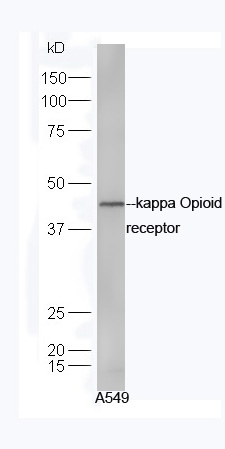
货号:bs-1094R
产品详情
相关标记
相关产品
相关文献
常见问题
概述
产品编号
bs-1094R
英文名称
kappa Opioid receptor Rabbit pAb
中文名称
kappa型阿片受体抗体
英文别名
K-OR-1; KOP; KOR; KOR-1; KOR1; OPRK; OPRK_HUMAN; OPRK1; opioid receptor kappa 1; opioid receptor, kappa 1
抗体来源
Rabbit
免疫原
KLH conjugated synthetic peptide derived from human kappa Opioid receptor: 201-300/380 <Cytoplasmic>
亚型
IgG
性状
Liquid
纯化方法
affinity purified by Protein A
克隆类型
Polyclonal
理论分子量
43 kDa
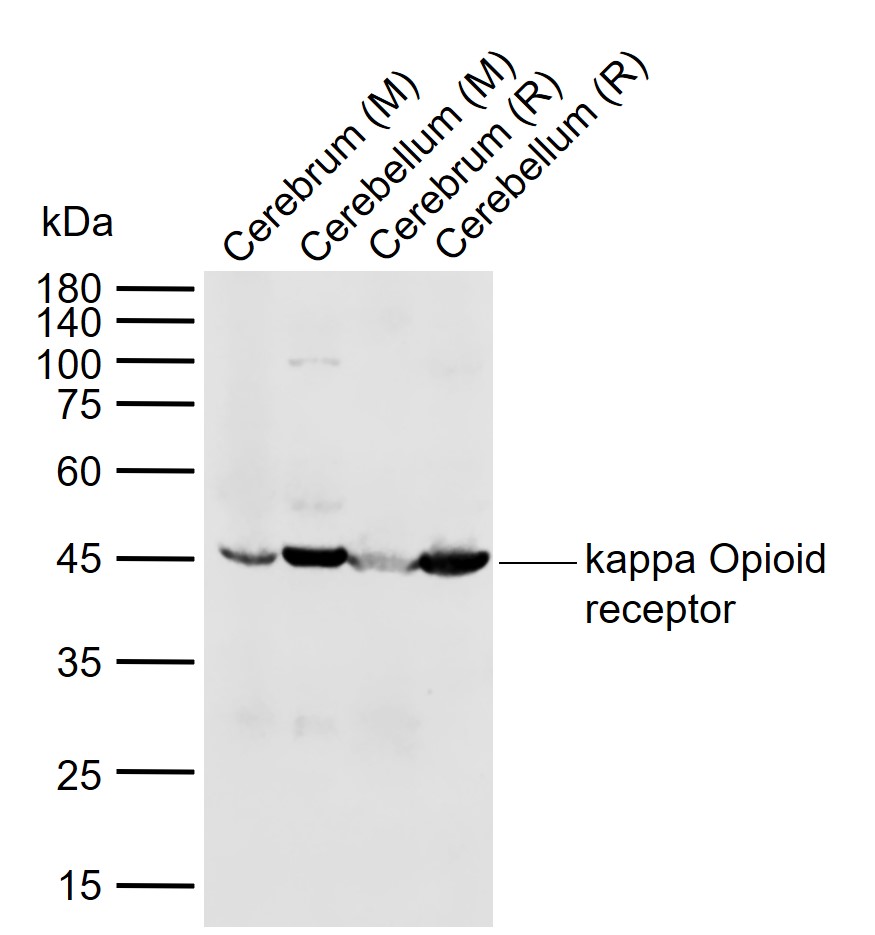
检测分子量
43 kDa
浓度
1mg/ml
储存液
0.01M TBS (pH7.4) with 1% BSA, 0.02% Proclin300 and 50% Glycerol.
SWISS
Gene ID
保存条件
Shipped at 4℃. Store at -20℃ for one year. Avoid repeated freeze/thaw cycles.
注意事项
This product as supplied is intended for research use only, not for use in human, therapeutic or diagnostic applications.
产品介绍
kappa型阿片受体在人脑和胎盘组织中有分布。κ- 受体参与镇痛 ,且与神经内分泌及免疫调节有关。此外,κ受体也调控喷他佐辛样脊髓镇痛、镇静和瞳孔缩小。κ-阿片受体由380个氨基酸组成,同样属于G蛋白偶联受体家族。
背景资料
Opioid is the term used to designate a group of compounds that are opium-like in their properties. These drugs have effects on perception of pain, consciousness, motor control, mood, and autonomic function, and can induce physical dependence. Pharmacological studies suggested that there are at least 3 major classes of opioid receptors, designated delta, kappa, and mu. They differ in their affinity for various opioid ligands and in their cellular distribution. Studies of the receptors in the mouse and rat show that they are structurally related and are members of the family of 7 transmembrane-spanning G protein-coupled receptors. The kappa opiod receptor inhibits neurotransmitter release by reducing calcium ion currents and increasing potassium ion conductance. It is the receptor for beta-endorphin.
产品应用
| 应用 | 已检合格种属 | 预测种属 | 推荐稀释比例 |
|---|---|---|---|
| WB | Human, Mouse, Rat | 1:500-2000 | |
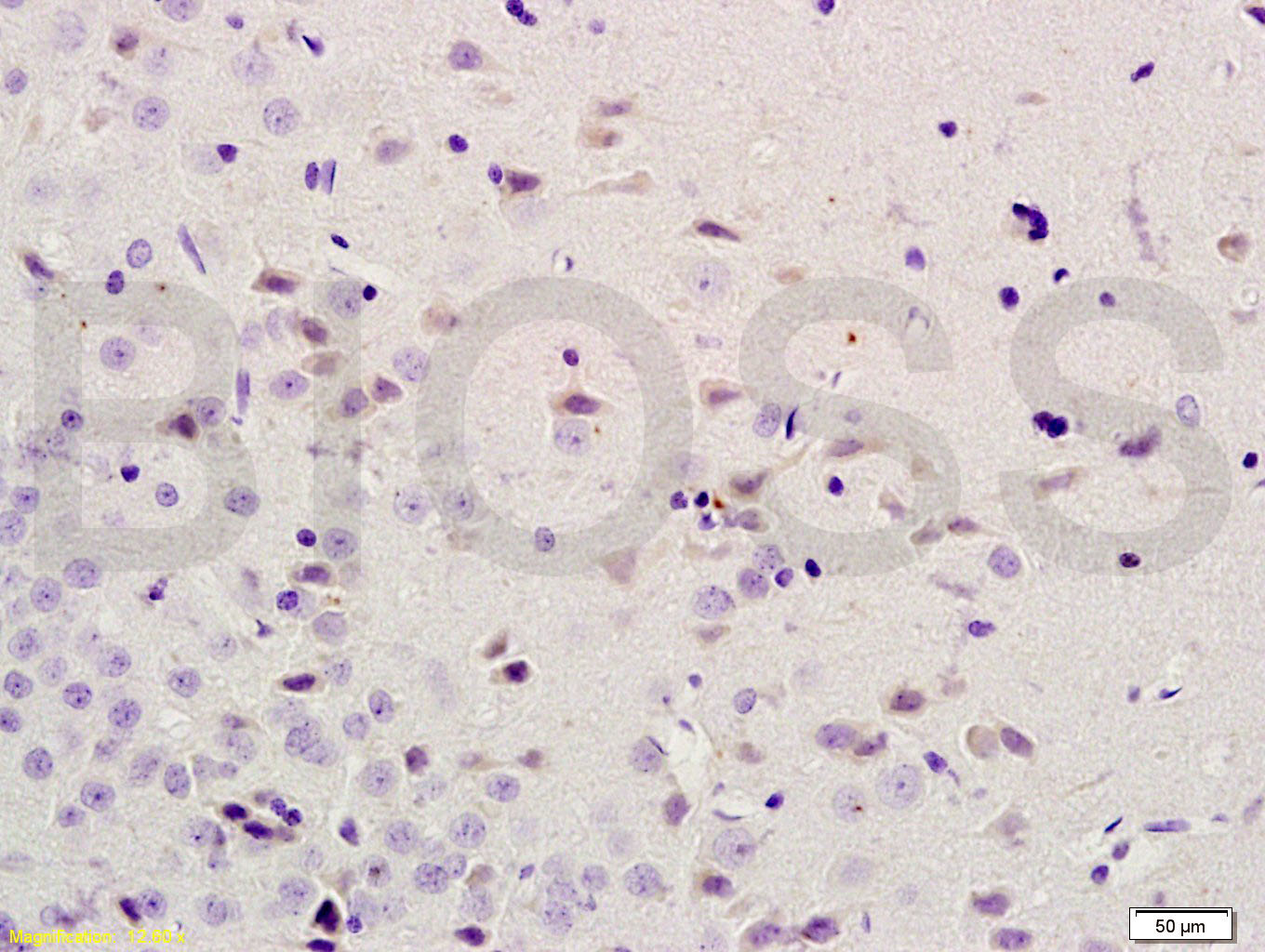
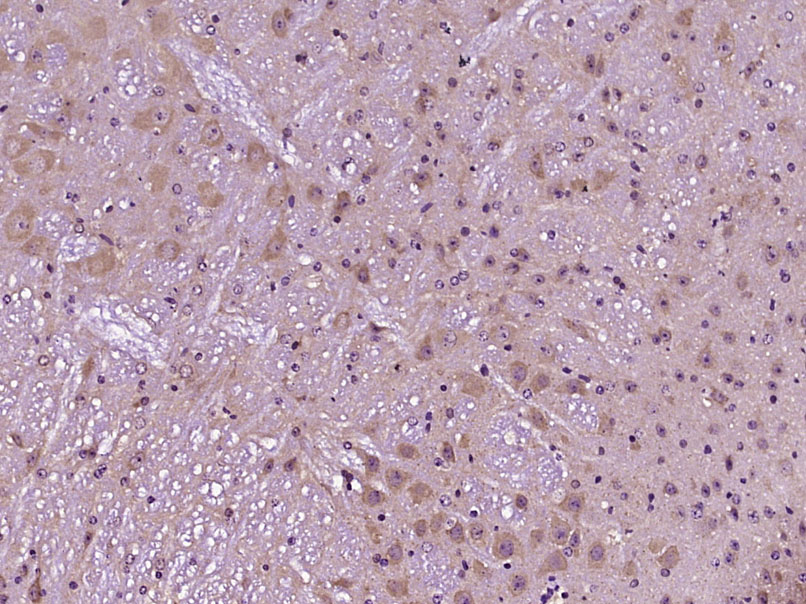
| IHC-P | Mouse, Rat | Human | 1:100-500 |
| IHC-F | Mouse, Rat | Human | 1:100-500 |
| IF | Mouse, Rat | Human | 1:100-500 |
交叉反应
交叉反应: Human, Mouse, Rat
相关产品
暂无相关产品
靶标
基因名
OPRK1
蛋白名
Kappa-type opioid receptor
亚基
Interacts with SLC9A3R1. Interacts with GABARAPL1.
亚细胞定位
Cell membrane; Multi-pass membrane protein.
相似性
Belongs to the G-protein coupled receptor 1 family.
功能
Inhibits neurotransmitter release by reducing calcium ion currents and increasing potassium ion conductance. Receptor for dynorphins. May play a role in arousal and regulation of autonomic and neuroendocrine functions.
同靶标产品
相关文献
提示: 发表研究结果有使用 bs-1094R 时请让我们知道,以便我们可以引用参考文章。作为回馈,资料提供者将获得我们送上的小礼品。
具体参考文献:bs-1094R 被引用于1文献中