eIF4E Recombinant Rabbit mAb (一抗) - WB,IHC-P,IHC-F,IF,Flow-Cyt,IP | Bioss
Rrmab?兔单抗
货号:bsm-63259R
产品详情
相关标记
相关产品
相关文献
常见问题
概述
产品编号
bsm-63259R
产品类型
重组兔单抗、mIHC精品抗体
英文名称
eIF4E Recombinant Rabbit mAb
中文名称
真核翻译起始因子4E重组兔单抗
英文别名
AUTS19; CBP; EIF4E1; EIF4EL1; EIF4F; eIF-4E; EG668879; Eif4e-ps; If4e; IF4E_HUMAN; EIF4E; eIF-4F 25 kDa subunit; mRNA cap-binding protein; IF4E_MOUSE; IF4E_RAT; eukaryotic translation initiation factor 4E
抗体来源
Rabbit
免疫原
A synthesized peptide derived from human eIF4E: 150-217
亚型
IgG
性状
Liquid
纯化方法
affinity purified by Protein A
克隆类型
Recombinant
克隆号
1F2
理论分子量
25 kDa
检测分子量
27 kDa
储存液
10mM phosphate buffered saline(pH 7.4) with 150mM sodium chloride, 0.05% BSA, 0.02% Proclin300 and 50% glycerol.
研究领域
SWISS
Gene ID
保存条件
Store at 4℃ for short term. Store at -20℃ for long term. Avoid repeated freeze/thaw cycles.
注意事项
This product as supplied is intended for research use only, not for use in human, therapeutic or diagnostic applications.
数据库链接
产品介绍
EIF4E是蛋白合成的一个主要调控因子,它表达量增加会促进多种肿瘤的生长的增值、分化,因此EIF4E是一种非常重要的抗癌药物靶标。
背景资料
Acts in the cytoplasm to initiate and regulate protein synthesis and is required in the nucleus for export of a subset of mRNAs from the nucleus to the cytoplasm which promotes processes such as RNA capping, processing and splicing.
基因名
EIF4E
蛋白名
Eukaryotic translation initiation factor 4E
亚基
eIF4F is a multi-subunit complex, the composition of which varies with external and internal environmental conditions. It is composed of at least EIF4A, EIF4E and EIF4G1/EIF4G3. EIF4E is also known to interact with other partners. The interaction with EIF4ENIF1 mediates the import into the nucleus. Nonphosphorylated EIF4EBP1, EIF4EBP2 and EIF4EBP3 compete with EIF4G1/EIF4G3 to interact with EIF4E; insulin stimulated MAP-kinase (MAPK1 and MAPK3) phosphorylation of EIF4EBP1 causes dissociation of the complex allowing EIF4G1/EIF4G3 to bind and consequent initiation of translation. Rapamycin can attenuate insulin stimulation, mediated by FKBPs. Interacts mutually exclusive with EIF4A1 or EIF4A2. Interacts with NGDN and PIWIL2. Component of the CYFIP1-EIF4E-FMR1 complex composed of CYFIP, EIF4E and FMR1. Interacts directly with CYFIP1 (By similarity). Interacts with Lassa virus Z protein. Binds to MKNK2 in nucleus. Interacts with LIMD1, WTIP and AJUBA.
亚细胞定位
Cytoplasm, P-body.
翻译后修饰
Phosphorylation increases the ability of the protein to bind to mRNA caps and to form the eIF4F complex.
相似性
Belongs to the eukaryotic initiation factor 4E family.
功能
Its translation stimulation activity is repressed by binding to the complex CYFIP1-FMR1 (By similarity). Recognizes and binds the 7-methylguanosine-containing mRNA cap during an early step in the initiation of protein synthesis and facilitates ribosome binding by inducing the unwinding of the mRNAs secondary structures. Component of the CYFIP1-EIF4E-FMR1 complex which binds to the mRNA cap and mediates translational repression. In the CYFIP1-EIF4E-FMR1 complex this subunit mediates the binding to the mRNA cap.
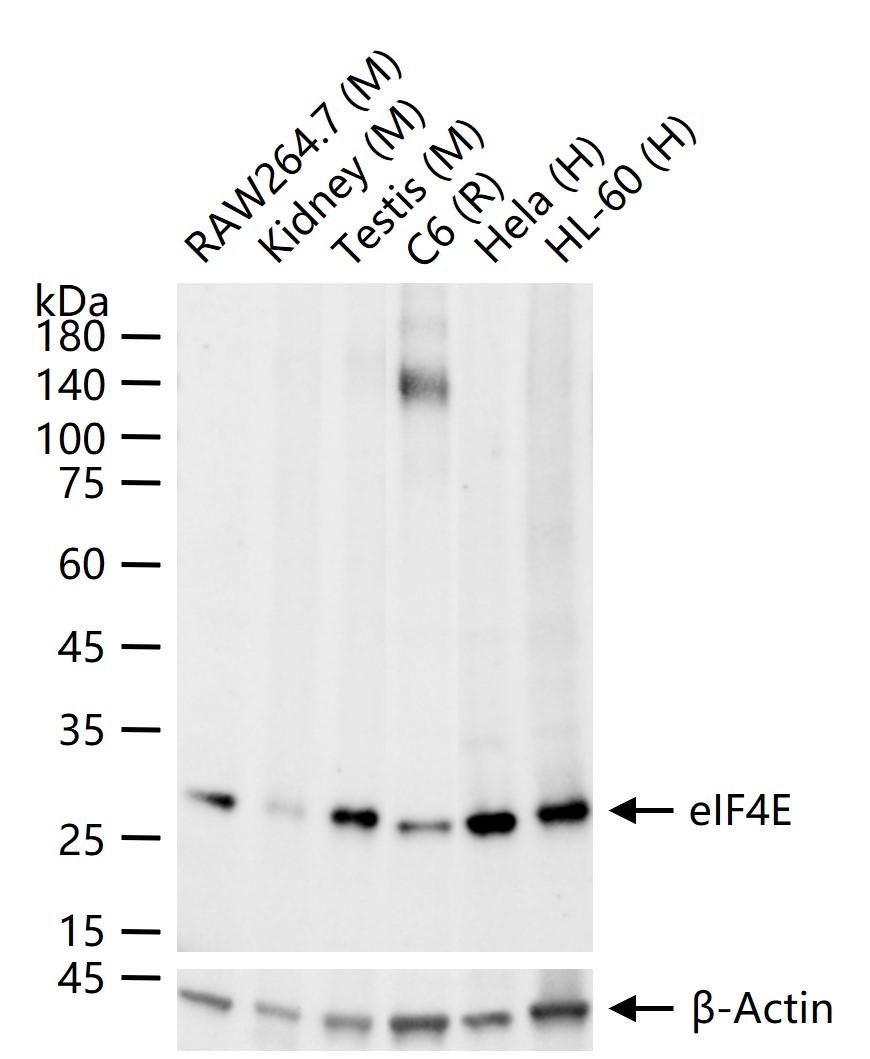
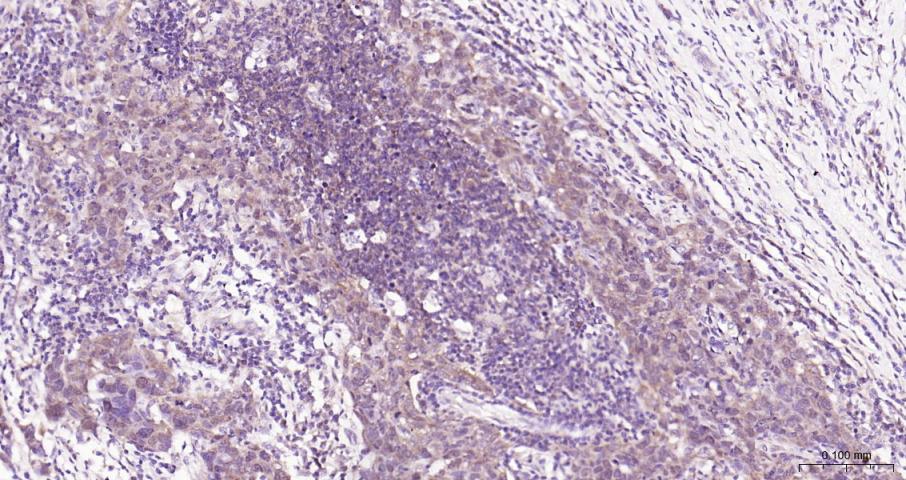
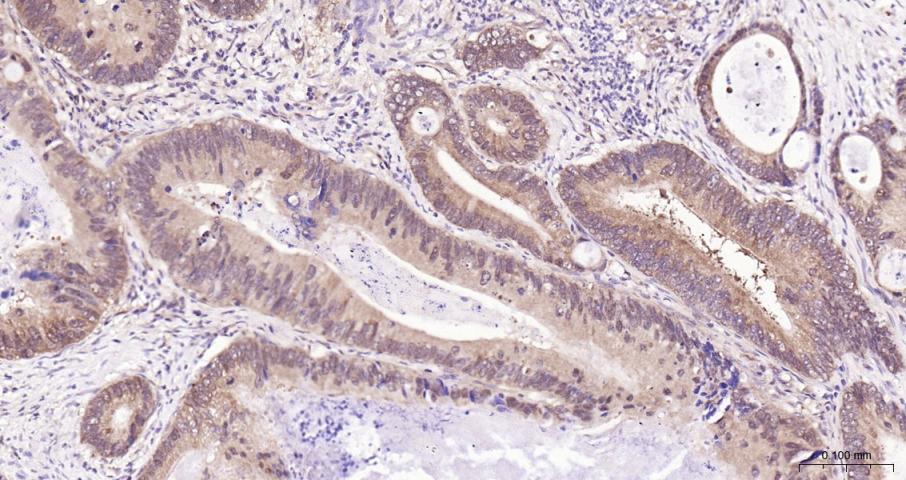
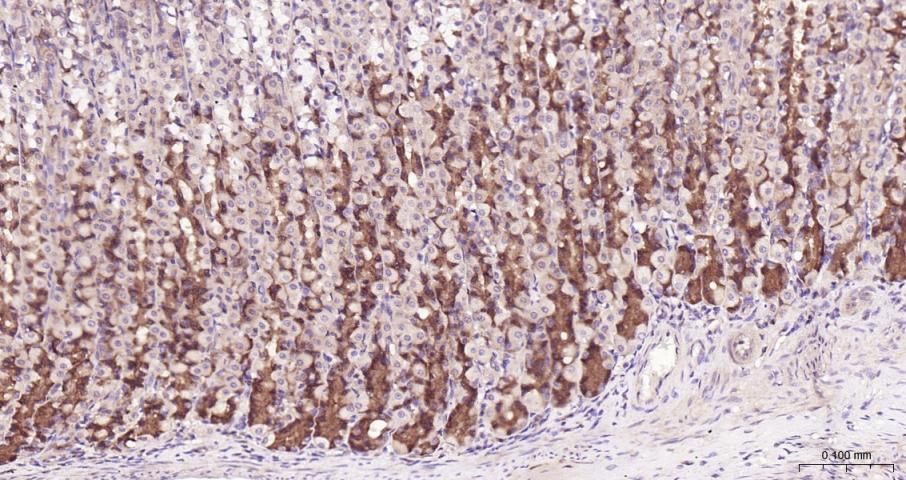
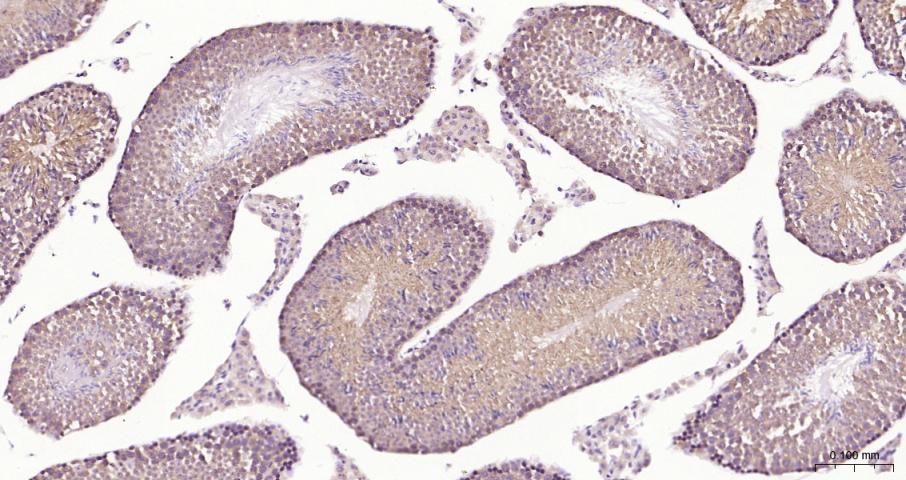
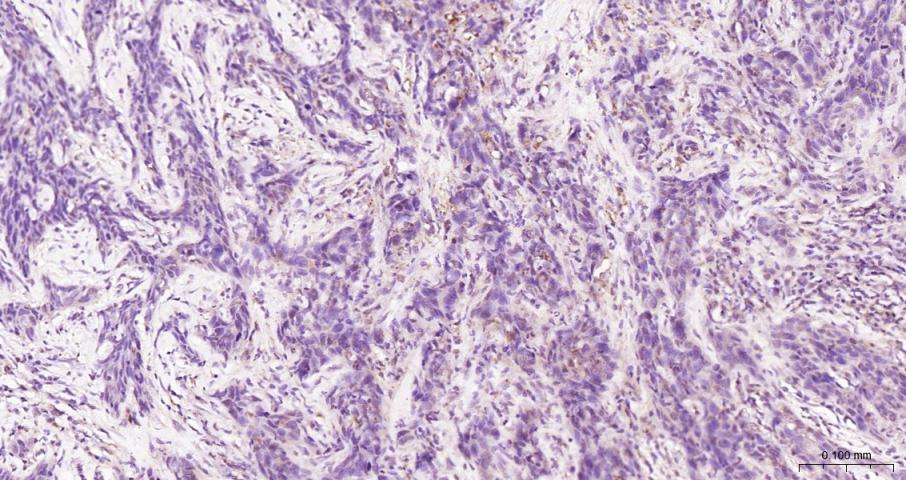
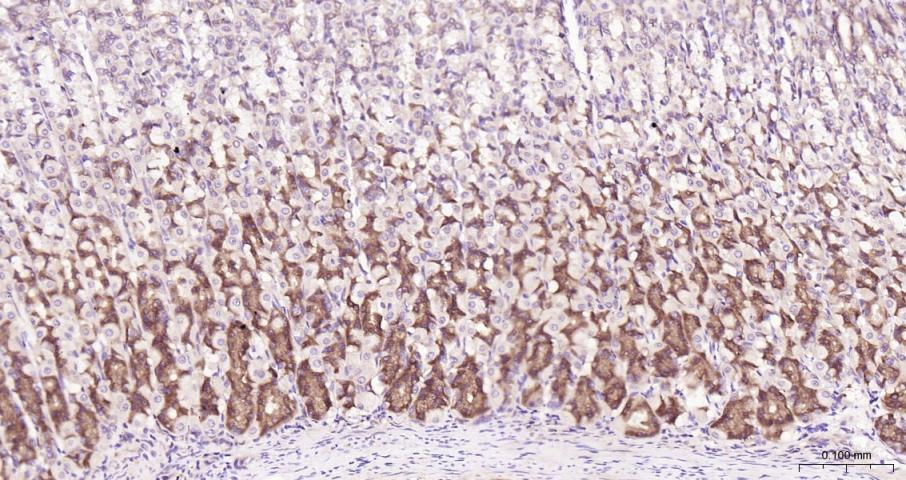
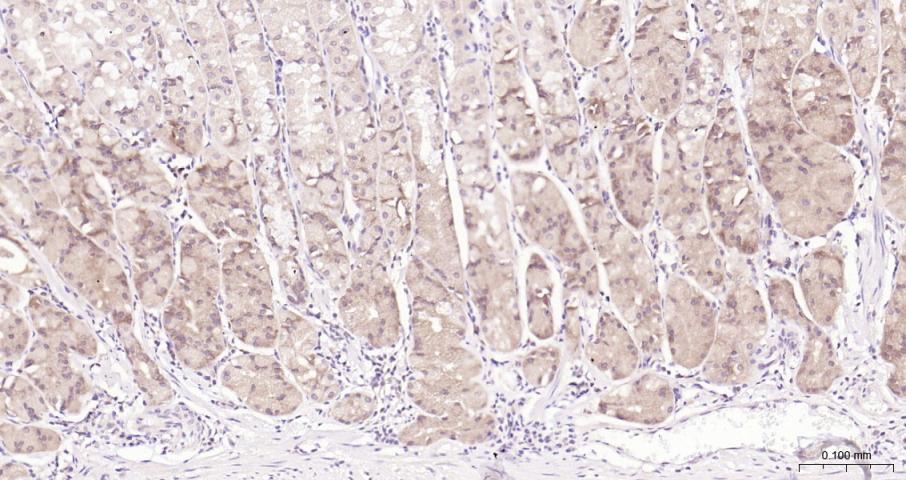
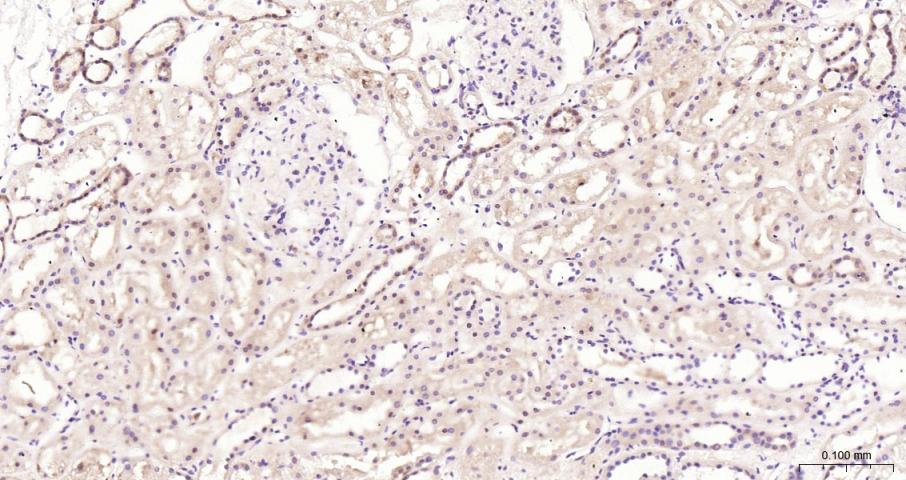
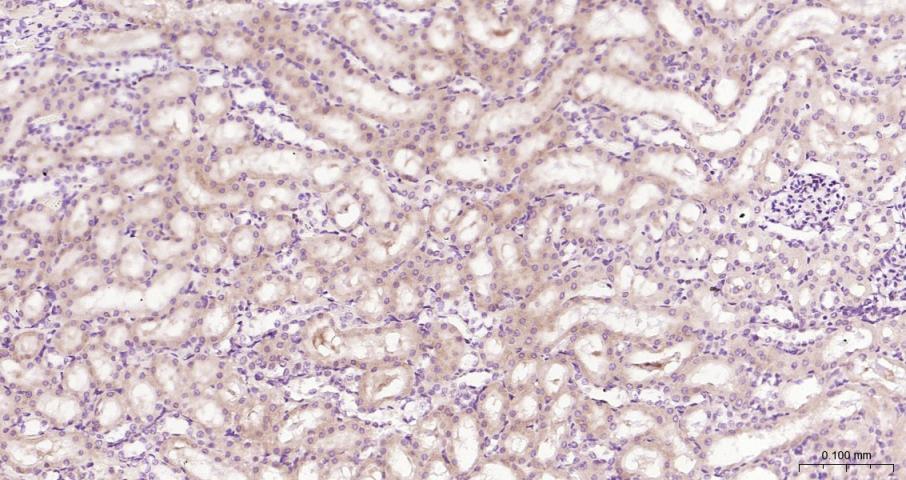
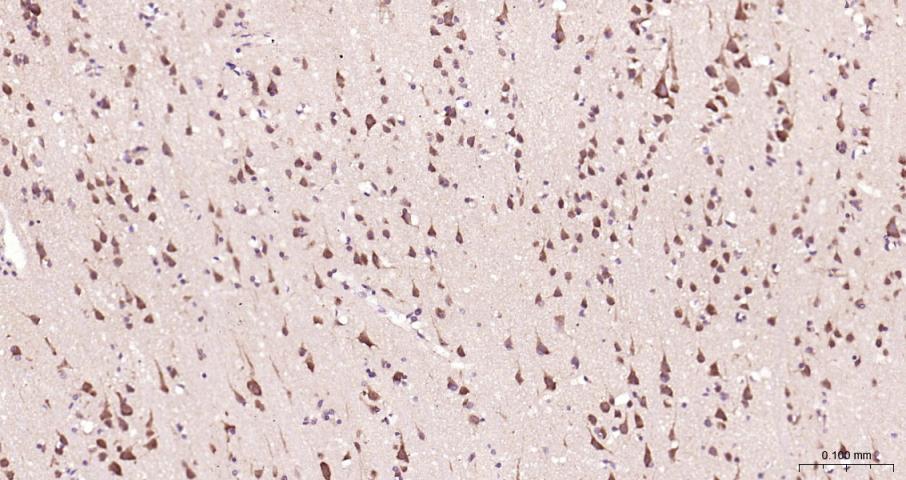
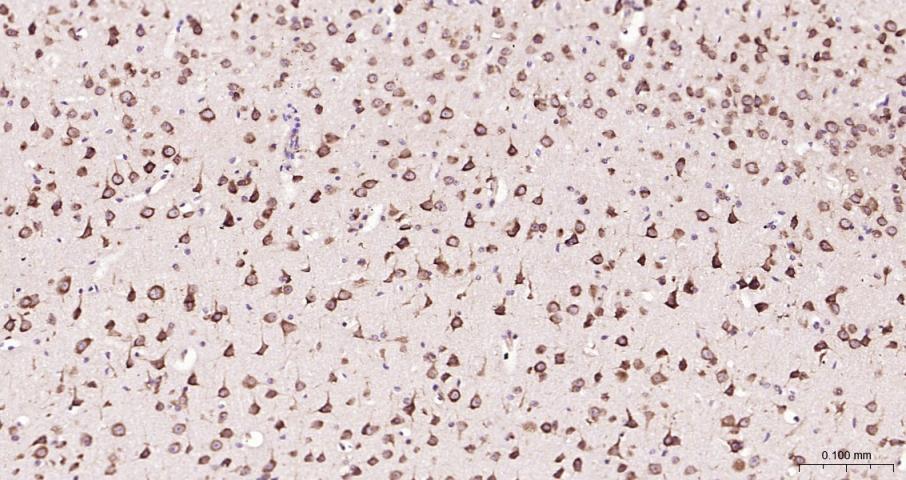
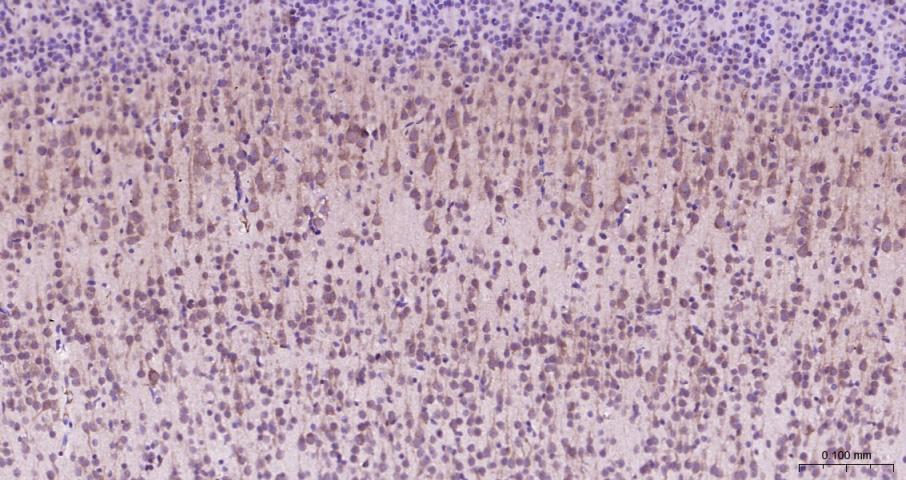
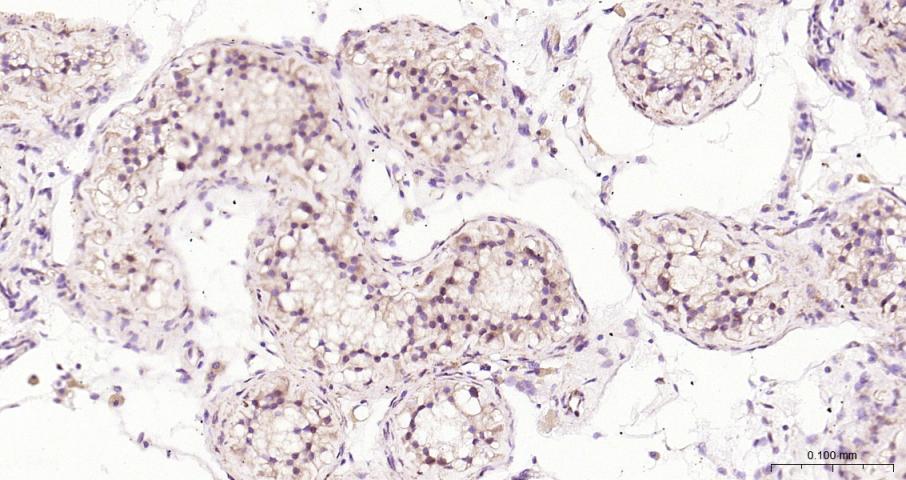
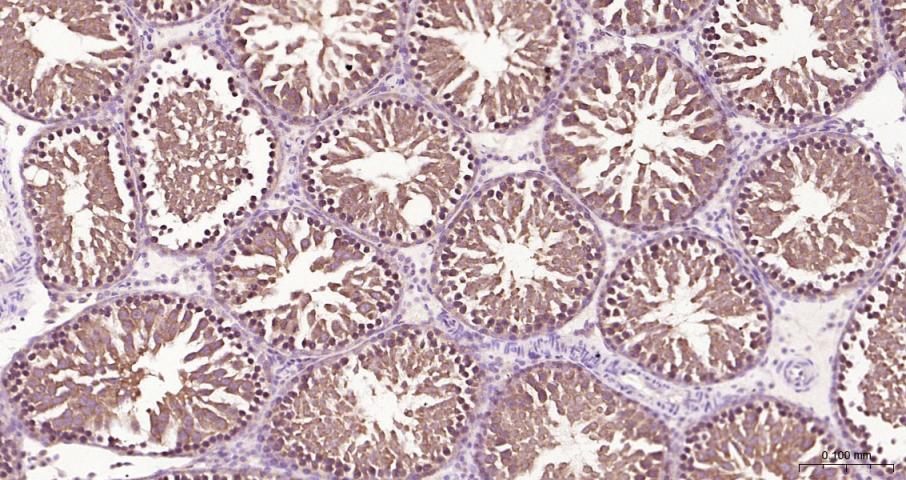
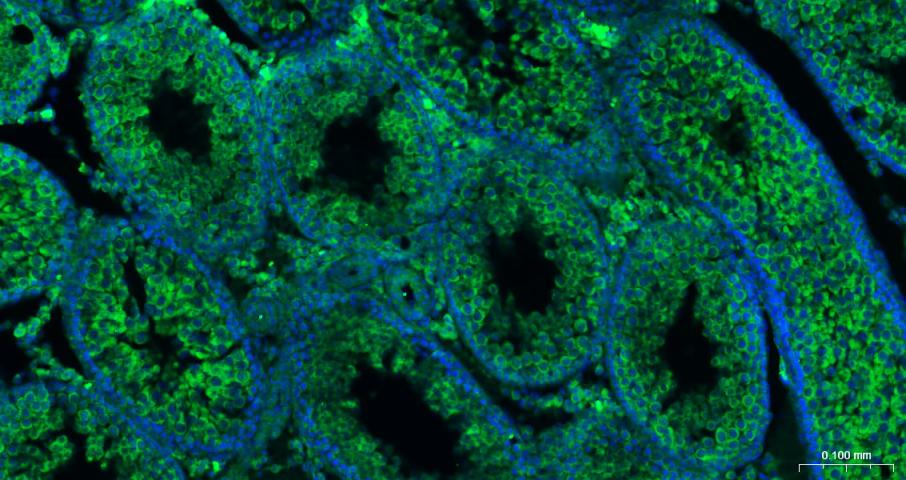
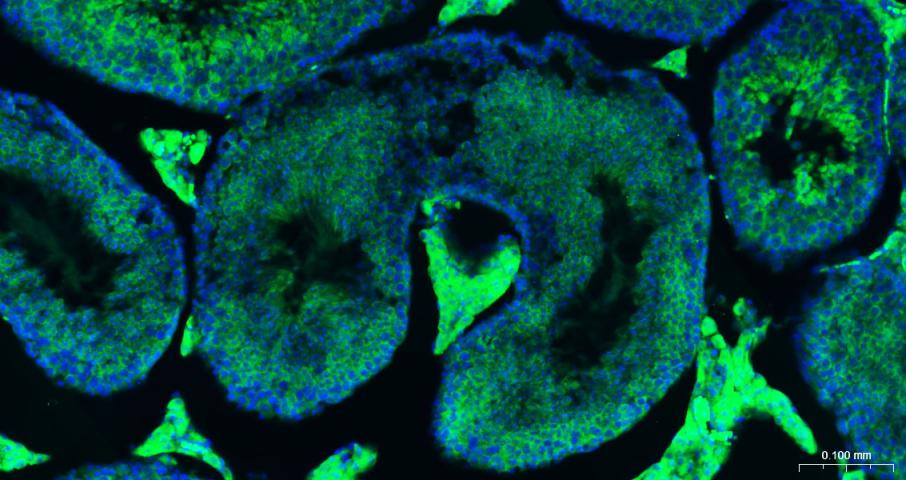
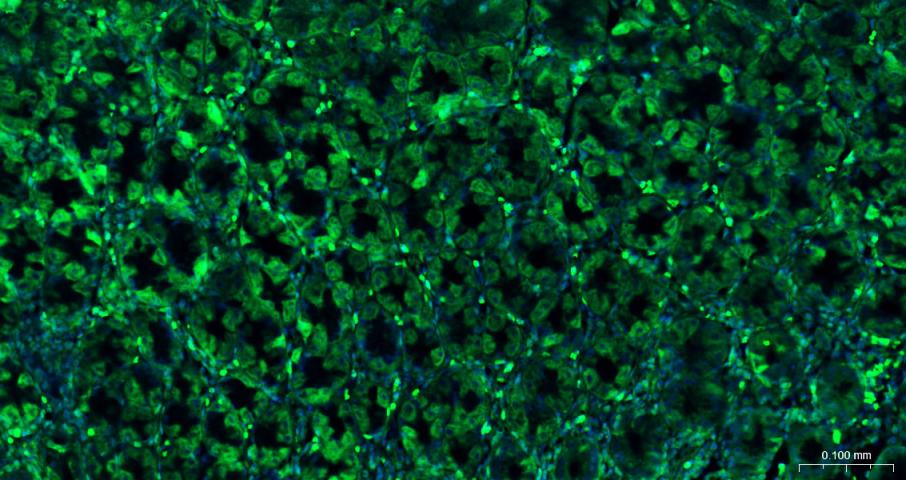
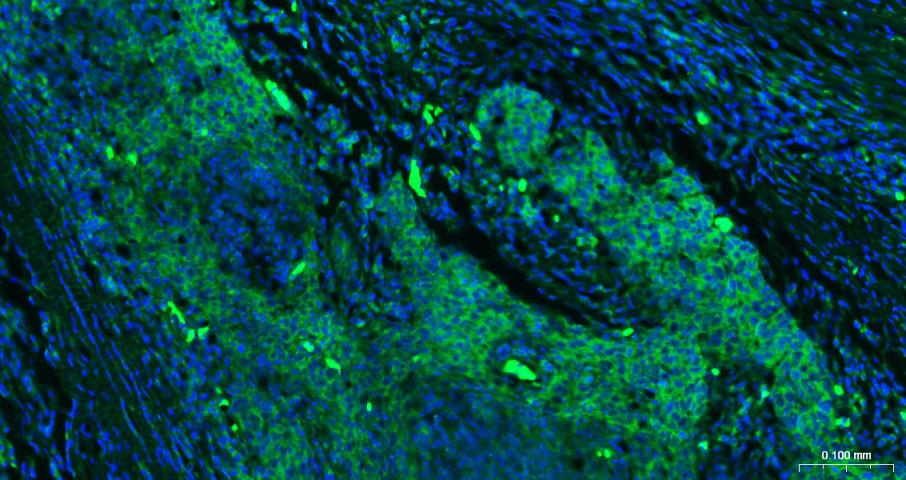
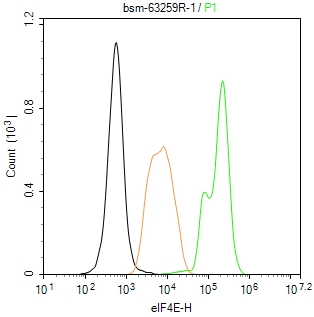
产品应用
| 应用 | 已检合格种属 | 预测种属 | 推荐稀释比例 |
|---|---|---|---|
| WB | Human, Mouse, Rat | 1:500-2000 | |
| IHC-P | Human, Mouse, Rat | 1:50-200 | |
| IHC-F | Human, Mouse, Rat | 1:50-200 | |
| IF | Human, Mouse, Rat | 1:50-200 | |
| Flow-Cyt | Human | Mouse, Rat | 1:50-100 |
| IP | Human, Mouse, Rat | 1:20-50 |
交叉反应
交叉反应: Human, Mouse, Rat
相关产品
暂无相关产品
同靶标产品
相关文献
提示: 发表研究结果有使用 bsm-63259R 时请让我们知道,以便我们可以引用参考文章。作为回馈,资料提供者将获得我们送上的小礼品。