phospho-mTOR(S2448) Recombinant Rabbit mAb (一抗) - WB,IHC-P,IHC-F,IF | Bioss
Rrmab?兔单抗
货号:bsm-63190R
产品详情
相关标记
相关产品
相关文献
常见问题
概述
产品编号
bsm-63190R
产品类型
磷酸化抗体、重组兔单抗、农牧业/家禽抗体
英文名称
phospho-mTOR(S2448) Recombinant Rabbit mAb
中文名称
磷酸化雷帕霉素靶蛋白重组兔单抗
英文别名
FRAP; FRAP1; FRAP2; RAFT1; RAPT1; SKS; 2610315D21Rik; flat; MTOR_HUMAN; MTOR; FK506-binding protein 12-rapamycin complex-associated protein 1; FKBP12-rapamycin complex-associated protein; Mammalian target of rapamycin (mTOR); Mechanistic target of rapamycin; Rapamycin and FKBP12 target 1; Rapamycin target protein 1; Tyrosine-protein kinase mTOR; 2.7.11.1; MTOR_MOUSE; Rapamycin target protein 1 (RAPT1); MTOR_RAT; mechanistic target of rapamycin kinase; FK506 binding protein 12-rapamycin associated protein 1; mechanistic target of rapamycin (serine/threonine kinase); FK506 binding protein 12-rapamycin associated protein 2; rapamycin target protein; FKBP12-rapamycin complex-associated protein 1; FKBP-rapamycin associated protein; rapamycin associated protein FRAP2; dJ576K7.1 (FK506 binding protein 12-rapamycin associated protein 1); mammalian target of rapamycin; mTOR (phospho-S2448); p-mTOR; phospho-mTOR; mTOR (phospho-Ser2448)
抗体来源
Rabbit
免疫原
A synthesized peptide derived from human mTOR around the phosphorylation site of S2448: TD-pS-YS
亚型
IgG
性状
Liquid
纯化方法
affinity purified by Protein A
克隆类型
Recombinant
克隆号
7F5
理论分子量
289 kDa
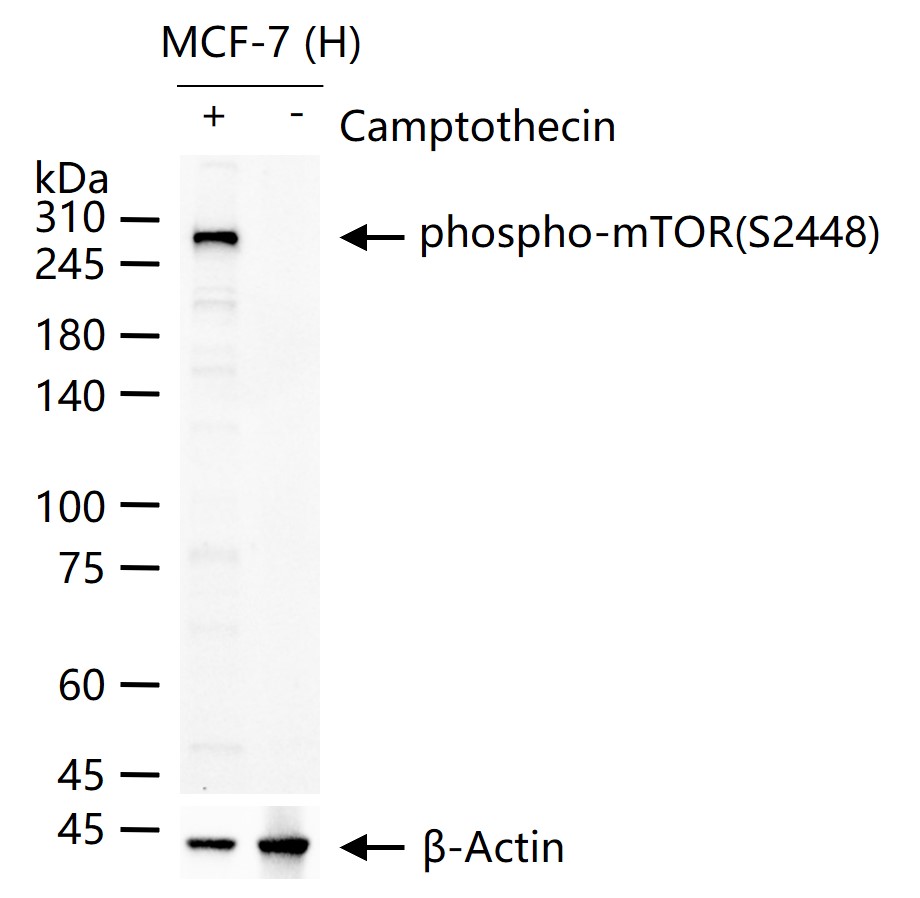
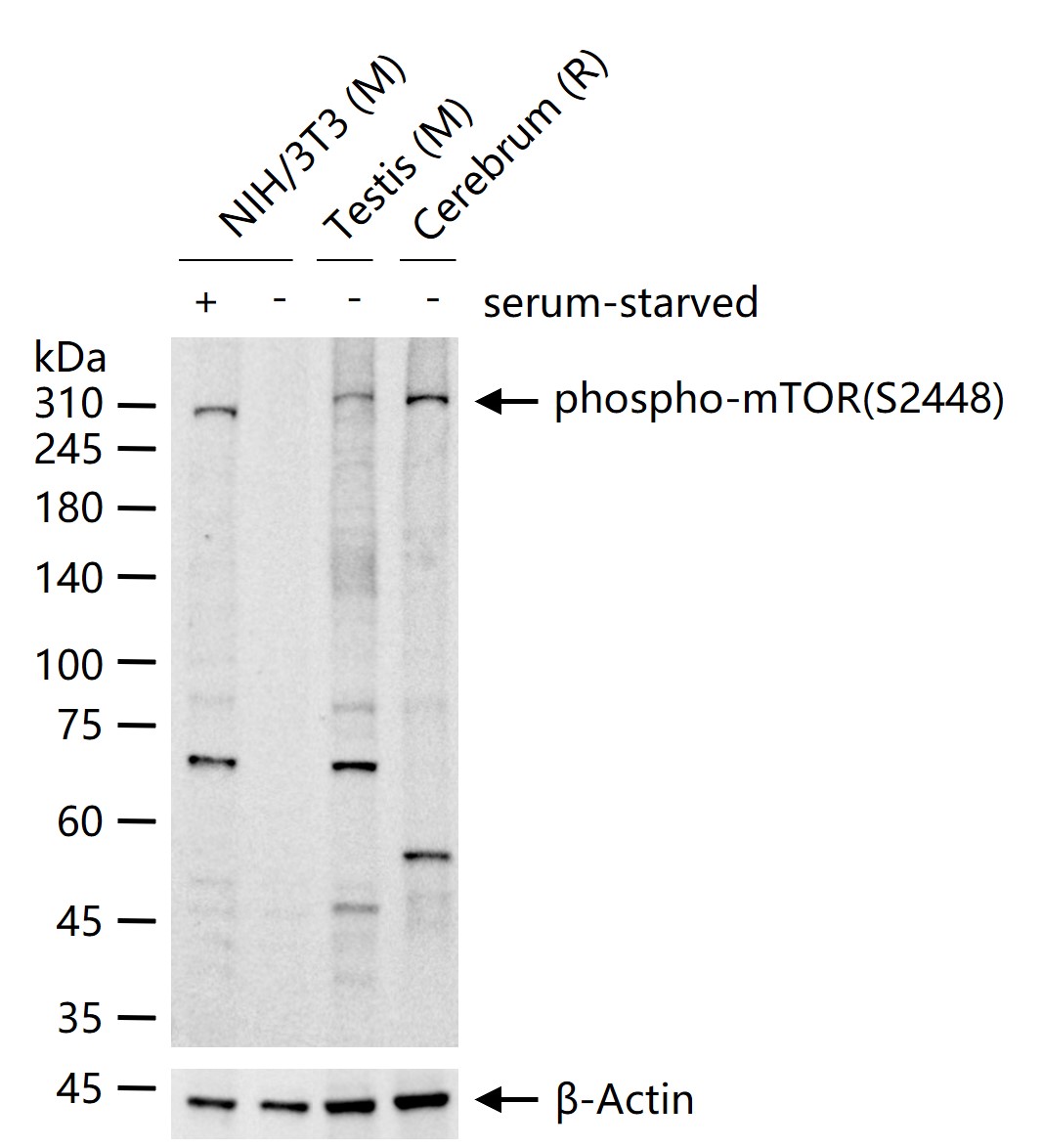
检测分子量
300 kDa
储存液
10mM phosphate buffered saline(pH 7.4) with 150mM sodium chloride, 0.05% BSA, 0.02% Proclin300 and 50% glycerol.
研究领域
Cancer > Cell cycle > Cell cycle inhibitors
Cardiovascular > Heart > Cardiogenesis > Transcription factors/regulators
Cell Biology > Cell Cycle > Cell Cycle Inhibitors
Epigenetics and Nuclear Signaling > DNA / RNA > DNA Damage & Repair > DNA Damage Response > DNA Damage Recognition
Kits/ Lysates/ Other > Kits > ELISA Kits > ELISA Kits > Growth factors and hormones ELISA kits
SWISS
Gene ID
保存条件
Store at 4℃ for short term. Store at -20℃ for long term. Avoid repeated freeze/thaw cycles.
注意事项
This product as supplied is intended for research use only, not for use in human, therapeutic or diagnostic applications.
数据库链接
产品介绍
mTOR蛋白是一种丝氨酸/苏氨酸蛋白激酶(Ser/Thr),是调节细胞生长和增殖的重要信号转导分子,在细胞的生长、分化、增殖、迁移和存活上扮演了重要的角色。由于mTOR信号通路在细胞周期进程中发挥了重要作用,细胞周期进程调节异常与许多疾病尤其是癌症的发生、发展有关,mTOR信号通路的失调可引起多种肿瘤的发生。
背景资料
Serine/threonine protein kinase which is a central regulator of cellular metabolism, growth and survival in response to hormones, growth factors, nutrients, energy and stress signals.MTOR directly or indirectly regulates the phosphorylation of at least 800 proteins.Functions as part of 2 structurally and functionally distinct signaling complexes mTORC1 and mTORC2 (mTOR complex 1 and 2).In response to nutrients, growth factors or amino acids, mTORC1 is recruited to the lysosome membrane and promotes protein, lipid and nucleotide synthesis by phosphorylating key regulators of mRNA translation and ribosome synthesis .
基因名
MTOR
蛋白名
Serine/threonine-protein kinase mTOR
亚基
Part of the mammalian target of rapamycin complex 1 (mTORC1) which contains MTOR, MLST8, RPTOR, AKT1S1/PRAS40 and DEPTOR. Part of the mammalian target of rapamycin complex 2 (mTORC2) which contains MTOR, MLST8, PRR5, RICTOR, MAPKAP1 and DEPTOR. Interacts with PPAPDC3 and PML (By similarity). Interacts with PRR5 and RICTOR; the interaction is direct within the mTORC2 complex (By similarity). Interacts with UBQLN1 (By similarity). Interacts with TTI1 and TELO2 (By similarity). Interacts with CLIP1; phosphorylates and regulates CLIP1 (By similarity).
亚细胞定位
Endoplasmic reticulum membrane; Peripheral membrane protein; Cytoplasmic side. Golgi apparatus membrane; Peripheral membrane protein; Cytoplasmic side. Mitochondrion outer membrane; Peripheral membrane protein; Cytoplasmic side. Lysosome. Cytoplasm (By similarity). Nucleus, PML body (By similarity). Note=Shuttles between cytoplasm and nucleus. Accumulates in the nucleus in response to hypoxia (By similarity). Targeting to lysosomes depends on amino acid availability and RRAGA and RRAGB.
组织特异性
Expressed in numerous tissues, with highest levels in testis.
翻译后修饰
Phosphorylated. Autophosphorylates when part of mTORC1 or mTORC2. Phosphorylation at Ser-1261 promotes autophosphorylation.
相似性
Belongs to the PI3/PI4-kinase family.
Contains 1 FAT domain.
Contains 1 FATC domain.
Contains 7 HEAT repeats.
Contains 1 PI3K/PI4K domain.
Contains 1 FAT domain.
Contains 1 FATC domain.
Contains 7 HEAT repeats.
Contains 1 PI3K/PI4K domain.
功能
Serine/threonine protein kinase which is a central regulator of cellular metabolism, growth and survival in response to hormones, growth factors, nutrients, energy and stress signals. Functions as part of 2 structurally and functionally distinct signaling complexes mTORC1 and mTORC2 (mTOR complex 1 and 2). Activated mTORC1 up-regulates protein synthesis by phosphorylating key regulators of mRNA translation and ribosome synthesis. This includes phosphorylation of EIF4EBP1 and release of its inhibition toward the elongation initiation factor 4E (eiF4E). Moreover, phosphorylates and activates RPS6KB1 and RPS6KB2 that promote protein synthesis by modulating the activity of their downstream targets including ribosomal protein S6, eukaryotic translation initiation factor EIF4B and the inhibitor of translation initiation PDCD4. Regulates ribosome synthesis by activating RNA polymerase III-dependent transcription through phosphorylation and inhibition of MAF1 a RNA polymerase III-repressor. In parallel to protein synthesis, also regulates lipid synthesis through SREBF1/SREBP1 and LPIN1. To maintain energy homeostasis mTORC1 may also regulate mitochondrial biogenesis through regulation of PPARGC1A. mTORC1 also negatively regulates autophagy through phosphorylation of ULK1. Under nutrient sufficiency, phosphorylates ULK1 at 'Ser-758', disrupting the interaction with AMPK and preventing activation of ULK1. Also prevents autophagy through phosphorylation of the autophagy inhibitor DAP. mTORC1 exerts a feedback control on upstream growth factor signaling that includes phosphorylation and activation of GRB10 a INSR-dependent signaling suppressor. Among other potential targets mTORC1 may phosphorylate CLIP1 and regulate microtubules. As part of the mTORC2 complex MTOR may regulate other cellular processes including survival and organization of the cytoskeleton. Plays a critical role in the phosphorylation at 'Ser-473' of AKT1, a pro-survival effector of phosphoinositide 3-kinase, facilitating its activation by PDK1. mTORC2 may regulate the actin cytoskeleton, through phosphorylation of PRKCA, PXN and activation of the Rho-type guanine nucleotide exchange factors RHOA and RAC1A or RAC1B. mTORC2 also regulates the phosphorylation of SGK1 at 'Ser-422'.
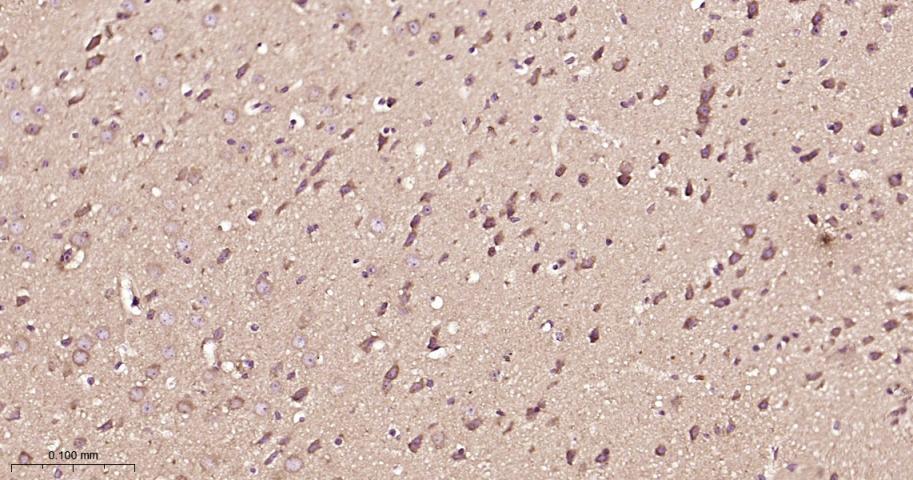
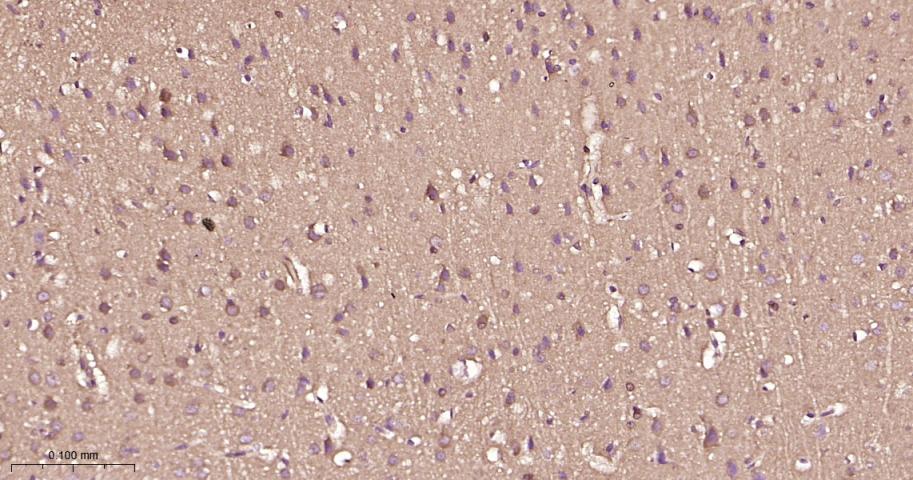
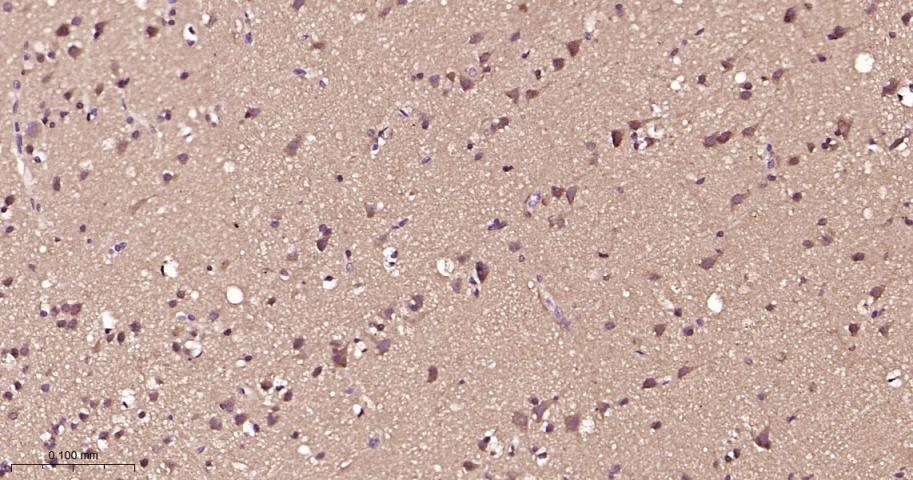
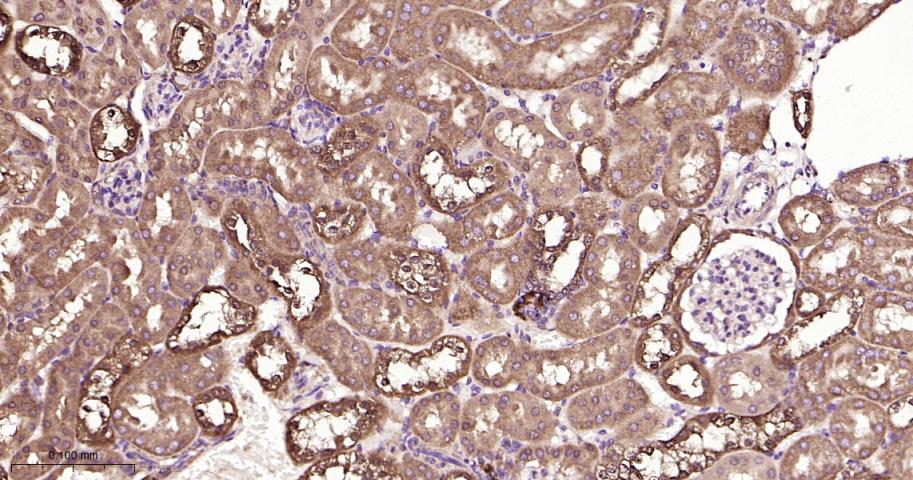
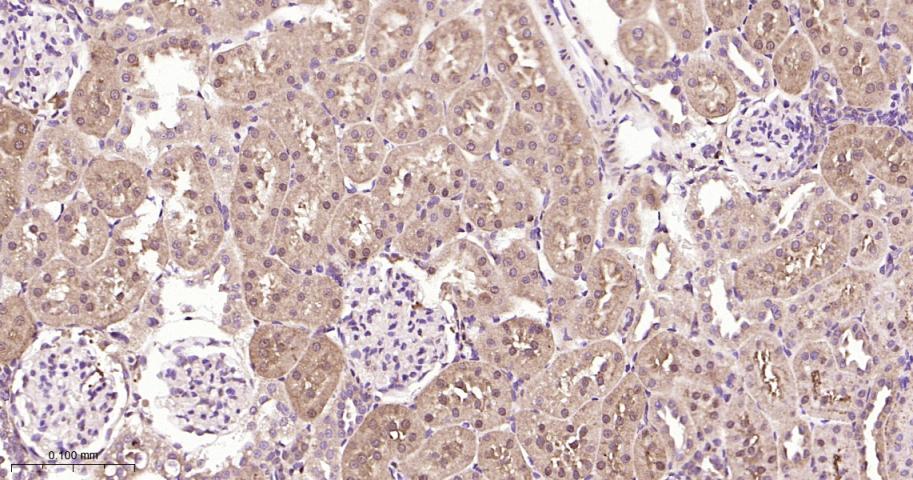
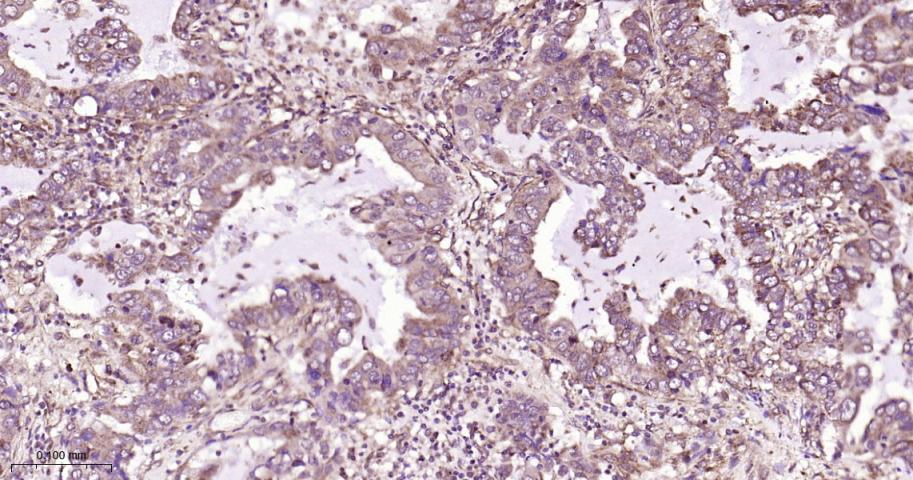
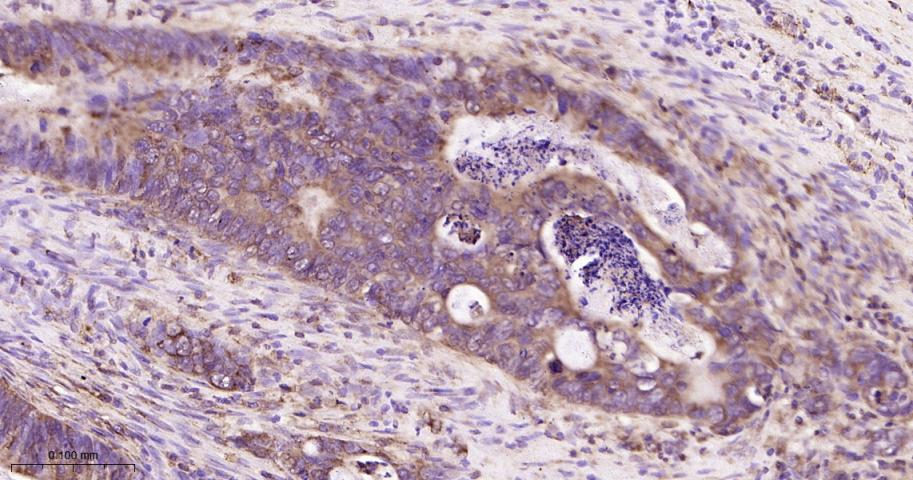
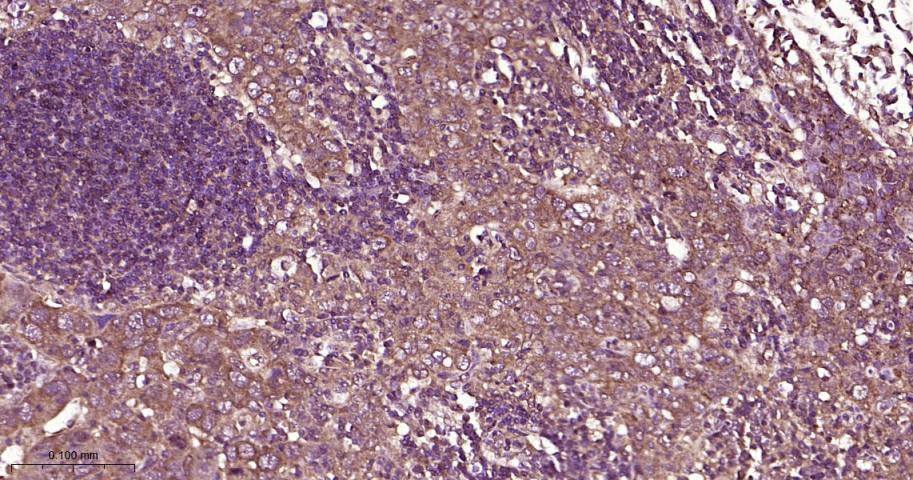
产品应用
| 应用 | 已检合格种属 | 预测种属 | 推荐稀释比例 |
|---|---|---|---|
| WB | Human, Mouse, Rat | Pig | 1:500-2000 |
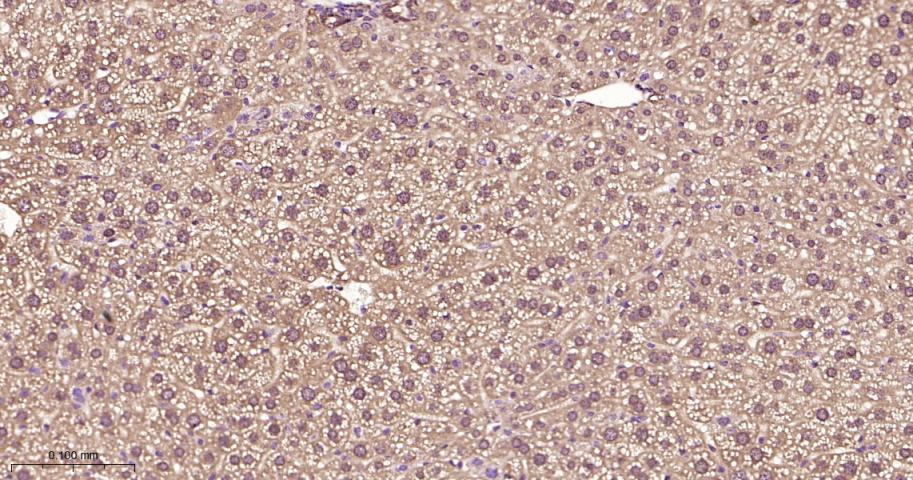
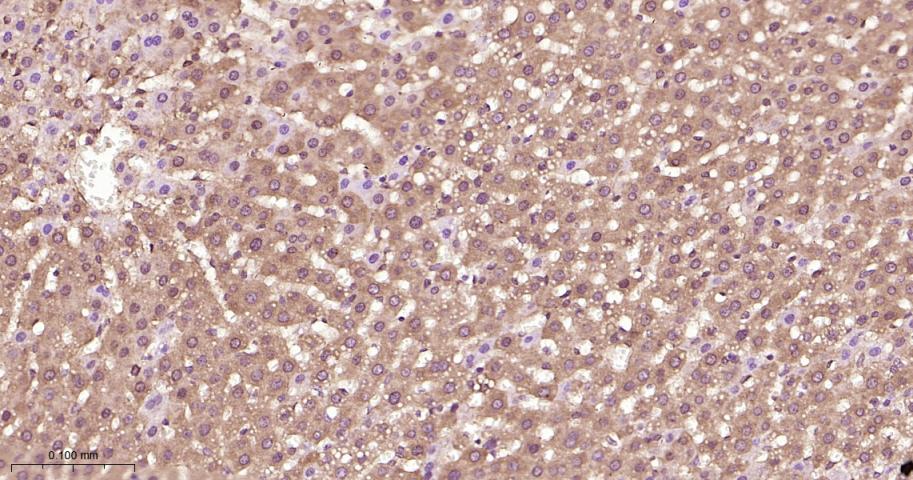
| IHC-P | Human, Mouse, Rat | Pig | 1:50-200 |
| IHC-F | Human, Mouse, Rat | Pig | 1:50-200 |
| IF | Human, Mouse, Rat | Pig | 1:50-200 |
交叉反应
交叉反应: Human, Mouse, Rat (predicted: Pig)
相关产品
暂无相关产品
同靶标产品
相关文献
提示: 发表研究结果有使用 bsm-63190R 时请让我们知道,以便我们可以引用参考文章。作为回馈,资料提供者将获得我们送上的小礼品。
具体参考文献:bsm-63190R 被引用于1文献中