RAGE Recombinant Rabbit mAb (一抗) - WB,IHC-P,IHC-F,IF | Bioss
Rrmab?兔单抗
货号:bsm-52809R
产品详情
相关标记
相关产品
相关文献
常见问题
概述
产品编号
bsm-52809R
产品类型
重组兔单抗、mIHC精品抗体
英文名称
RAGE Recombinant Rabbit mAb
中文名称
RAGE重组兔单抗
英文别名
RAGE; SCARJ1; sRAGE; RAGE_HUMAN; AGER; Receptor for advanced glycosylation end products; RAGE_MOUSE; RAGE_RAT; advanced glycosylation end-product specific receptor; receptor for advanced glycation end-products
抗体来源
Rabbit
免疫原
KLH conjugated synthetic peptide derived from mouse RAGE
亚型
IgG
性状
Liquid
纯化方法
affinity purified by Protein A
克隆类型
Recombinant
克隆号
8G4
理论分子量
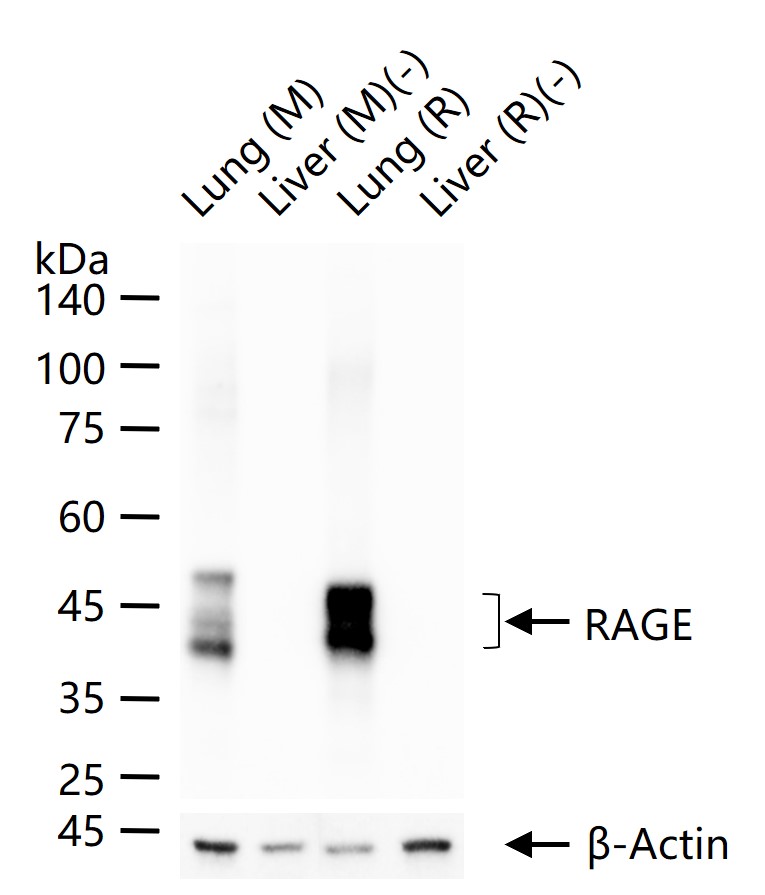
42 kDa
检测分子量
40-45 kDa
浓度
1mg/ml
储存液
0.01M TBS (pH7.4) with 1% BSA, 0.02% Proclin300 and 50% Glycerol.
研究领域
Cardiovascular > Atherosclerosis > Diabetes associated
Cardiovascular > Atherosclerosis > Vascular Inflammation > Inflammatory mediators
Neuroscience > Neurology process > Neurodegenerative disease > Alzheimer's disease
Neuroscience > Neurology process > Neurodegenerative disease > Alzheimer's disease > Amyloid
SWISS
Gene ID
保存条件
Shipped at 4℃. Store at -20℃ for one year. Avoid repeated freeze/thaw cycles.
注意事项
This product as supplied is intended for research use only, not for use in human, therapeutic or diagnostic applications.
数据库链接
产品介绍
晚期糖基化终末产物受体(AGER)与其配体AGEs形成的AGEs-AGER 系统在糖尿病血管病变的发生、发展过程中起着重要作用.
年龄及晚期糖基化终末产物(AGEs)等多种因素均能调节AGER基因的表达. 糖尿病患者体内晚期糖基化终末产物受体(AGER)的高表达加速了病人血管病变的发展过程,并增加了病变的复杂性.阻断AGER通路可缓解糖尿病血管的病变过程。
因此,AGER可以作为治疗糖尿病血管病变的药物靶点,并为临床治疗糖尿病血管病变提供了新的思路.
年龄及晚期糖基化终末产物(AGEs)等多种因素均能调节AGER基因的表达. 糖尿病患者体内晚期糖基化终末产物受体(AGER)的高表达加速了病人血管病变的发展过程,并增加了病变的复杂性.阻断AGER通路可缓解糖尿病血管的病变过程。
因此,AGER可以作为治疗糖尿病血管病变的药物靶点,并为临床治疗糖尿病血管病变提供了新的思路.
背景资料
Advanced glycosylation end product-specific receptor (AGER; RAGE) is a member of the immunoglobulin superfamily of cell surface molecules that binds molecules that have been irreversibly modified by non-enzymatic glycation and oxidation, and are know as advanced glycation end products (AGEs). It is expressed by endothelium, mononuclear phagocytes, neurons and smooth muscle cells. Whereas RAGE is present at high levels during development, especially in the central nervous system, its levels decline during maturity.The increased expression of RAGE is associated with several pathological states, such as diabetic vasculopathy, neuropathy, retinopathy and other disorders, including Alzheimer's disease and immune/inflammatory reactions of the vessel walls. In diabetic tissues, the production of RAGE is due to the overproduction of AGEs that eventually overwhelm the protective properties of RAGE. This results in oxidative stress and endothelial cell dysfunction that leads to vascular disease in diabetics. In the brain, RAGE also binds amyloid beta (Ab). Because Ab is overproduced in neurons and vessels in the brains of Alzheimer disease, this leads to the hyperstimulation of RAGE. The RAGE-Ab interaction is thought to result in oxidative stress leading to neuronal degeneration.
基因名
Ager
蛋白名
Advanced glycosylation end product-specific receptor
亚基
Interacts with S100B, S100A1 and APP. Interacts with S100A12.
亚细胞定位
Isoform 1: Cell membrane; Single-pass type I membrane protein.
Isoform 2: Secreted.
Isoform 2: Secreted.
组织特异性
Endothelial cells and cardiomyocytes.
相似性
Contains 2 Ig-like C2-type (immunoglobulin-like) domains.
Contains 1 Ig-like V-type (immunoglobulin-like) domain.
Contains 1 Ig-like V-type (immunoglobulin-like) domain.
功能
Mediates interactions of advanced glycosylation end products (AGE). These are nonenzymatically glycosylated proteins which accumulate in vascular tissue in aging and at an accelerated rate in diabetes. Acts as a mediator of both acute and chronic vascular inflammation in conditions such as atherosclerosis and in particular as a complication of diabetes. AGE/RAGE signaling plays an important role in regulating the production/expression of TNF-alpha, oxidative stress, and endothelial dysfunction in type 2 diabetes. Interaction with S100A12 on endothelium, mononuclear phagocytes, and lymphocytes triggers cellular activation, with generation of key proinflammatory mediators. Receptor for amyloid beta peptide. Contributes to the translocation of amyloid-beta peptide (ABPP) across the cell membrane from the extracellular to the intracellular space in cortical neurons. ABPP-initiated RAGE signaling, especially stimulation of p38 mitogen-activated protein kinase (MAPK), has the capacity to drive a transport system delivering ABPP as a complex with RAGE to the intraneuronal space. Interaction with S100B after myocardial infarction may play a role in myocyte apoptosis by activating ERK1/2 and p53/TP53 signaling.
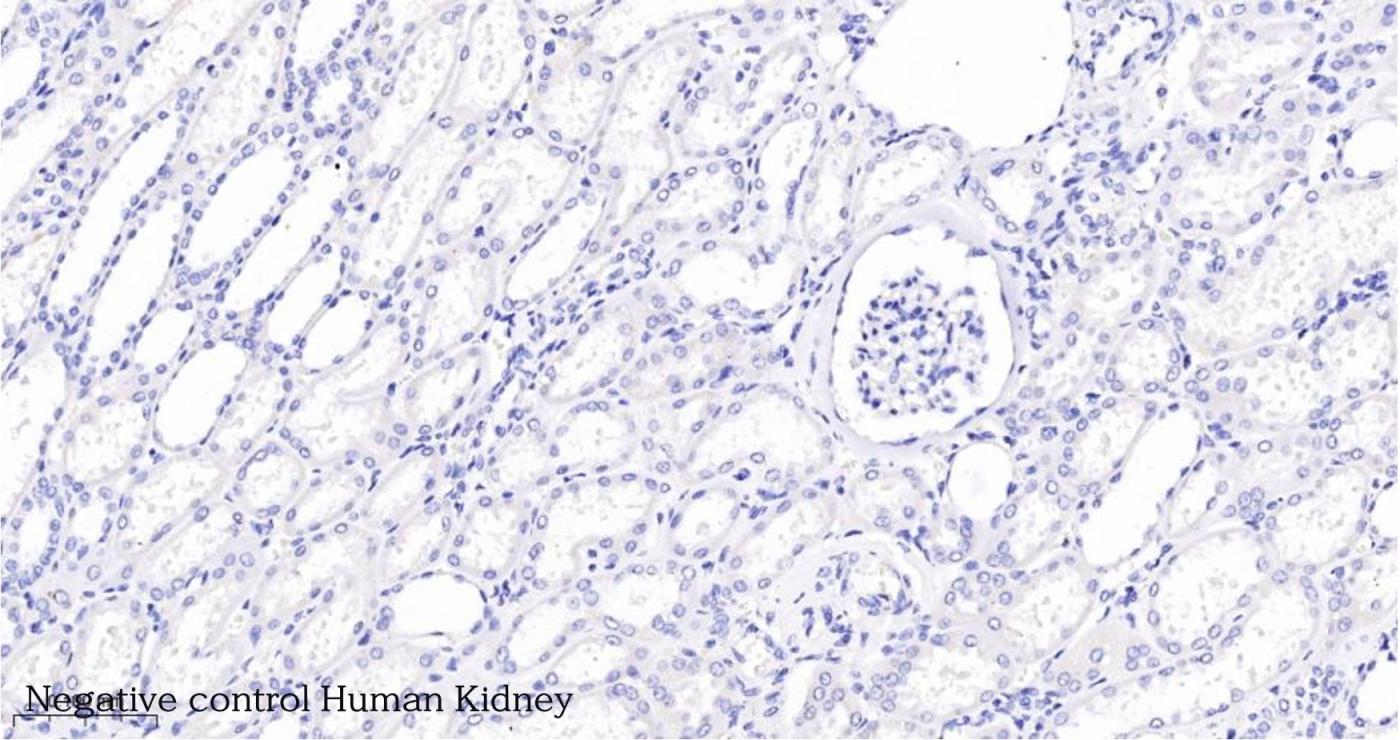
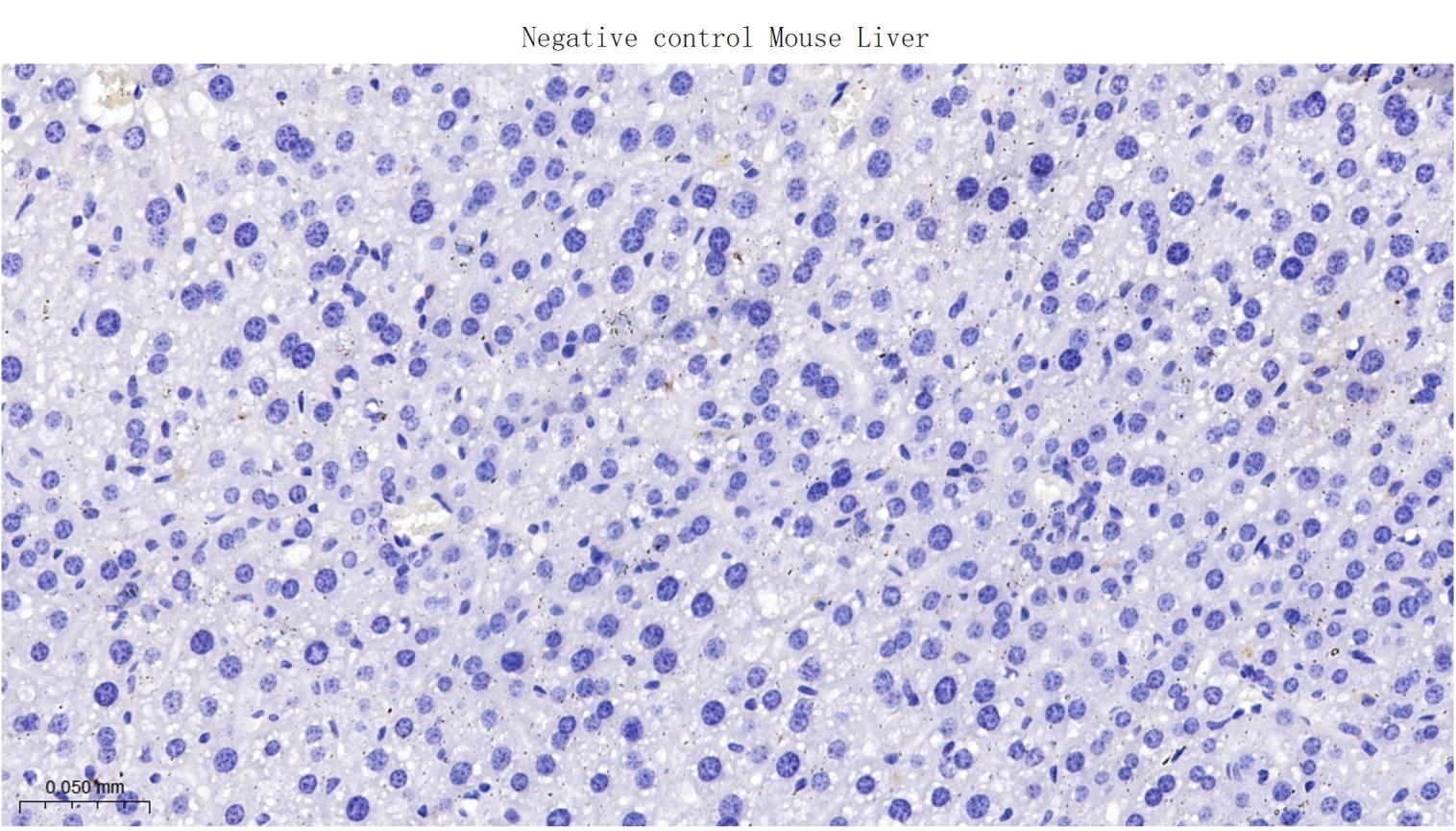
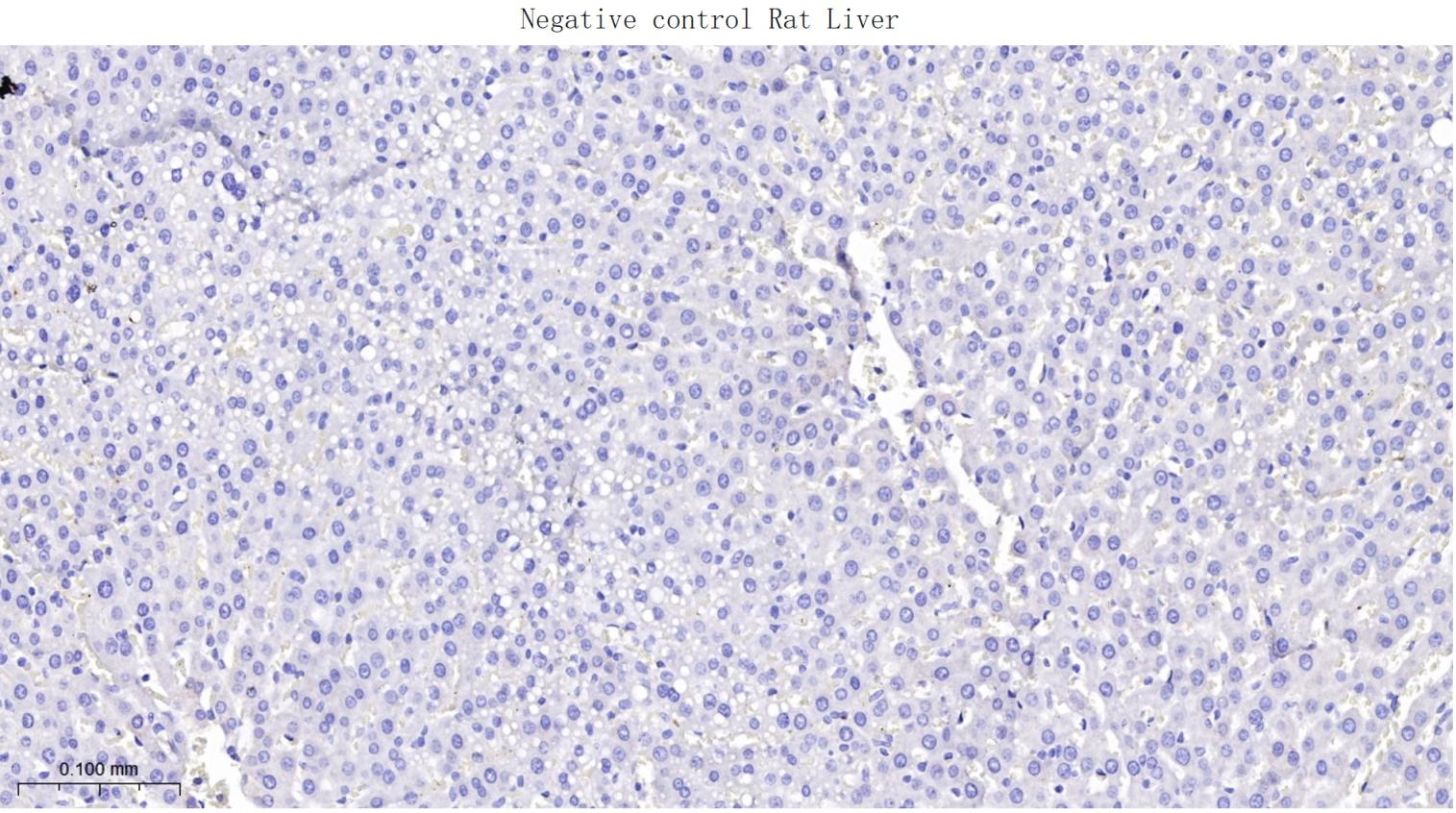
产品应用
| 应用 | 已检合格种属 | 预测种属 | 推荐稀释比例 |
|---|---|---|---|
| WB | Mouse, Rat | Human | 1:1000-2000 |
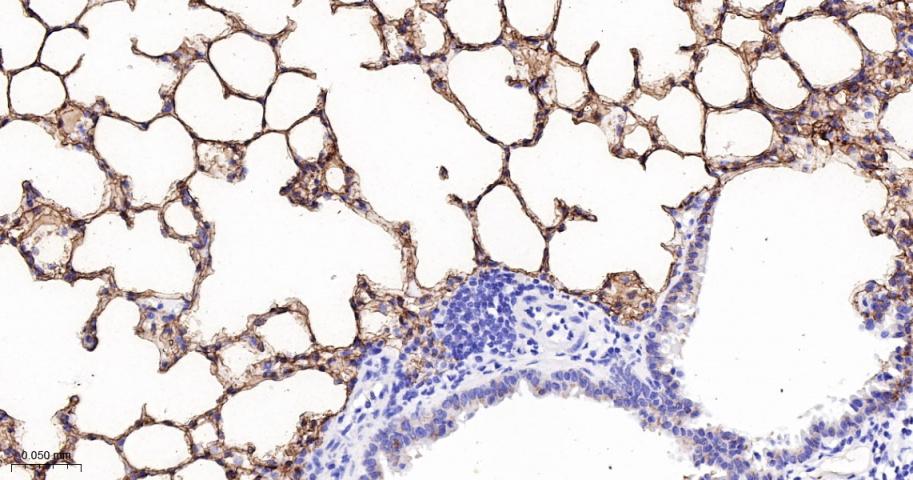
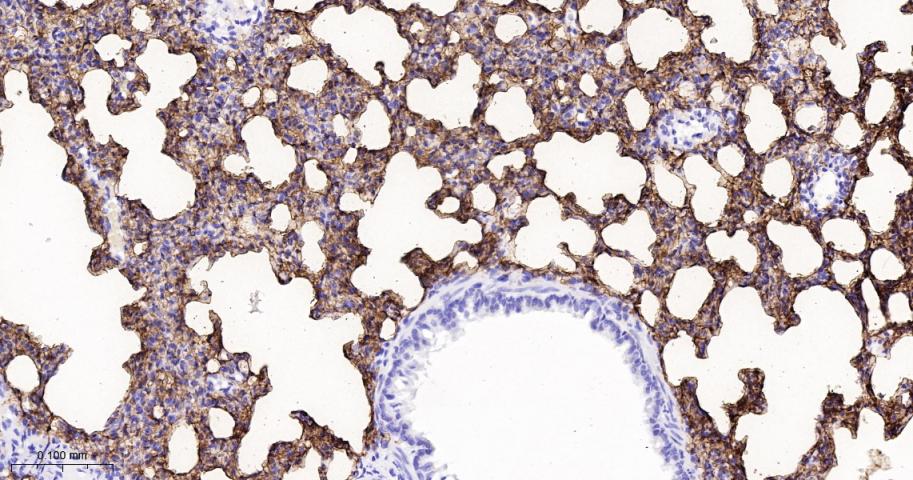
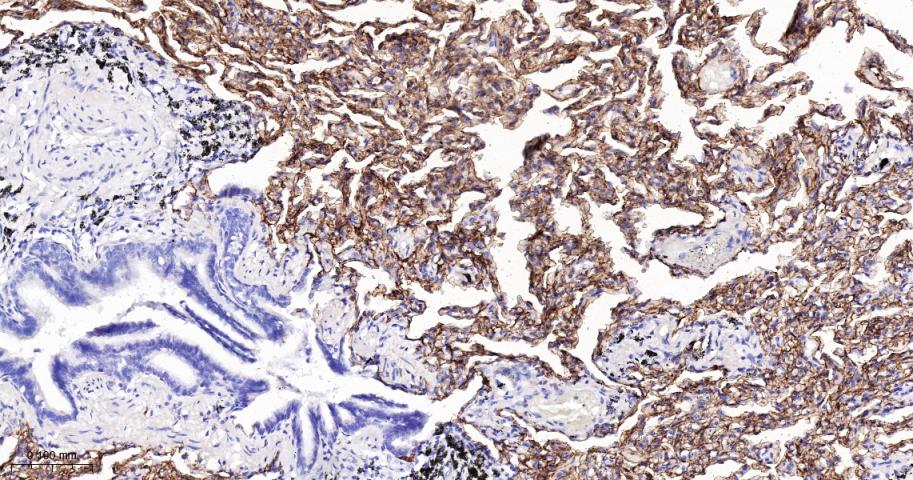
| IHC-P | Human, Mouse, Rat | 1:200-1000 | |
| IHC-F | Human, Mouse, Rat | 1:200-1000 | |
| IF | Human, Mouse, Rat | 1:200-1000 |
交叉反应
交叉反应: Human, Mouse, Rat
相关产品
暂无相关产品
同靶标产品
相关文献
提示: 发表研究结果有使用 bsm-52809R 时请让我们知道,以便我们可以引用参考文章。作为回馈,资料提供者将获得我们送上的小礼品。
具体参考文献:bsm-52809R 被引用于3文献中