MHC class I Recombinant Rabbit mAb (一抗) - WB,IHC-P,IHC-F,IF | Bioss
Rrmab?兔单抗
货号:bsm-52827R
产品详情
相关标记
相关产品
相关文献
常见问题
概述
产品编号
bsm-52827R
产品类型
重组兔单抗、病理级抗体
英文名称
MHC class I Recombinant Rabbit mAb
中文名称
组织相容性复合体蛋白1重组兔单抗
英文别名
HLAA; HLAA_HUMAN; HLA-A; Human leukocyte antigen A (HLA-A); major histocompatibility complex, class I, A
抗体来源
Rabbit
免疫原
KLH conjugated synthetic peptide derived from human MHC class I
亚型
IgG
性状
Liquid
纯化方法
affinity purified by Protein A
克隆类型
Recombinant
克隆号
10G4
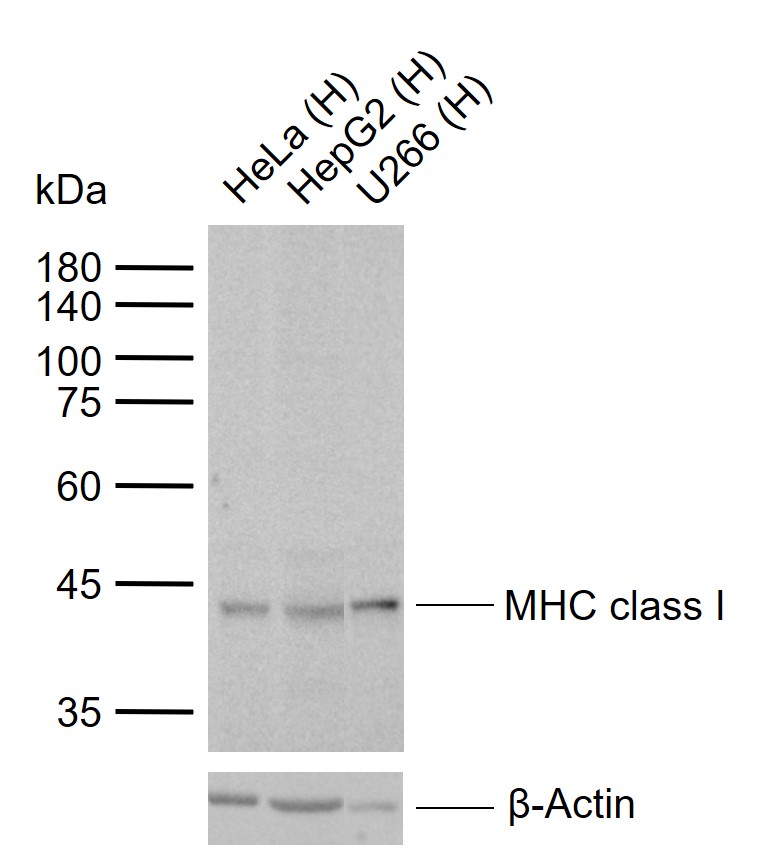
理论分子量
40 kDa
检测分子量
42 kDa
浓度
1mg/ml
储存液
0.01M TBS (pH7.4) with 1% BSA, 0.02% Proclin300 and 50% Glycerol.
SWISS
Gene ID
保存条件
Shipped at 4℃. Store at -20℃ for one year. Avoid repeated freeze/thaw cycles.
注意事项
This product as supplied is intended for research use only, not for use in human, therapeutic or diagnostic applications.
背景资料
HLA-A belongs to the HLA class I heavy chain paralogues. This class I molecule is a heterodimer consisting of a heavy chain and a light chain (beta-2 microglobulin). The heavy chain is anchored in the membrane. Class I molecules play a central role in the immune system by presenting peptides derived from the endoplasmic reticulum lumen so that they can be recognized by cytotoxic T cells. They are expressed in nearly all cells. The heavy chain is approximately 45 kDa and its gene contains 8 exons. Exon 1 encodes the leader peptide, exons 2 and 3 encode the alpha1 and alpha2 domains, which both bind the peptide, exon 4 encodes the alpha3 domain, exon 5 encodes the transmembrane region, and exons 6 and 7 encode the cytoplasmic tail. Polymorphisms within exon 2 and exon 3 are responsible for the peptide binding specificity of each class one molecule. Typing for these polymorphisms is routinely done for bone marrow and kidney transplantation. More than 6000 HLA-A alleles have been described. The HLA system plays an important role in the occurrence and outcome of infectious diseases, including those caused by the malaria parasite, the human immunodeficiency virus (HIV), and the severe acute respiratory syndrome coronavirus (SARS-CoV). The structural spike and the nucleocapsid proteins of the novel coronavirus SARS-CoV-2, which causes coronavirus disease 2019 (COVID-19), are reported to contain multiple Class I epitopes with predicted HLA restrictions. Individual HLA genetic variation may help explain different immune responses to a virus across a population.[provided by RefSeq, Aug 2020]
基因名
HLA-A
蛋白名
HLA class I histocompatibility antigen, A alpha chain
亚基
Heterodimer of TAP1 and TAP2. Interacts with Epstein-Barr virus BNLF2a. Interacts with PSMB5 and PSMB8.
Subcellular Location : Endoplasmic reticulum membrane; Multi-pass membrane protein. Note=The transmembrane segments seem to form a pore in the membrane.
亚细胞定位
Cell Membrane; Type I membrane protein.
组织特异性
Ubiquitous.
翻译后修饰
Polyubiquitinated in a post ER compartment by interaction with human herpesvirus 8 MIR1 protein. This targets the protein for rapid degradation via the ubiquitin system (By similarity).
疾病
Defects in TAP1 are a cause of bare lymphocyte syndrome type 1 (BLS1) [MIM:604571]; also called HLA class I deficiency. BLS1 is a class I antigen deficiency that is not accompanied by particular pathologic manifestations during the first years of life. Systemic infections have not been described. Chronic bacterial infections, often beginning in the first decade of life, are restricted to the respiratory tract.
相似性
Belongs to the ABC transporter superfamily. ABCB family. MHC peptide exporter (TC 3.A.1.209) subfamily.
Contains 1 ABC transmembrane type-1 domain.
Contains 1 ABC transporter domain.
Contains 1 ABC transmembrane type-1 domain.
Contains 1 ABC transporter domain.
功能
Involved in the transport of antigens from the cytoplasm to the endoplasmic reticulum for association with MHC class I molecules. Also acts as a molecular scaffold for the final stage of MHC class I folding, namely the binding of peptide. Nascent MHC class I molecules associate with TAP via tapasin. Inhibited by the covalent attachment of herpes simplex virus ICP47 protein, which blocks the peptide-binding site of TAP. Inhibited by human cytomegalovirus US6 glycoprotein, which binds to the lumenal side of the TAP complex and inhibits peptide translocation by specifically blocking ATP-binding to TAP1 and prevents the conformational rearrangement of TAP induced by peptide binding. Inhibited by human adenovirus E3-19K glycoprotein, which binds the TAP complex and acts as a tapasin inhibitor, preventing MHC class I/TAP association. Expression of TAP1 is down-regulated by human Epstein-Barr virus vIL-10 protein, thereby affecting the transport of peptides into the endoplasmic reticulum and subsequent peptide loading by MHC class I molecules.
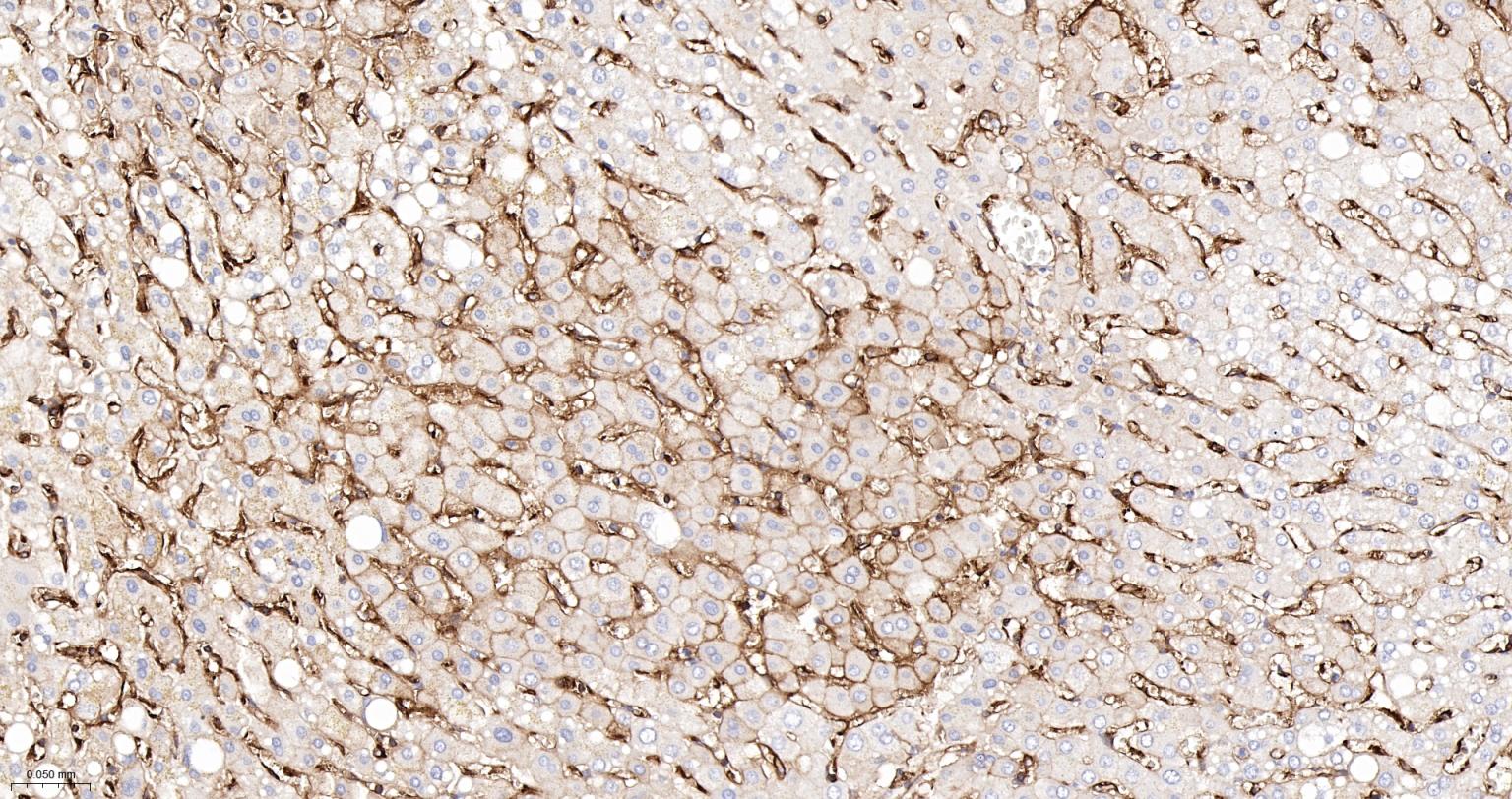
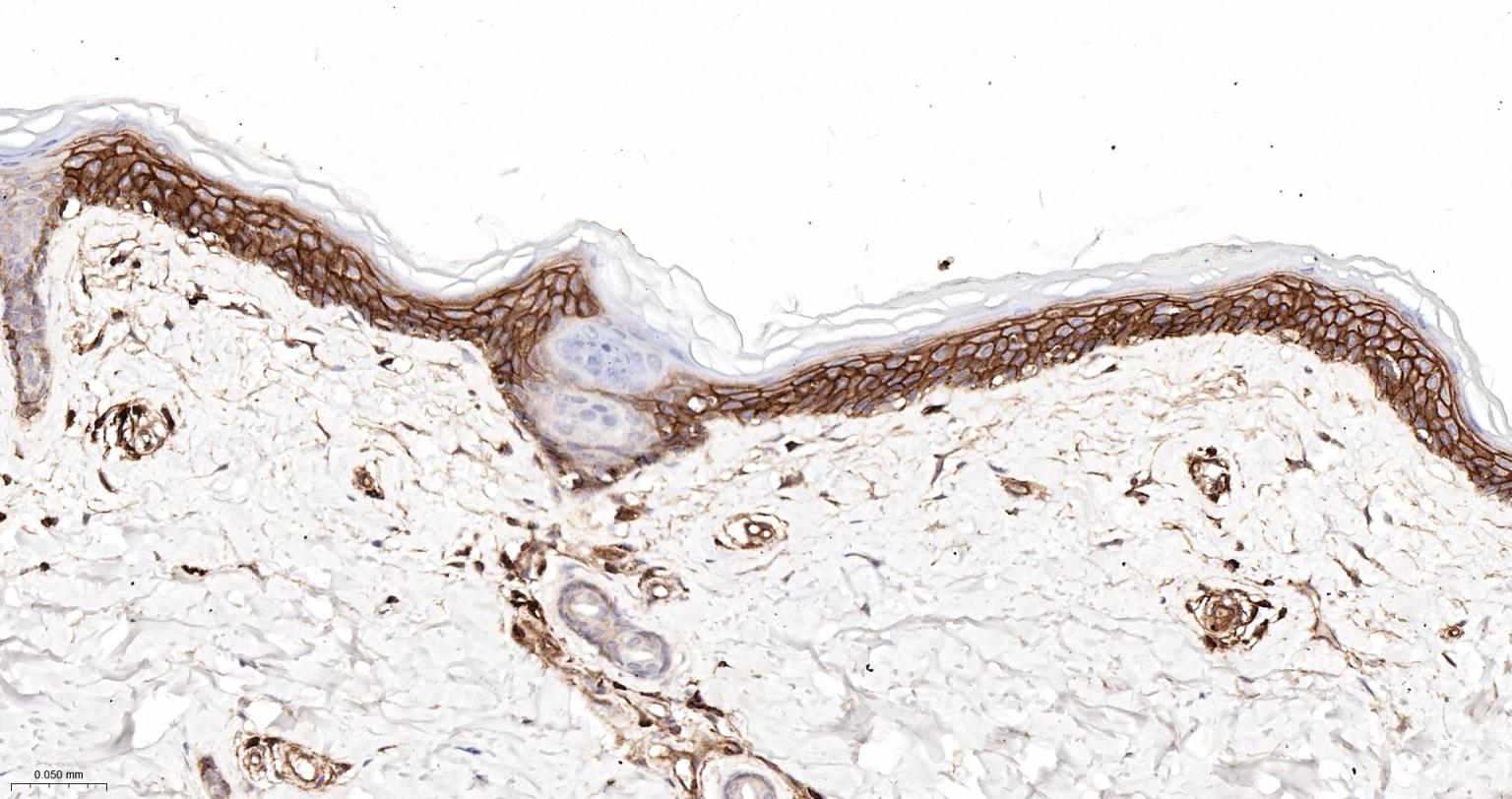
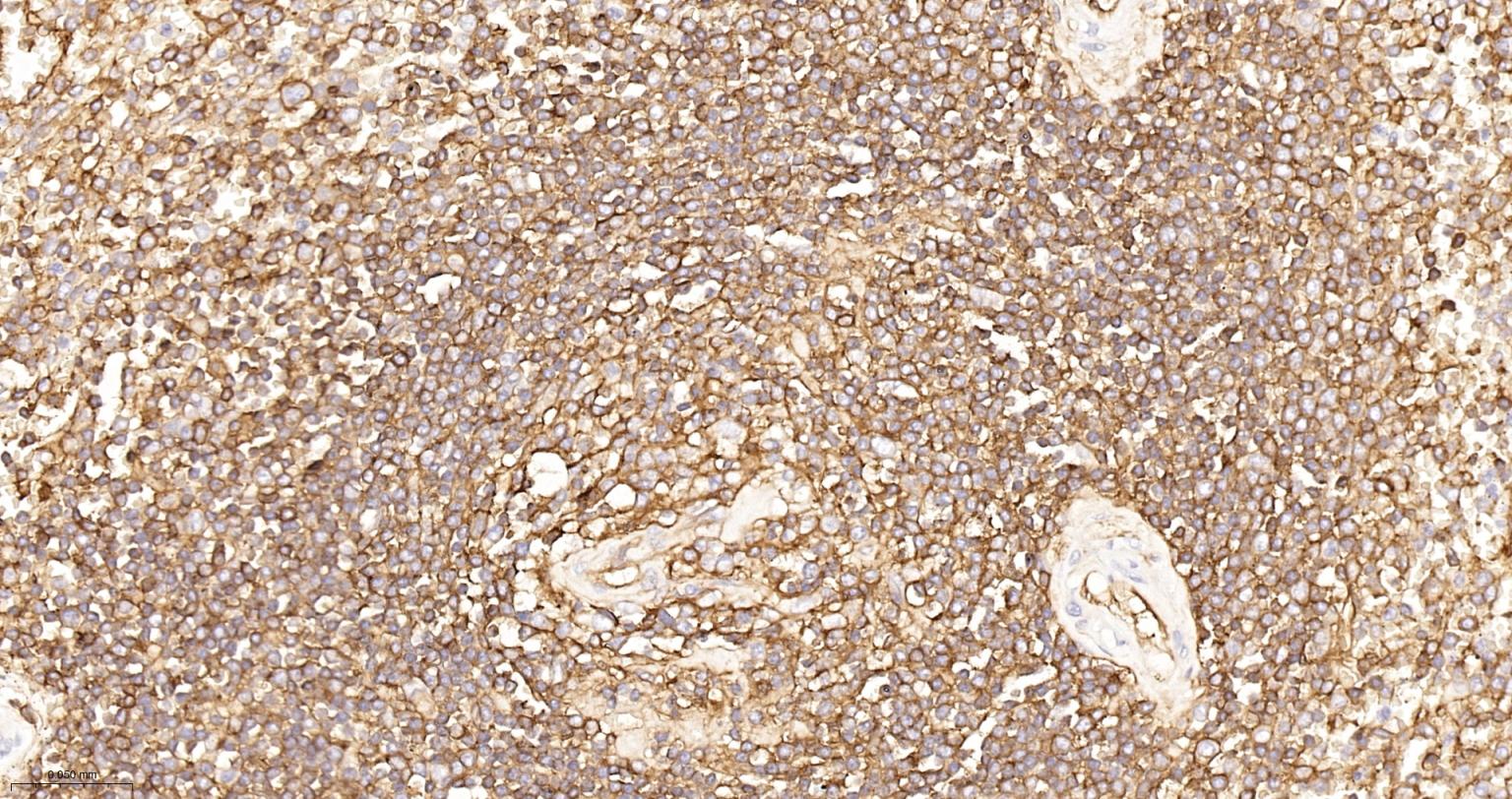
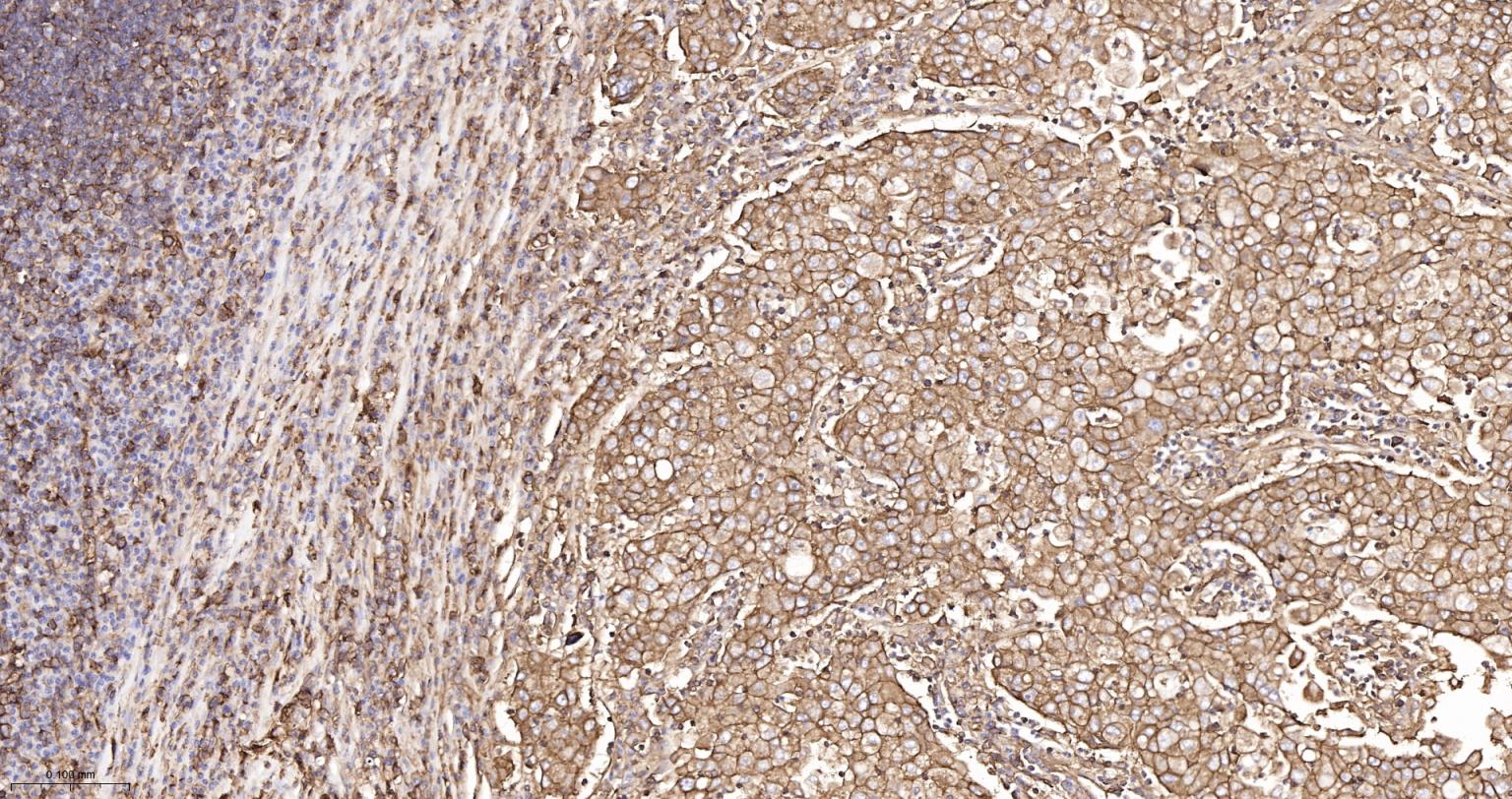
产品应用
| 应用 | 已检合格种属 | 预测种属 | 推荐稀释比例 |
|---|---|---|---|
| WB | Human | 1:500-2000 | |
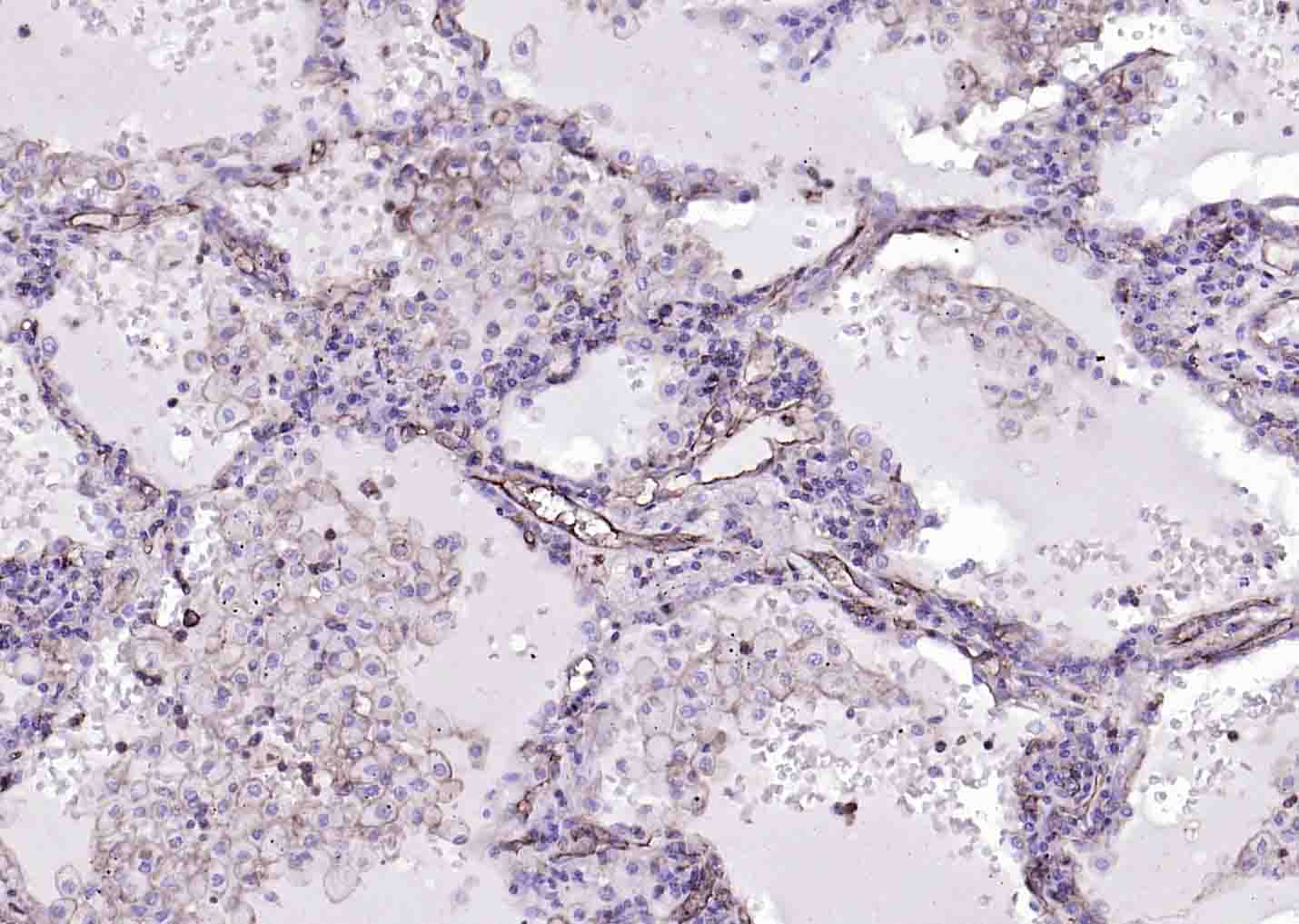
| IHC-P | Human | 1:100-500 | |
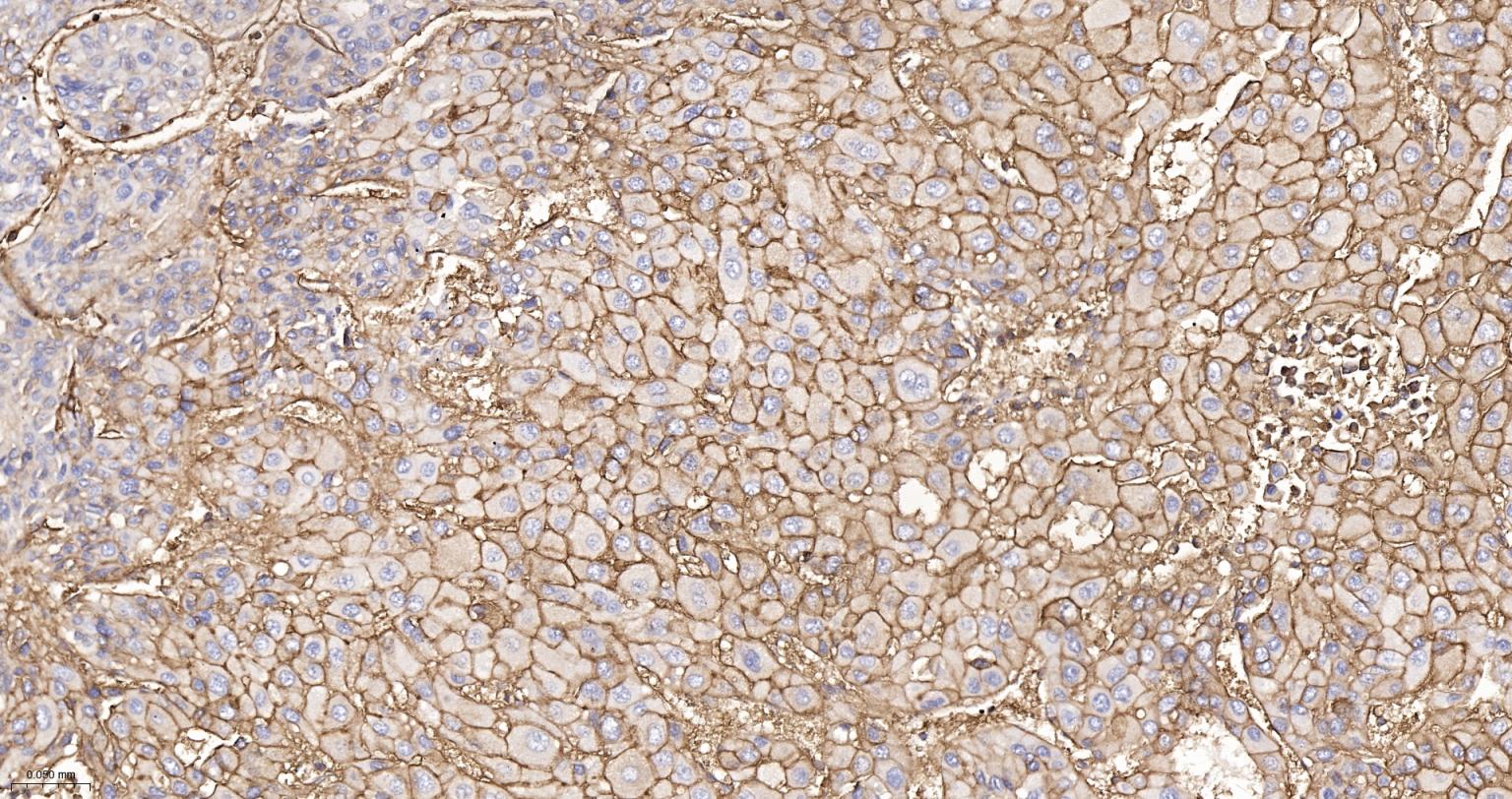
| IHC-F | Human | 1:100-500 | |
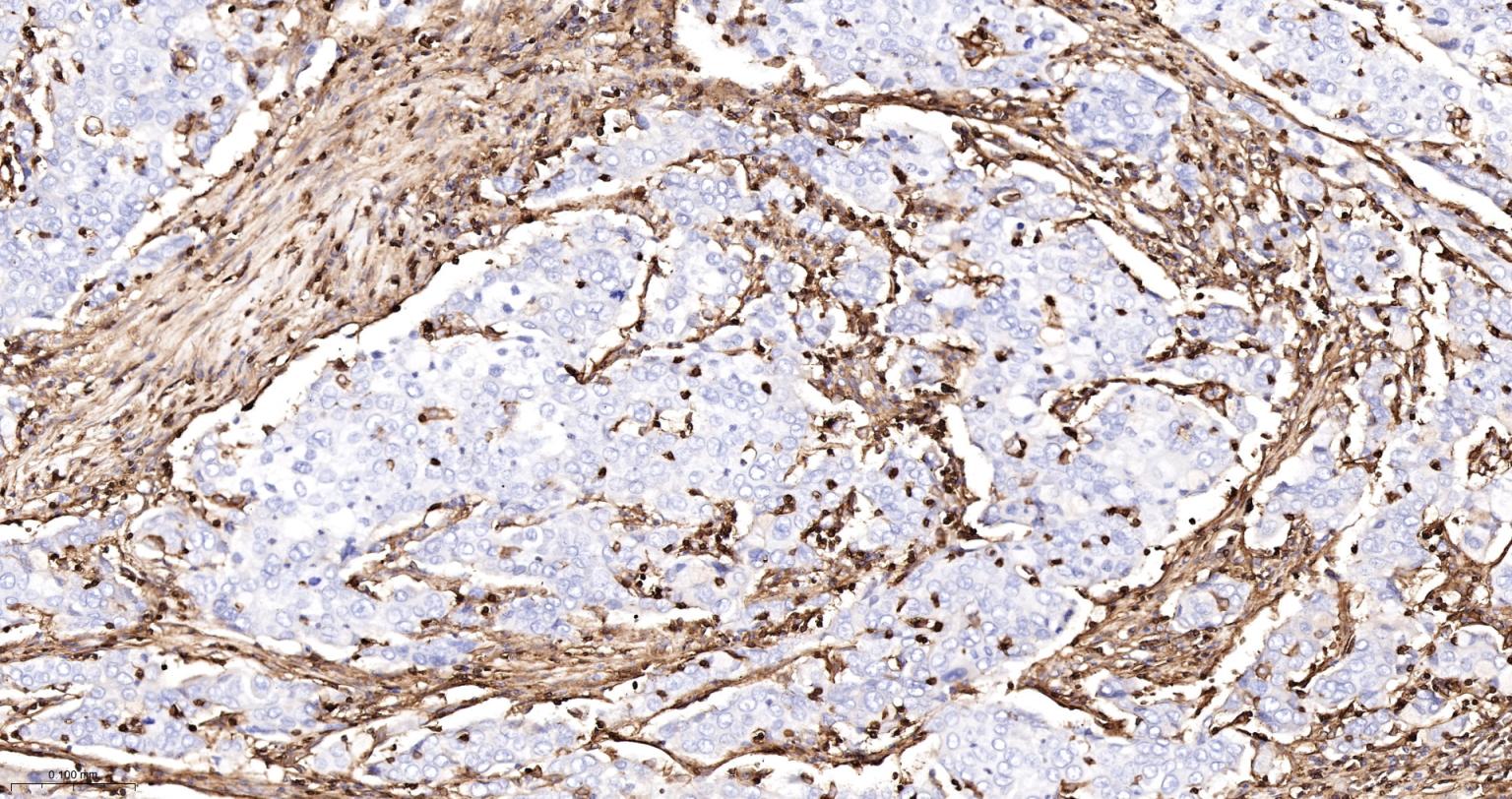
| IF | Human | 1:100-500 |
交叉反应
交叉反应: Human
相关产品
暂无相关产品
同靶标产品
相关文献
提示: 发表研究结果有使用 bsm-52827R 时请让我们知道,以便我们可以引用参考文章。作为回馈,资料提供者将获得我们送上的小礼品。