FMO3 Recombinant Rabbit mAb (一抗) - WB,IHC-P,IHC-F,IF,ICC/IF | Bioss
Rrmab?兔单抗
货号:bsm-62346R
产品详情
相关标记
相关产品
相关文献
常见问题
概述
产品编号
bsm-62346R
产品类型
重组兔单抗
英文名称
FMO3 Recombinant Rabbit mAb
中文名称
二甲基苯胺单加氧酶3重组兔单抗
英文别名
FMOII; TMAU; dJ127D3.1; FMO3_HUMAN; FMO3; Dimethylaniline monooxygenase [N-oxide-forming] 3; Dimethylaniline oxidase 3; FMO II; FMO form 2; Hepatic flavin-containing monooxygenase 3 (FMO 3); Trimethylamine monooxygenase; 1.14.13.148; 1.14.13.32; 1.14.13.8; FMO3_MOUSE; FMO3_RAT; flavin containing dimethylaniline monoxygenase 3; flavin containing monooxygenase 3
抗体来源
Rabbit
免疫原
A synthesized peptide derived from human FMO3: 300-363
亚型
IgG
性状
Liquid
纯化方法
affinity purified by Protein A
克隆类型
Recombinant
克隆号
4H9
理论分子量
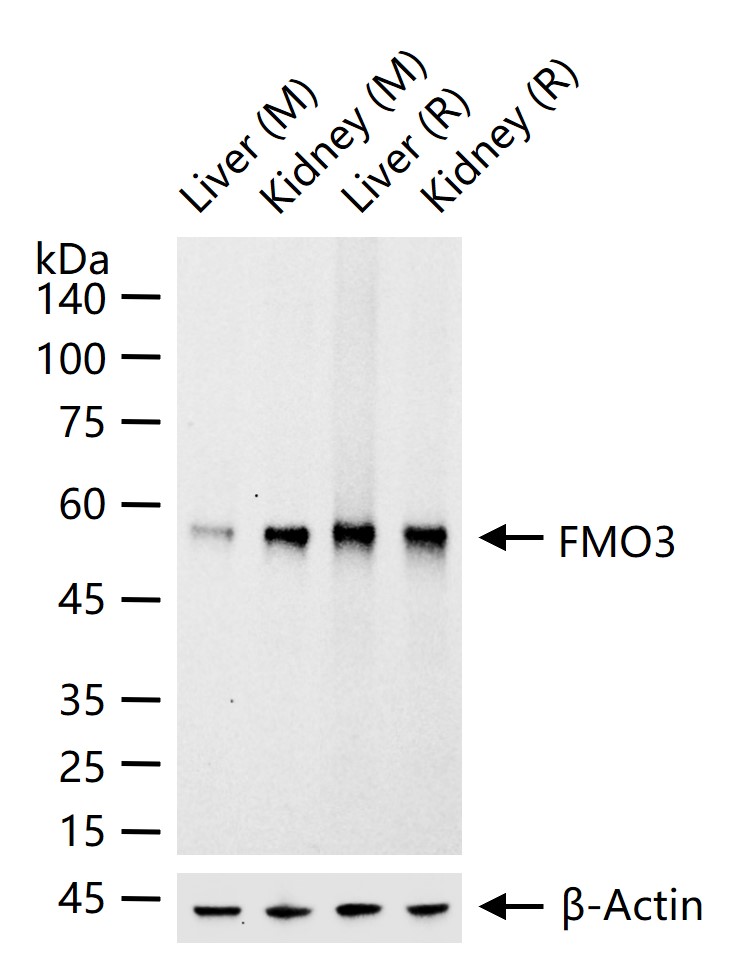
60 kDa
检测分子量
58 kDa
储存液
10mM phosphate buffered saline(pH 7.4) with 150mM sodium chloride, 0.05% BSA, 0.02% Proclin300 and 50% glycerol.
研究领域
SWISS
Gene ID
保存条件
Store at 4℃ for short term. Store at -20℃ for long term. Avoid repeated freeze/thaw cycles.
注意事项
This product as supplied is intended for research use only, not for use in human, therapeutic or diagnostic applications.
数据库链接
背景资料
Involved in the oxidative metabolism of a variety of xenobiotics such as drugs and pesticides. It N-oxygenates primary aliphatic alkylamines as well as secondary and tertiary amines.
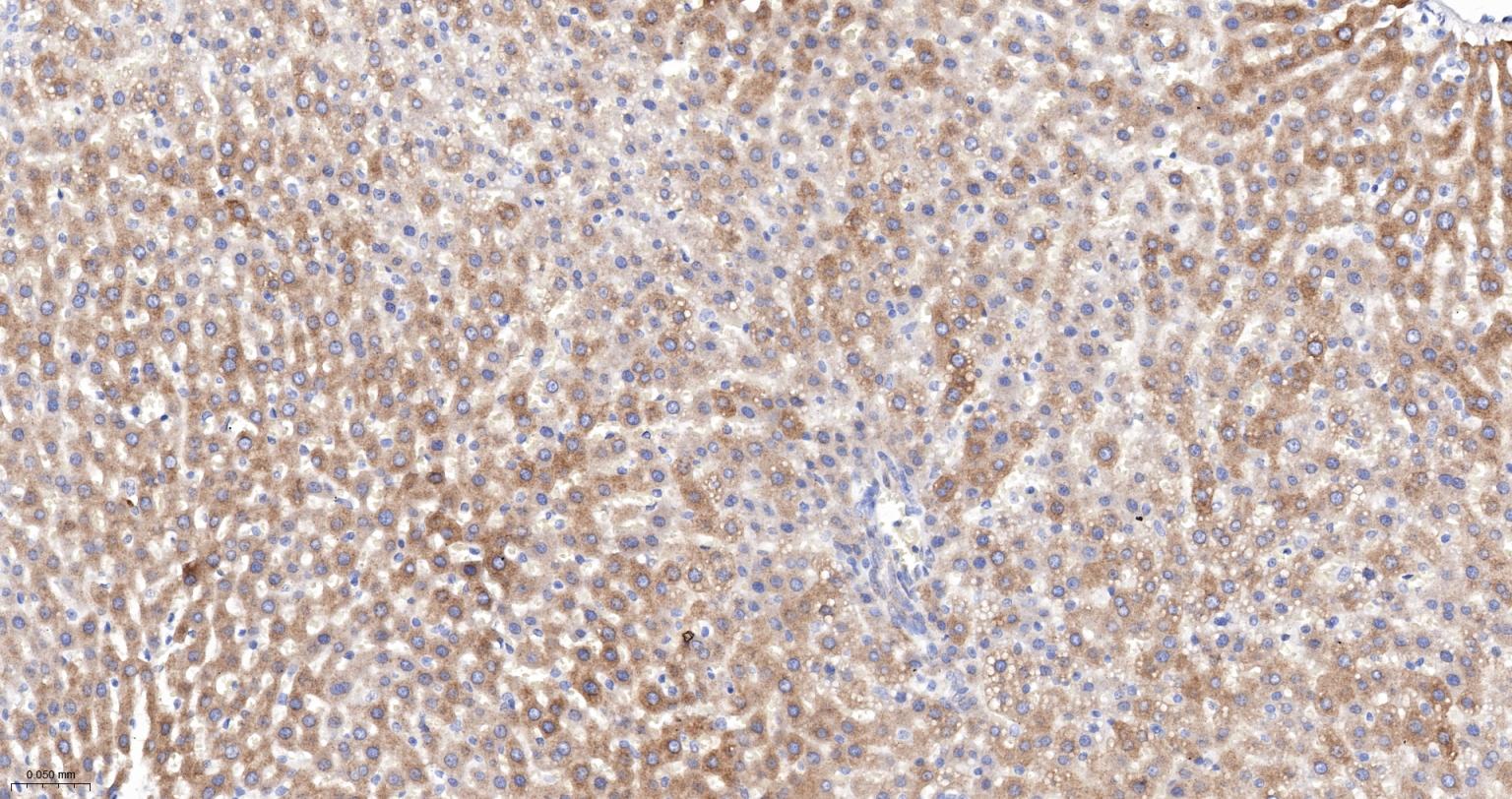
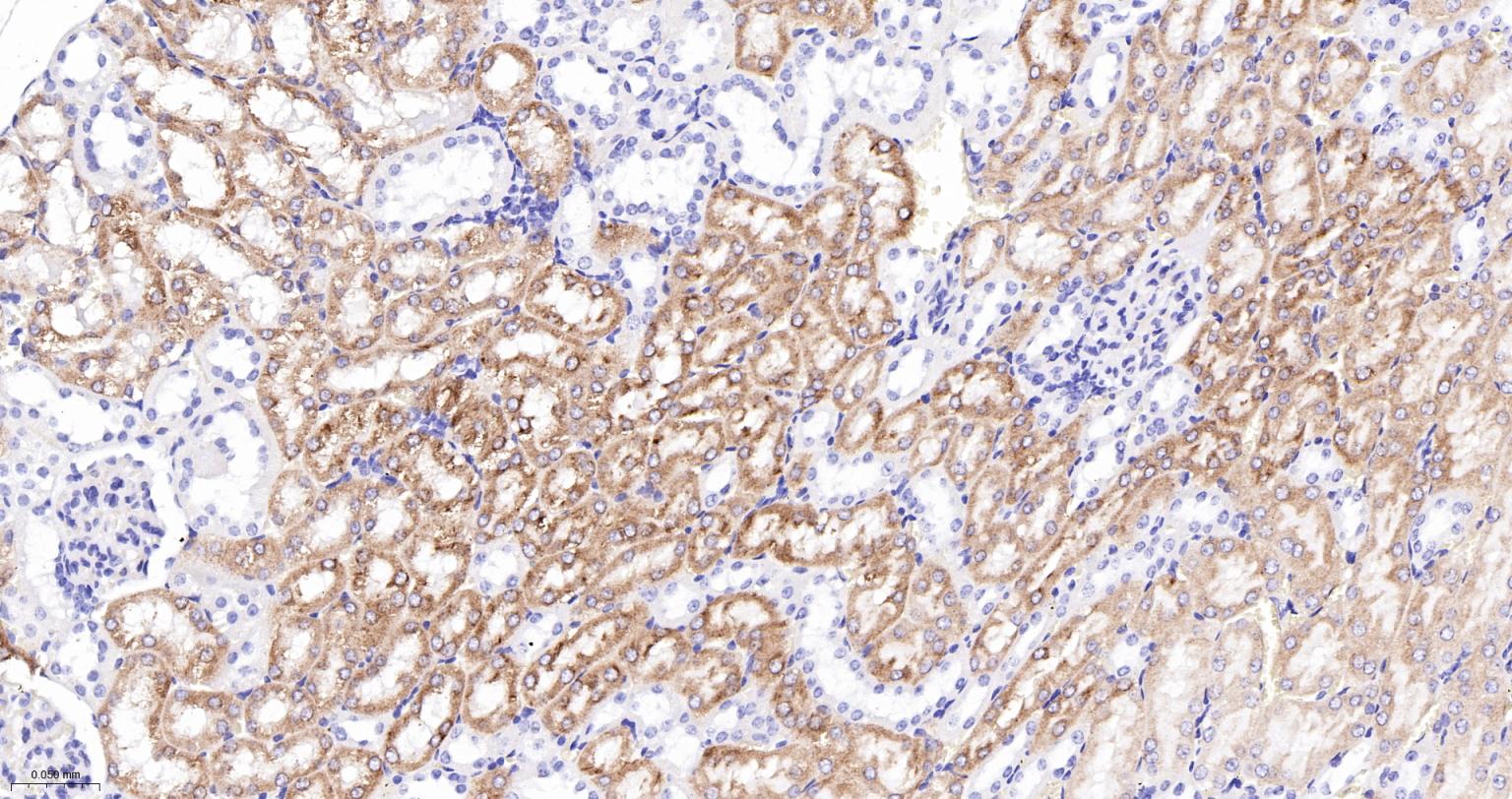
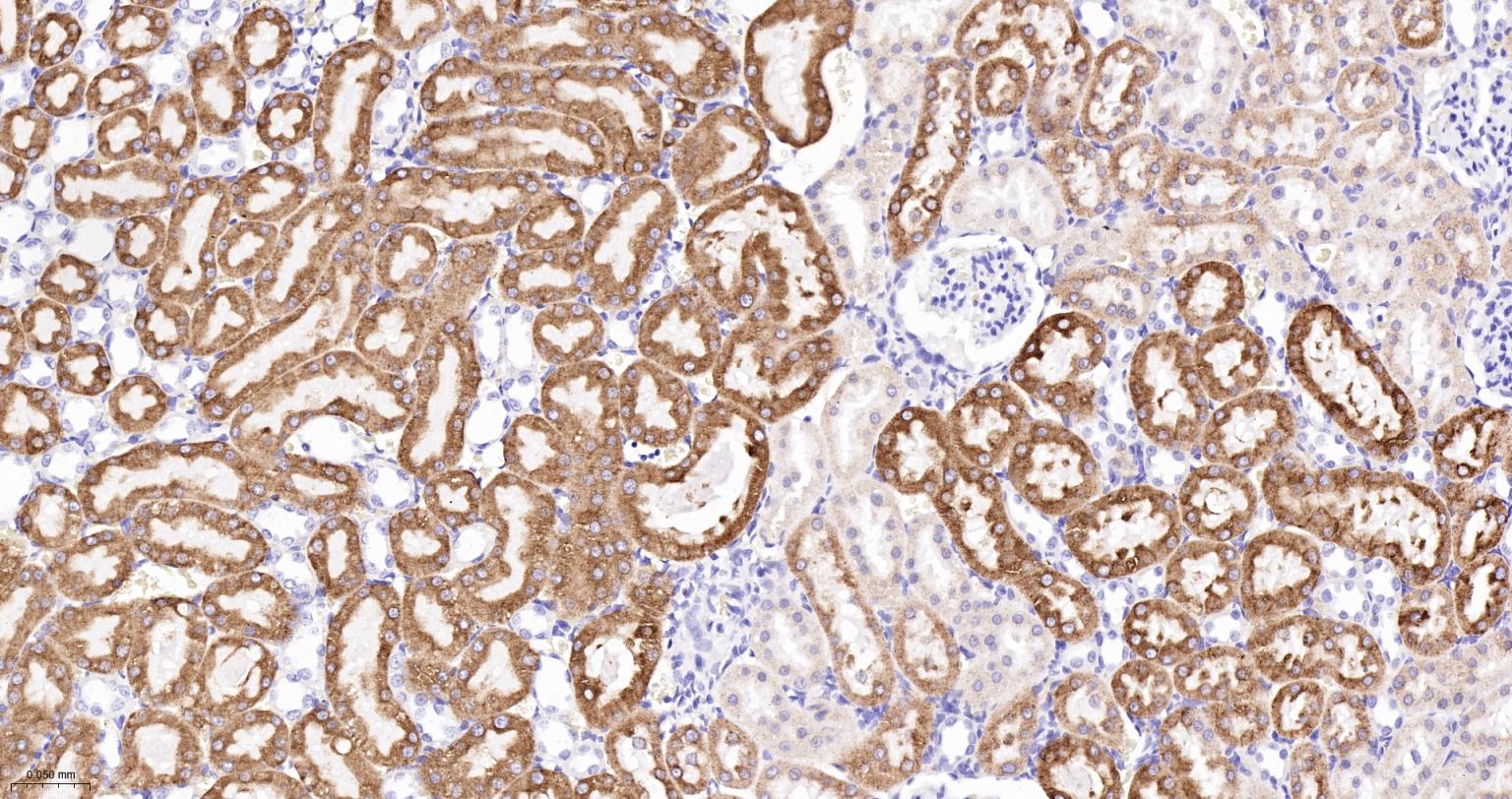
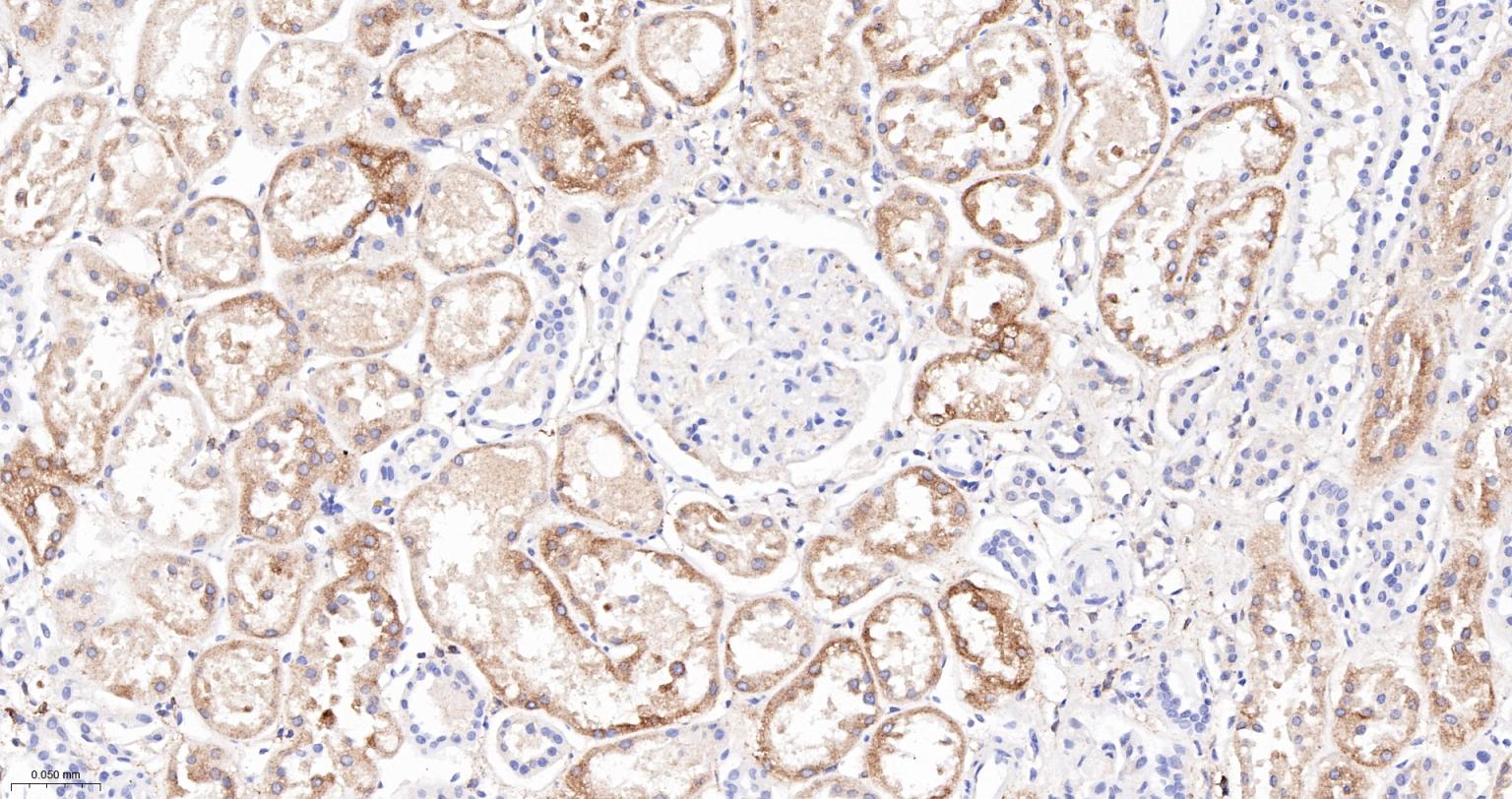
产品应用
| 应用 | 已检合格种属 | 预测种属 | 推荐稀释比例 |
|---|---|---|---|
| WB | Mouse, Rat | Human | 1:500-2000 |
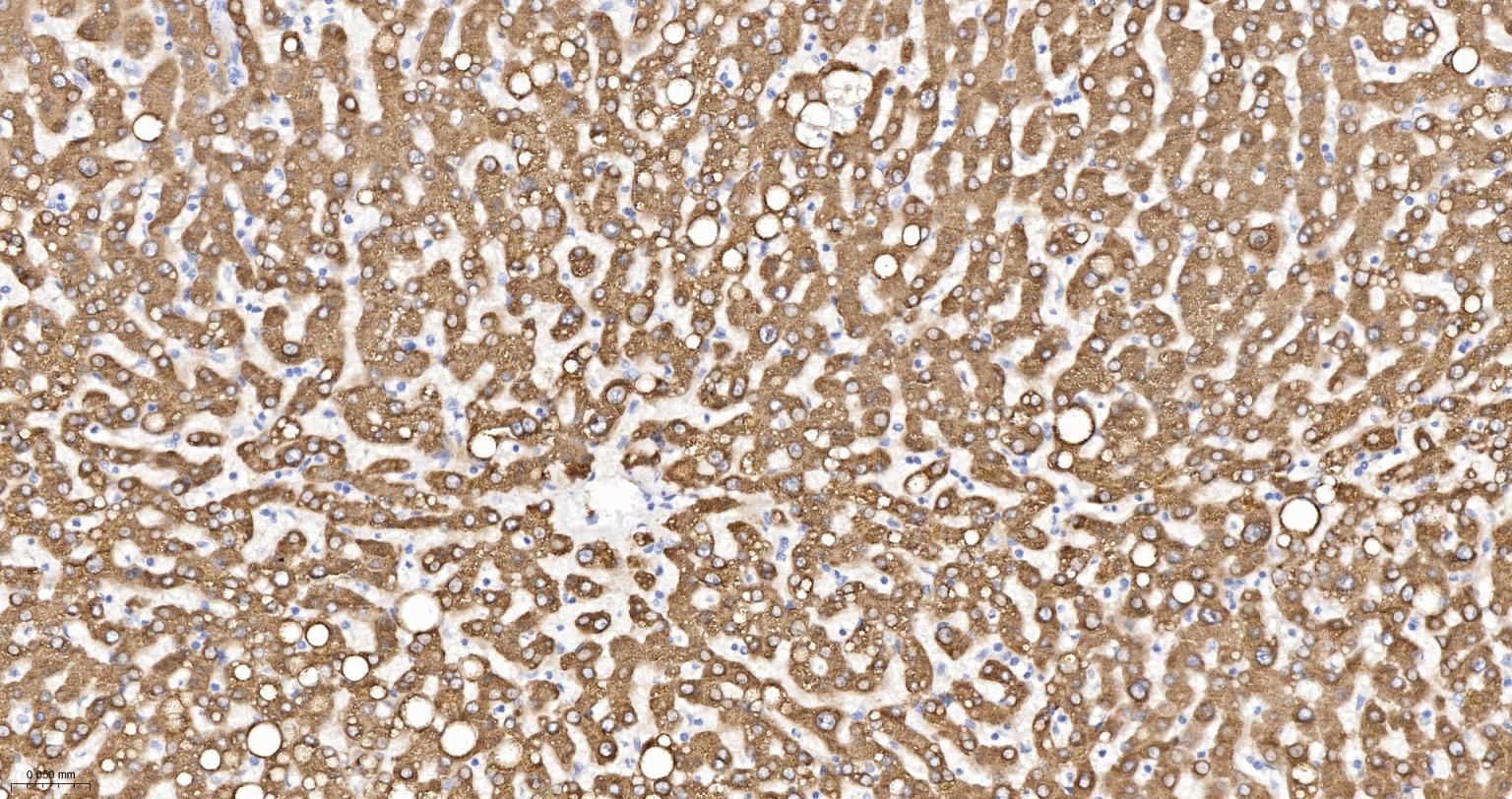
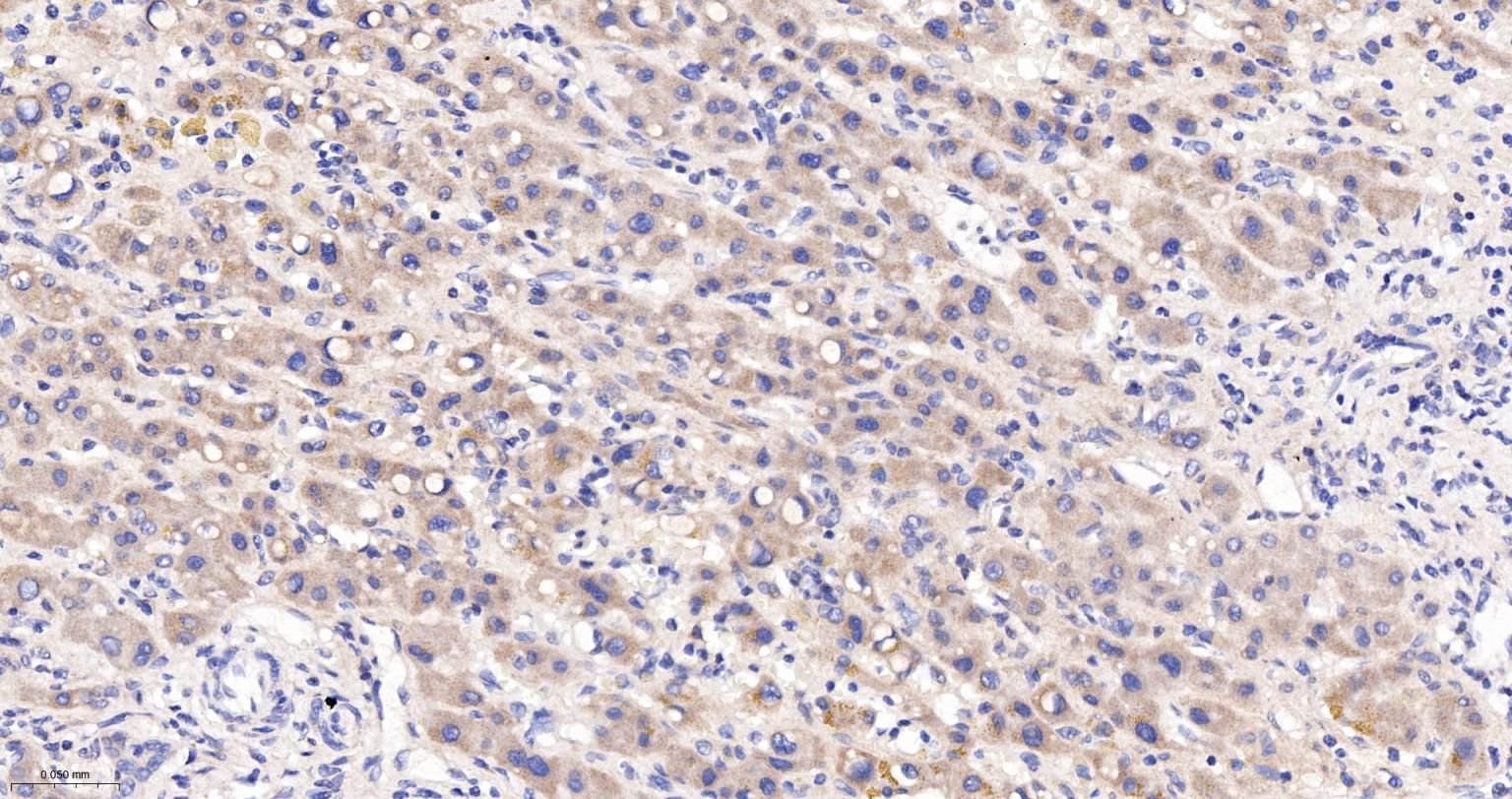
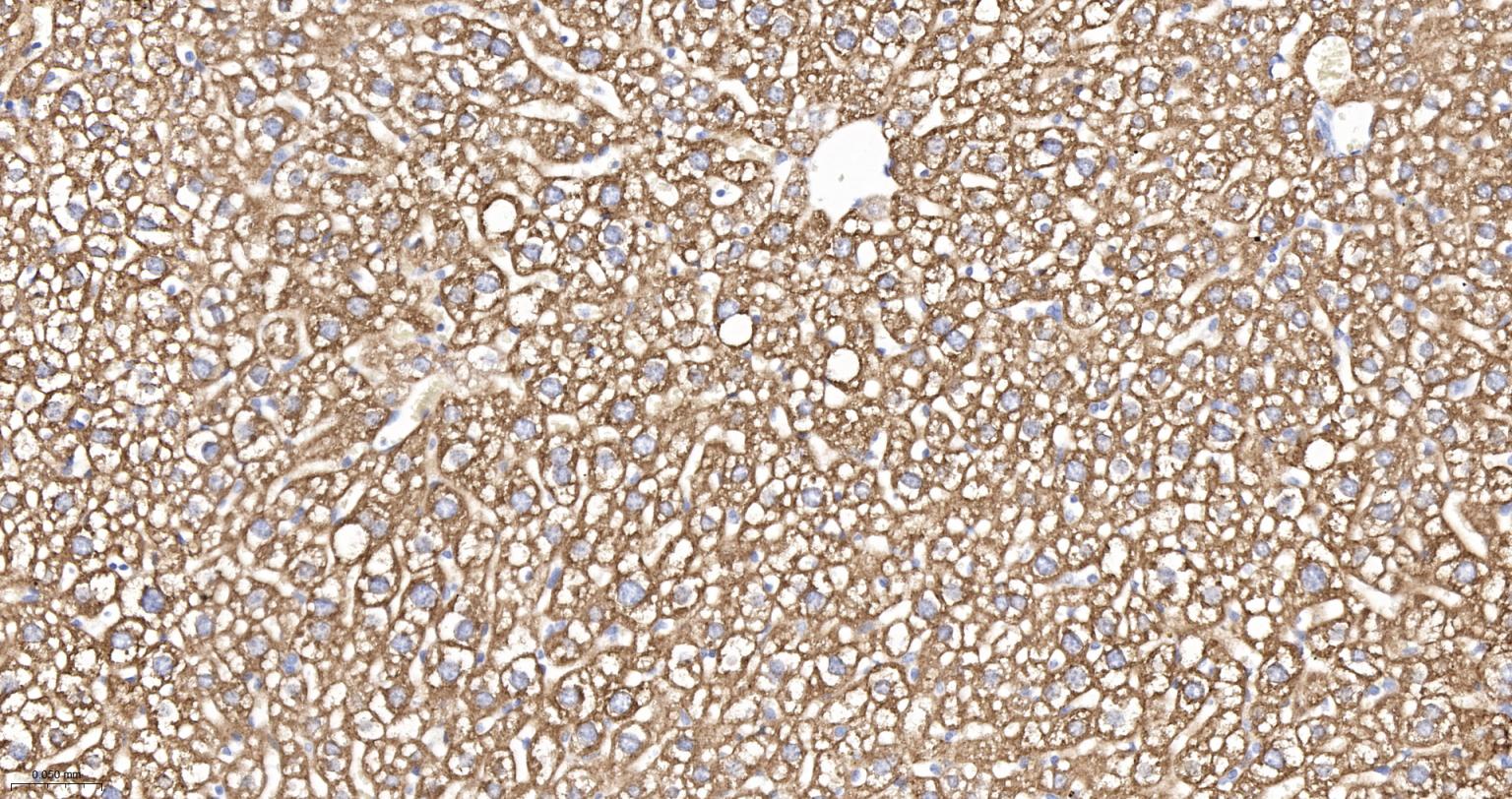
| IHC-P | Human, Mouse, Rat | 1:100-500 | |
| IHC-F | Human, Mouse, Rat | 1:100-500 | |
| IF | Human, Mouse, Rat | 1:100-500 | |
| ICC/IF | Human, Mouse, Rat | 1:50-200 |
交叉反应
交叉反应: Human, Mouse, Rat
相关产品
暂无相关产品
靶标
基因名
FMO3
蛋白名
Dimethylaniline monooxygenase [N-oxide-forming] 3
亚细胞定位
Microsome membrane. Endoplasmic reticulum membrane.
组织特异性
Liver.
翻译后修饰
Belongs to the FMO family.
疾病
Defects in FMO3 are the cause of trimethylaminuria (TMAU) [MIM:602079]; also known as fish-odor syndrome. TMAU is an inborn error of metabolism associated with an offensive body odor and caused by deficiency of FMO-mediated N-oxidation of amino-trimethylamine (TMA) derived from foodstuffs. Such individuals excrete relatively large amounts of TMA in their urine, sweat, and breath, and exhibit a fishy body odor characteristic of the malodorous free amine.
相似性
Belongs to the FMO family.
功能
Involved in the oxidative metabolism of a variety of xenobiotics such as drugs and pesticides. It N-oxygenates primary aliphatic alkylamines as well as secondary and tertiary amines. Plays an important role in the metabolism of trimethylamine (TMA), via the production of TMA N-oxide (TMAO). Is also able to perform S-oxidation when acting on sulfide compounds.
同靶标产品
相关文献
提示: 发表研究结果有使用 bsm-62346R 时请让我们知道,以便我们可以引用参考文章。作为回馈,资料提供者将获得我们送上的小礼品。