PAR-2 Recombinant Rabbit mAb (一抗) - WB,IHC-P,IHC-F,IF | Bioss
Rrmab?兔单抗
货号:bsm-62143R
产品详情
相关标记
相关产品
相关文献
常见问题
概述
产品编号
bsm-62143R
产品类型
重组兔单抗、mIHC精品抗体
英文名称
PAR-2 Recombinant Rabbit mAb
中文名称
蛋白酶激活受体-2重组兔单抗
英文别名
GPR11; PAR2; Gpcr11; PAR-2; PAR2_HUMAN; F2RL1; Coagulation factor II receptor-like 1; G-protein coupled receptor 11; Thrombin receptor-like 1; PAR2_MOUSE; PAR2_RAT; F2R like trypsin receptor 1; coagulation factor II (thrombin) receptor-like 1; proteinase-activated receptor-2
抗体来源
Rabbit
免疫原
A synthesized peptide derived from human PAR2: 330-397/397
亚型
IgG
性状
Liquid
纯化方法
affinity purified by Protein A
克隆类型
Recombinant
克隆号
16C12
理论分子量
44 kDa
检测分子量
55 kDa
储存液
10mM phosphate buffered saline(pH 7.4) with 150mM sodium chloride, 0.05% BSA, 0.02% Proclin300 and 50% glycerol.
SWISS
Gene ID
保存条件
Store at 4℃ for short term. Store at -20℃ for long term. Avoid repeated freeze/thaw cycles.
注意事项
This product as supplied is intended for research use only, not for use in human, therapeutic or diagnostic applications.
数据库链接
产品介绍
PAR2也是细胞表面受体,通过G蛋白影响细胞功能,PAR蛋白全称为蛋白酶活化受体(Protease-activated receptors),是独立家族的G蛋白偶联受体,经研究认为PAR2与炎症,实体肿瘤等密切相关。
背景资料
Receptor for trypsin and trypsin-like enzymes coupled to G proteins that stimulate phosphoinositide hydrolysis. May have a role in the regulation of vascular tone.
基因名
F2RL1
蛋白名
Proteinase-activated receptor 2
亚基
Interacts with TLR4, COPS5 and TMED2. Interacts with GNAQ, GNA11, GNA12, GNA13 and GNA14.
亚细胞定位
Cell membrane; Multi-pass membrane protein.
组织特异性
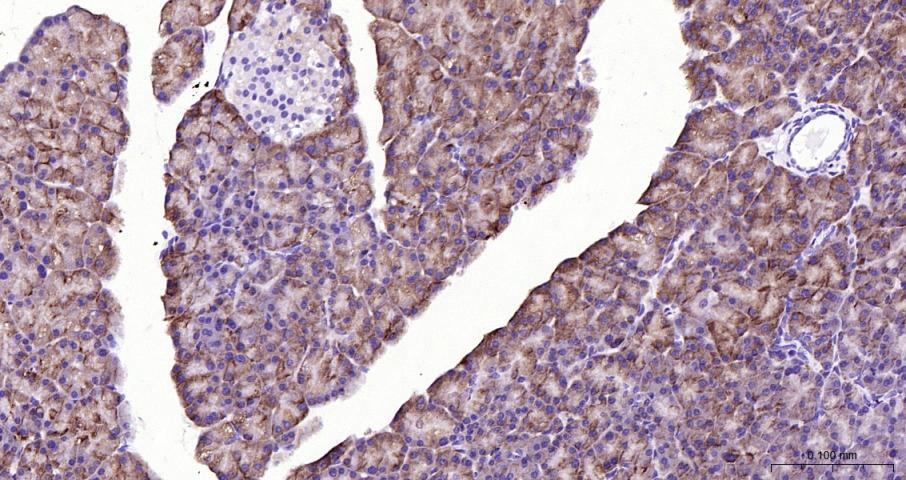
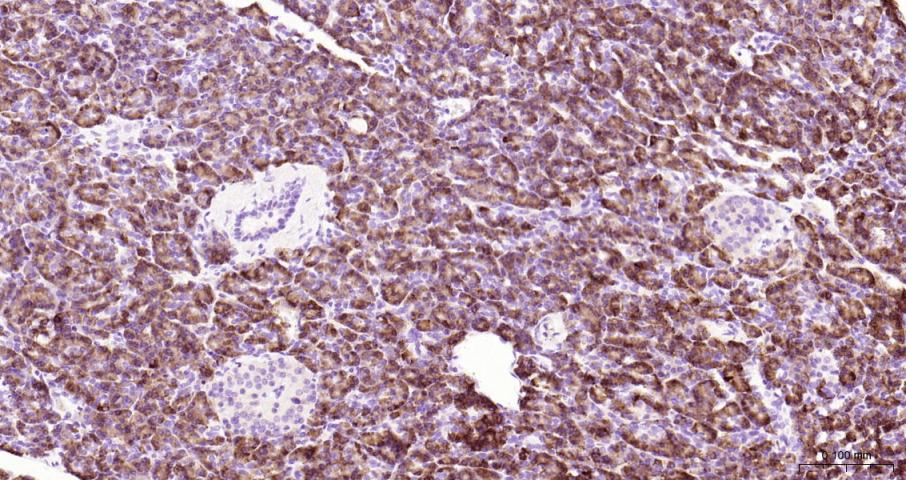
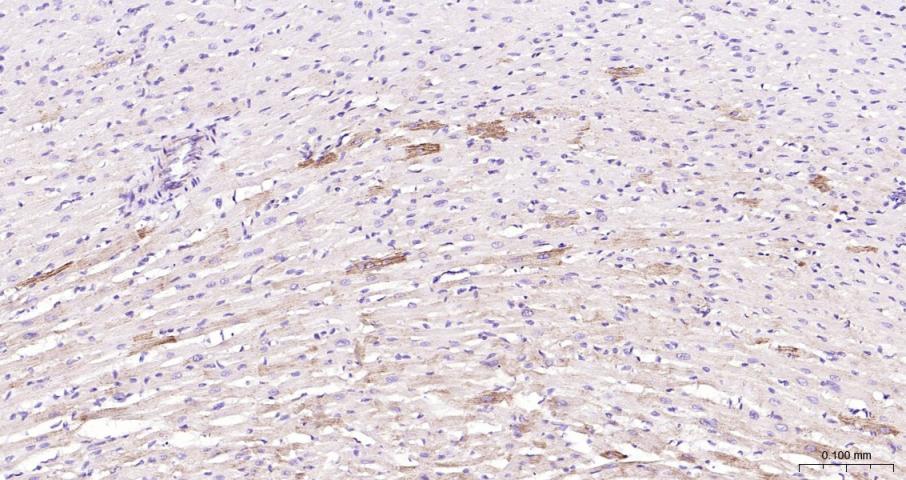
Widely expressed in tissues with especially high levels in pancreas, liver, kidney, small intestine, and colon. Moderate expression is detected in many organs, but none in brain or skeletal muscle.
翻译后修饰
A proteolytic cleavage generates a new N-terminus that functions as a tethered ligand. Activating serine proteases include trypsin, mast cell tryptase, coagulation factors VII and Xa, myeloblastin/PRTN3 and membrane-type serine protease 1/ST14. Proposed subsequent cleaveage by serine proteases is leading to receptor deactivation and include neutrophil elastase and cathepsin G. At least in part, implicated proteases are also shown to activate the receptor; the glycosylation status of the receptor is thought to contribute to the difference. In addition to conventional trypsin-like proteases is proposed to be activated by other proteases and glycosidases derived from bacteria, fungi and insects: serine protease allergens such as dust mite Der p3 and Der p9 and mold Pen c13, Porphyromonas gingivalis arginine-specific (trypsin-like) cysteine proteinases called gingipains, Streptomyces griseus exogenous chitinase, and an Alternaria alternata aspartate protease. Cleavage by the Alternaria alternata aspartate protease generates non-conventional processed forms.
N-glycosylated and sialylated.
Multiple phosphorylated on serine and threonine residues in the cytoplasmic region upon receptor activation; required for receptor desensitization and recruitment of beta-arrestin.
Monoubiquitinated by CBL at the plasma membrane and in early endosomes; not required for receptor endocytosis but for translocation to late endosomes or lysosomes. Deubiquitination involves STAMBP and USP8; required for lysosomal trafficking and receptor degradation.
N-glycosylated and sialylated.
Multiple phosphorylated on serine and threonine residues in the cytoplasmic region upon receptor activation; required for receptor desensitization and recruitment of beta-arrestin.
Monoubiquitinated by CBL at the plasma membrane and in early endosomes; not required for receptor endocytosis but for translocation to late endosomes or lysosomes. Deubiquitination involves STAMBP and USP8; required for lysosomal trafficking and receptor degradation.
相似性
Belongs to the G-protein coupled receptor 1 family.
功能
Receptor for trypsin and trypsin-like enzymes coupled to G proteins. Its function is mediated through the activation of several signaling pathways including phospholipase C (PLC), intracellular calcium, mitogen-activated protein kinase (MAPK), I-kappaB kinase/NF-kappaB and Rho. Can also be transactivated by cleaved F2R/PAR1. Involved in modulation of inflammatory responses and regulation of innate and adaptive immunity, and acts as a sensor for proteolytic enzymes generated during infection. Generally is promoting inflammation. Can signal synergistically with TLR4 and probably TLR2 in inflammatory responses and modulates TLR3 signaling. Has a protective role in establishing the endothelial barrier; the activity involves coagulation factor X. Proposed to have a bronchoprotective role in airway epithelium, but also shown to compromise the airway epithelial barrier by interrupting E-cadherin adhesion. Involved in the regulation of vascular tone; activation results in hypotension presumably mediated by vasodilation. Associates with a subset of G proteins alpha subunits such as G alpha-q, G alpha-11, G alpha-14, G alpha-12 and G alpha-13, but probably not with G(o) alpha, G(i) subunit alpha-1 and G(i) subunit alpha-2. However, according to PubMed:21627585 can signal through G(i) subunit alpha. Believed to be a class B receptor which internalizes as a complex with arrestin and traffic with it to endosomal vesicles, presumably as desensitized receptor, for extended periods of time. Mediates inhibition of TNF-alpha stimulated JNK phosphorylation via coupling to G alpha-q/11; the function involves dissociation of RIPK1 and TRADD from TNFR1. Mediates phosphorylation of nuclear factor NF-kappa-B RELA subunit at 'Ser-536'; the function involves IKBKB and is predominantly independent of G proteins. Involved in cellular migration. Involved in cytoskeletal rearrangement and chemotaxis through beta-arrestin-promoted scaffolds; the function is independent of G alpha-q/11 and involves promotion of cofilin dephosphoryltaion and actin filament severing. Induces redistribution of COPS5 from the plasma membrane to the cytosol and activation of the JNK cascade is mediated by COPS5. Involved in the recruitment of leukocytes to the sites of inflammation and is the major PAR receptor capable of modulating eosinophil function such as proinflammatory cytokine secretion, superoxide production and degranulation. During inflammation promotes dendritic cell maturation, trafficking to the lymph nodes and subsequent T-cell activation. Involved in antimicrobial response of innate immnune cells; activation enhances phagocytosis of Gram-positive and killing of Gram-negative bacteria. Acts synergistically with interferon-gamma in enhancing antiviral responses. Implicated in a number of acute and chronic inflammatory diseases such as of the joints, lungs, brain, gastrointestinal tract, periodontium, skin, and vascular systems, and in autoimmune disorders.
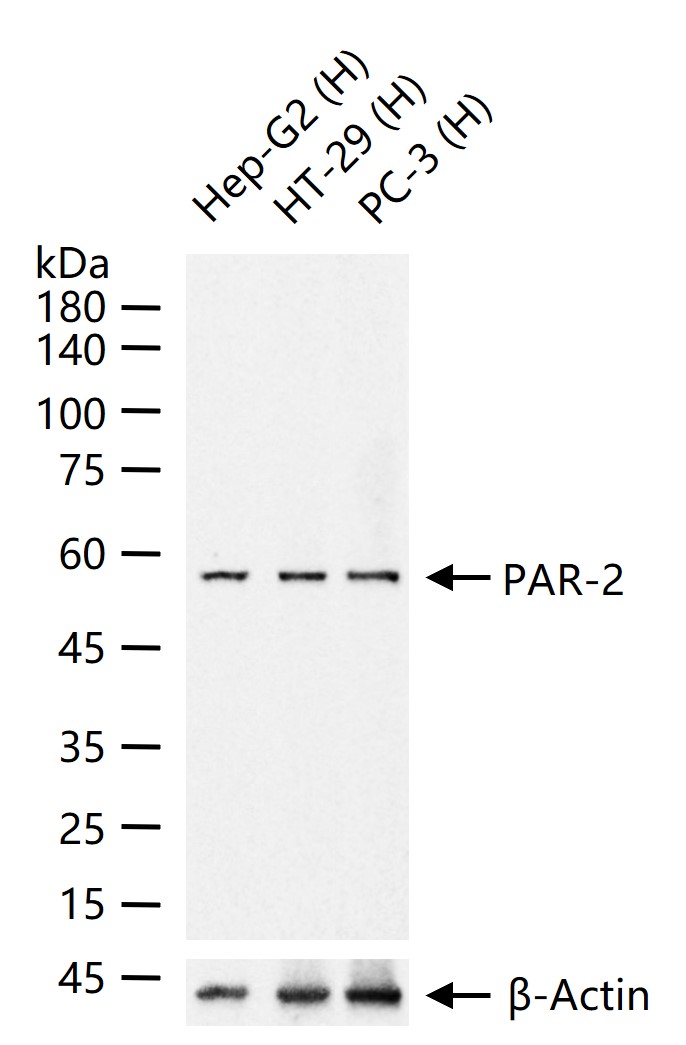
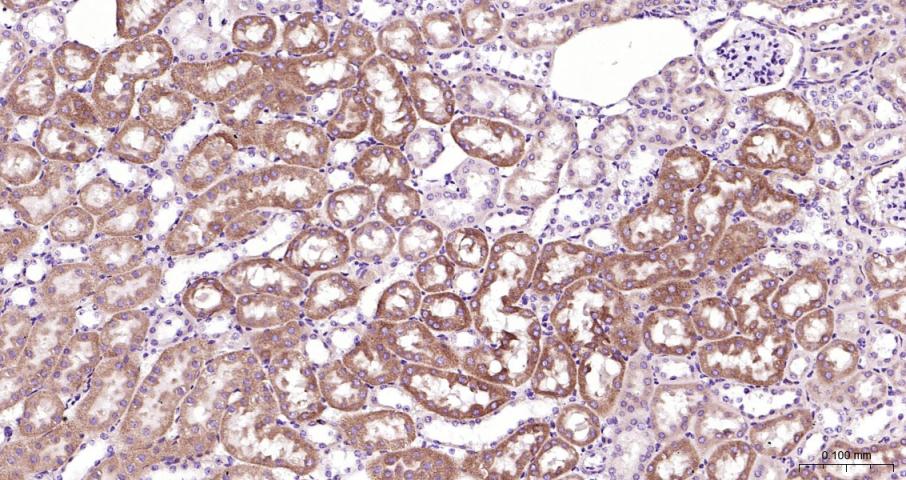
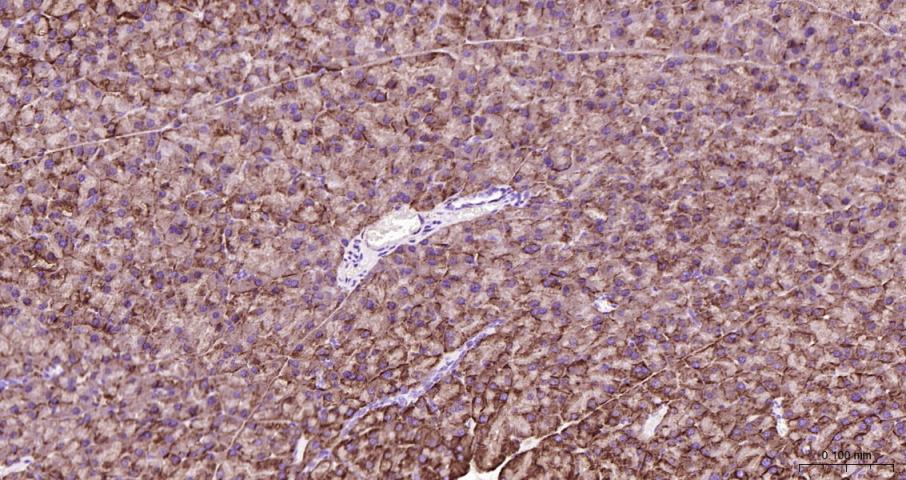
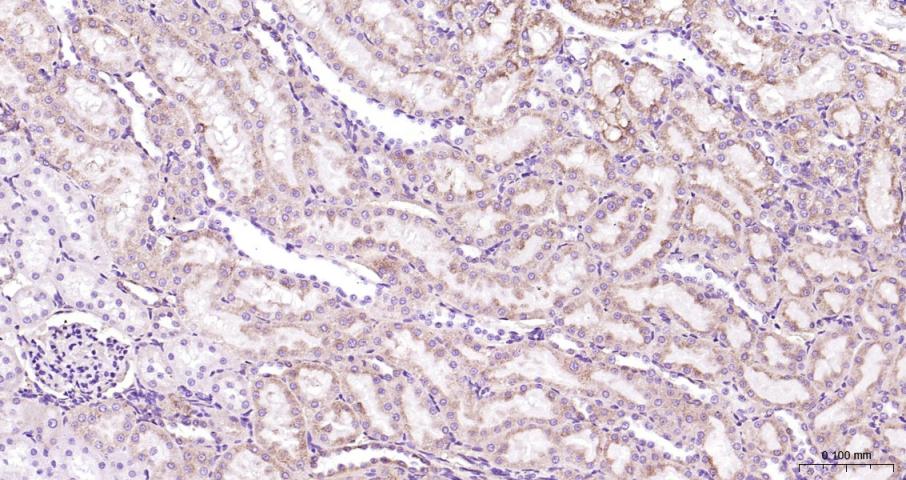
产品应用
| 应用 | 已检合格种属 | 预测种属 | 推荐稀释比例 |
|---|---|---|---|
| WB | Human | Mouse, Rat | 1:500-2000 |
| IHC-P | Human, Mouse, Rat | 1:100-500 | |
| IHC-F | Human, Mouse, Rat | 1:100-500 | |
| IF | Human, Mouse, Rat | 1:100-500 |
交叉反应
交叉反应: Human, Mouse, Rat
相关产品
暂无相关产品
同靶标产品
相关文献
提示: 发表研究结果有使用 bsm-62143R 时请让我们知道,以便我们可以引用参考文章。作为回馈,资料提供者将获得我们送上的小礼品。
具体参考文献:bsm-62143R 被引用于1文献中