CLSTN1 Recombinant Rabbit mAb (一抗) - WB,IHC-P,IHC-F,IF,Flow-Cyt | Bioss
Rrmab?兔单抗
货号:bsm-62063R
产品详情
相关标记
相关产品
相关文献
常见问题
概述
产品编号
bsm-62063R
产品类型
重组兔单抗
英文名称
CLSTN1 Recombinant Rabbit mAb
中文名称
老年痴呆相关类钙粘蛋白CS1重组兔单抗
英文别名
ALC-ALPHA; CDHR12; CST-1; CSTN1; PIK3CD; XB31alpha; alcalpha1; alcalpha2; 1810034E21Rik; CSTN1_HUMAN; CLSTN1; Alcadein-alpha (Alc-alpha); Alzheimer-related cadherin-like protein; Non-classical cadherin XB31alpha; CS1; KIAA0911; CSTN1_MOUSE; calsyntenin 1; cadherin-related family member 12
抗体来源
Rabbit
免疫原
A synthesized peptide derived from human Calsyntenin 1: 920-981/981
亚型
IgG
性状
Liquid
纯化方法
affinity purified by Protein A
克隆类型
Recombinant
克隆号
4A11
理论分子量
110 kDa
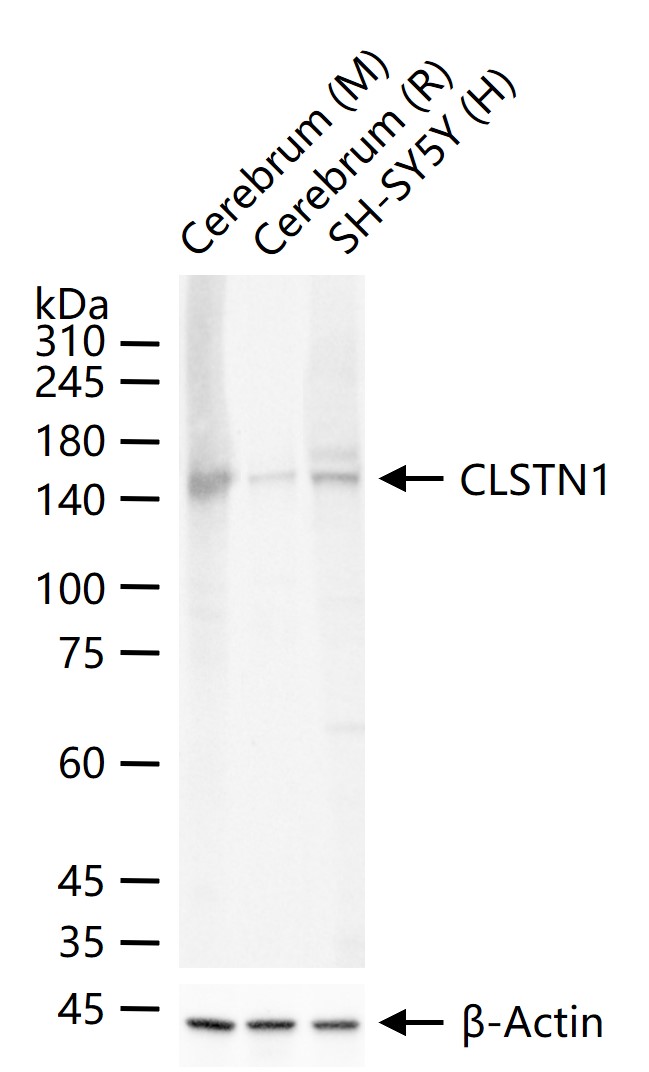
检测分子量
145 kDa
储存液
10mM phosphate buffered saline(pH 7.4) with 150mM sodium chloride, 0.05% BSA, 0.02% Proclin300 and 50% glycerol.
研究领域
SWISS
Gene ID
保存条件
Store at 4℃ for short term. Store at -20℃ for long term. Avoid repeated freeze/thaw cycles.
注意事项
This product as supplied is intended for research use only, not for use in human, therapeutic or diagnostic applications.
数据库链接
背景资料
Postsynaptic adhesion molecule that binds to presynaptic neurexins to mediate both excitatory and inhibitory synapse formation. Promotes synapse development by acting as a cell adhesion molecule at the postsynaptic membrane, which associates with neurexin-alpha at the presynaptic membrane.
基因名
CLSTN1
蛋白名
Calsyntenin-1
亚基
Directly interacts with APBA2. Forms a tripartite complex with APBA2 and APP. The CTF1 chain interacts with PSEN1. The intracellular fragment AlcICD interacts with APBB1; this interaction stabilizes AlcICD metabolism. Interacts with KLC1 and APBB1
亚细胞定位
Endoplasmic reticulum membrane. Golgi apparatus membrane. Cell projection. Cell junction > synapse > postsynaptic cell membrane. Nucleus. Neurite tips. Localized in the postsynaptic membrane of both excitatory and inhibitory synapses (By similarity). The AlcICD fragment is translocated to the nucleus upon interaction with APBB1.
组织特异性
Expressed in the brain and, a lower level, in the heart, skeletal muscle, kidney and placenta. Accumulates in dystrophic neurites around the amyloid core of Alzheimer disease senile plaques (at protein level).
翻译后修饰
Proteolytically processed under normal cellular conditions. A primary zeta-cleavage generates a large extracellular (soluble) N-terminal domain (sAlc) and a short C-terminal transmembrane fragment (CTF1). A secondary cleavage catalyzed by presenilin gamma-secretase within the transmembrane domain releases the beta-Alc-alpha chain in the extracellular milieu and produces an intracellular fragment (AlcICD). This processing is strongly suppressed in the tripartite complex formed with APBA2 and APP, which seems to prevent the association with PSEN1.
相似性
Contains 2 cadherin domains.
功能
Induces KLC1 association with vesicles and functions as a cargo in axonal anterograde transport. Complex formation with APBA2 and APP, stabilizes APP metabolism and enhances APBA2-mediated suppression of beta-APP40 secretion, due to the retardation of intracellular APP maturation. In complex with APBA2 and C99, a C-terminal APP fragment, abolishes C99 interaction with PSEN1 and thus APP C99 cleavage by gamma-secretase, most probably through stabilization of the direct interaction between APBA2 and APP. The intracellular fragment AlcICD suppresses APBB1-dependent transactivation stimulated by APP C-terminal intracellular fragment (AICD), most probably by competing with AICD for APBB1-binding. May modulate calcium-mediated postsynaptic signals.
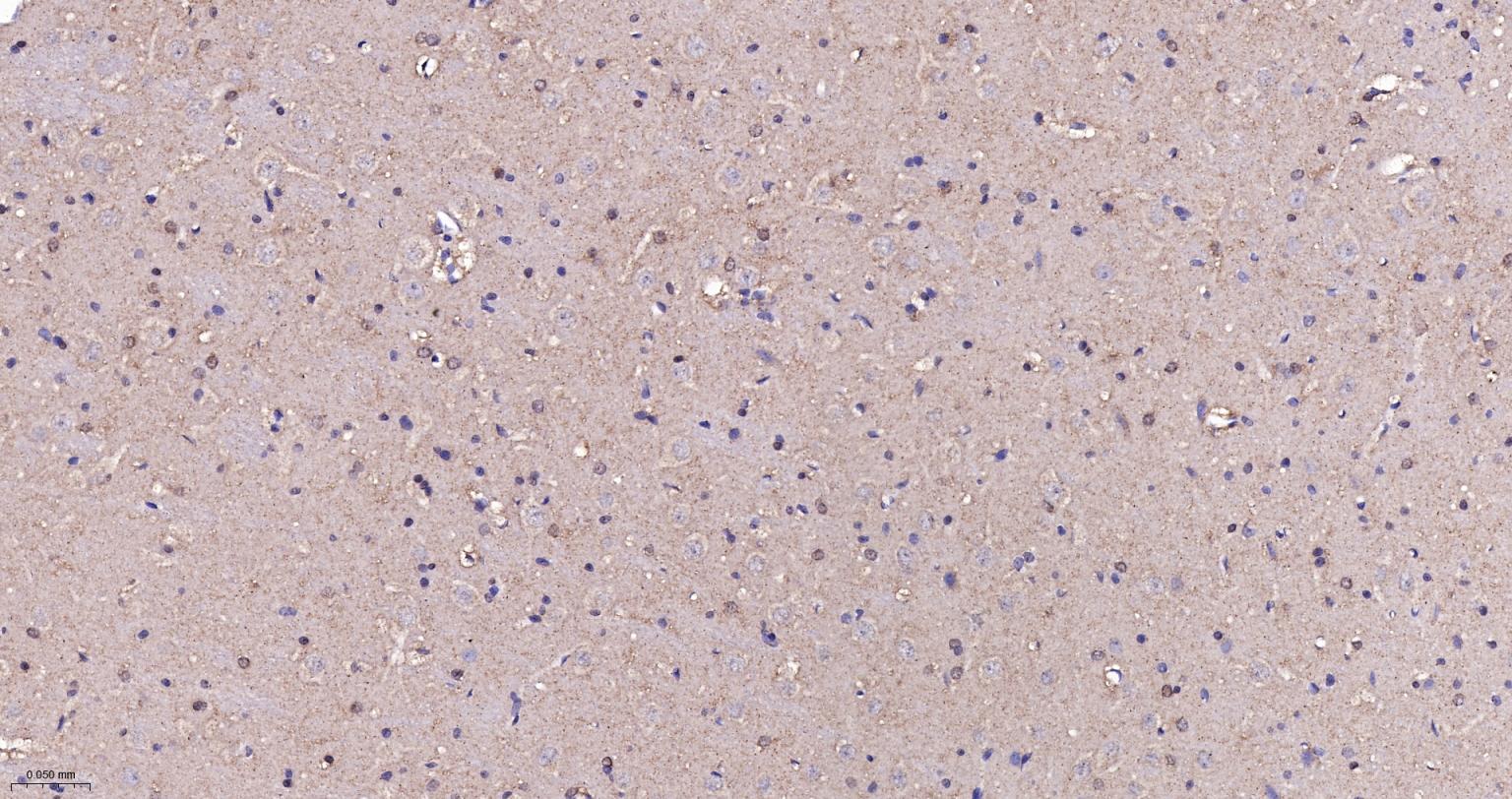
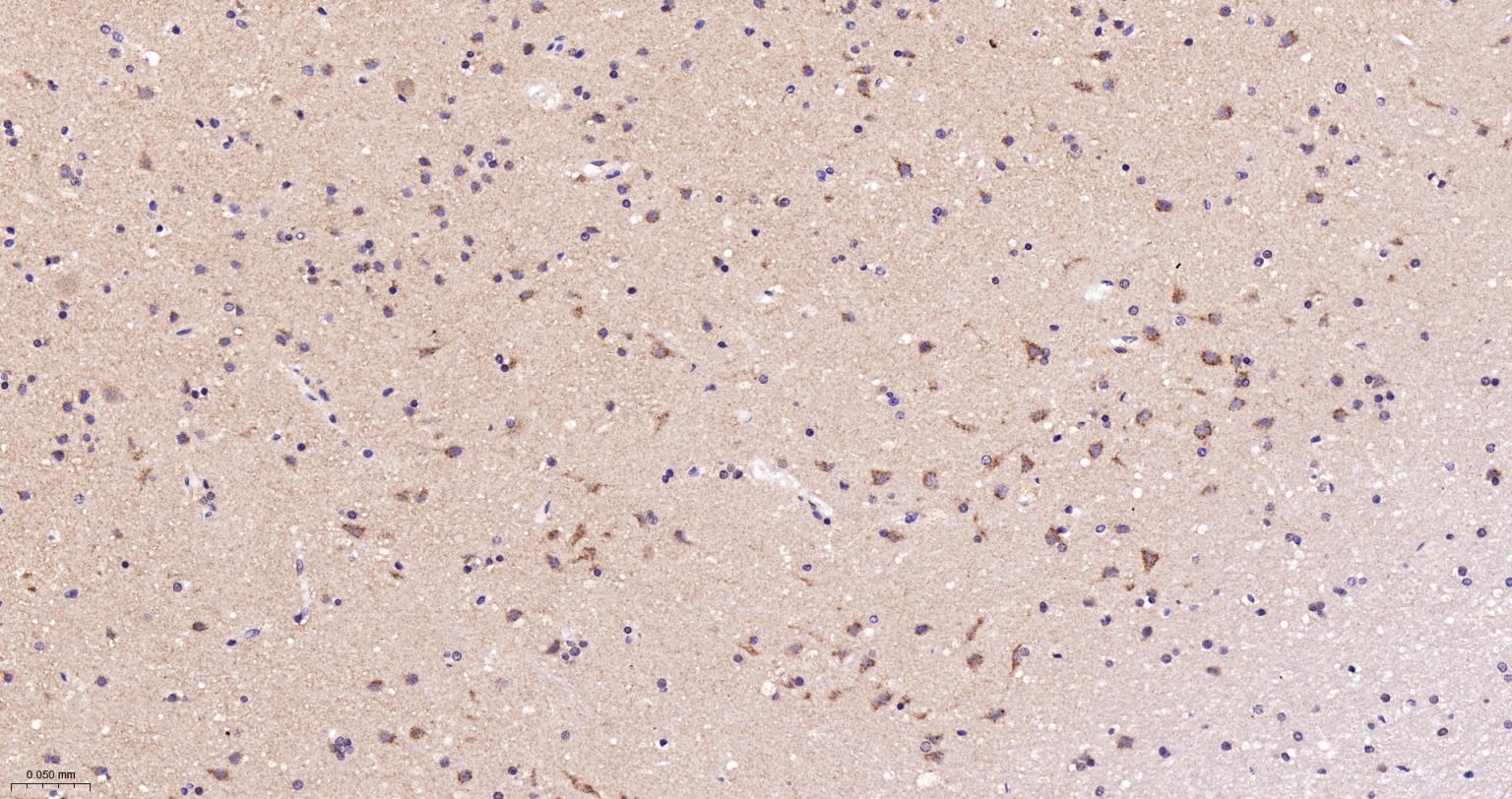
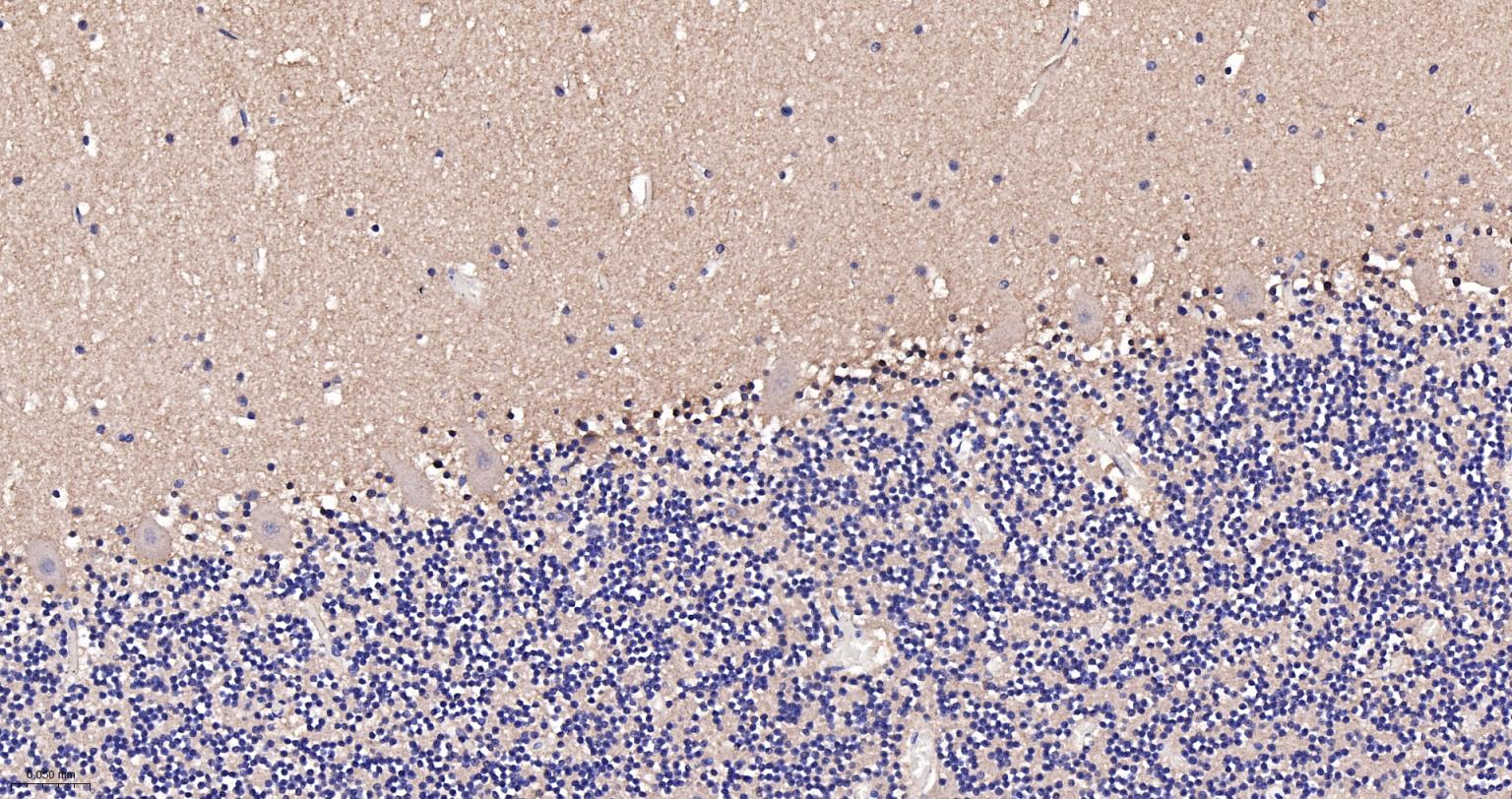
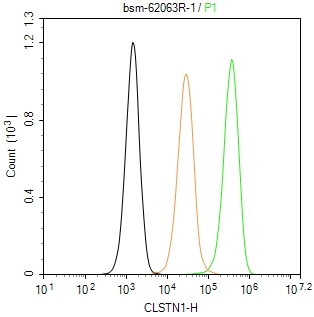
产品应用
| 应用 | 已检合格种属 | 预测种属 | 推荐稀释比例 |
|---|---|---|---|
| WB | Human, Mouse, Rat | 1:500-2000 | |
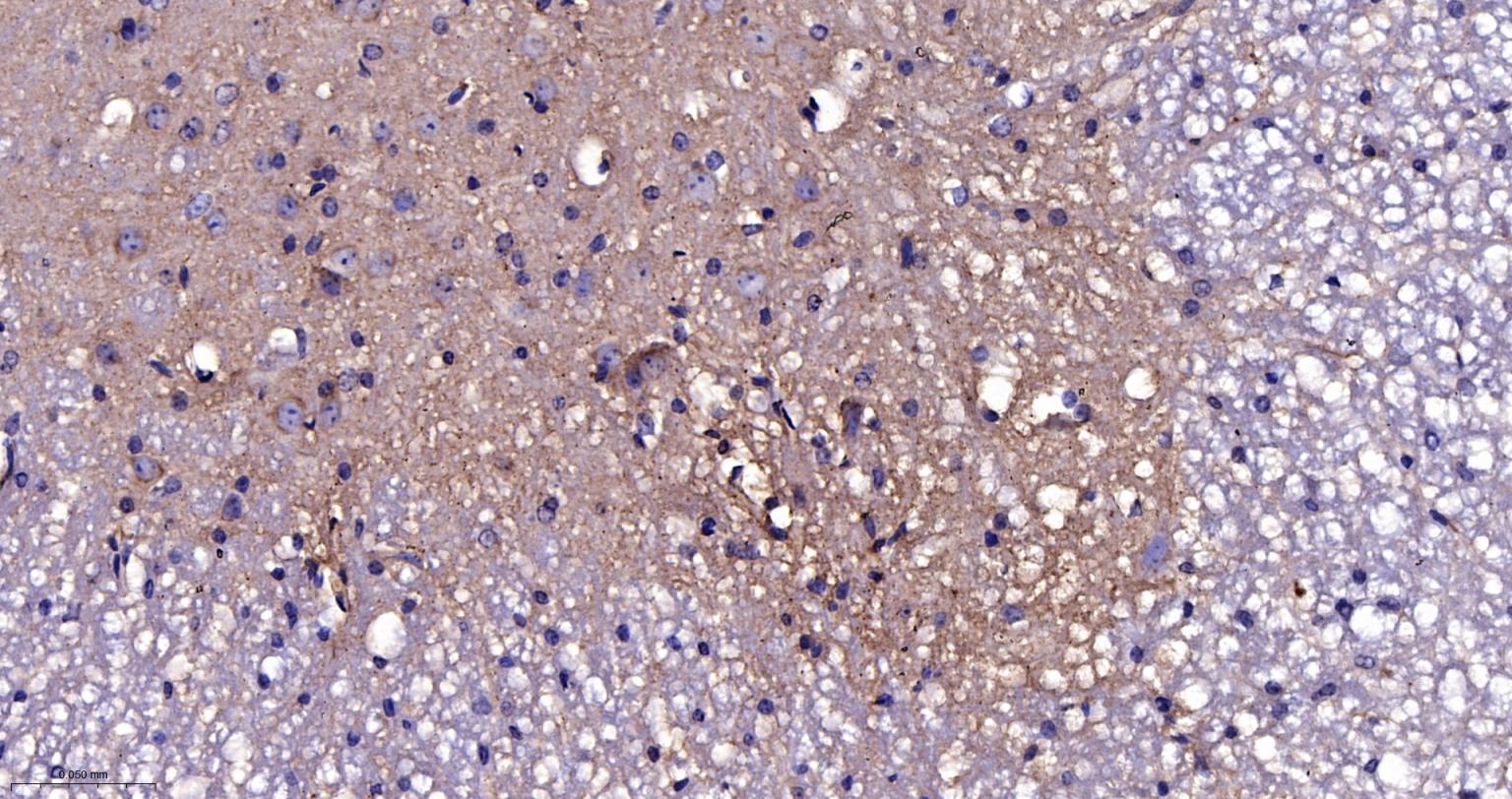
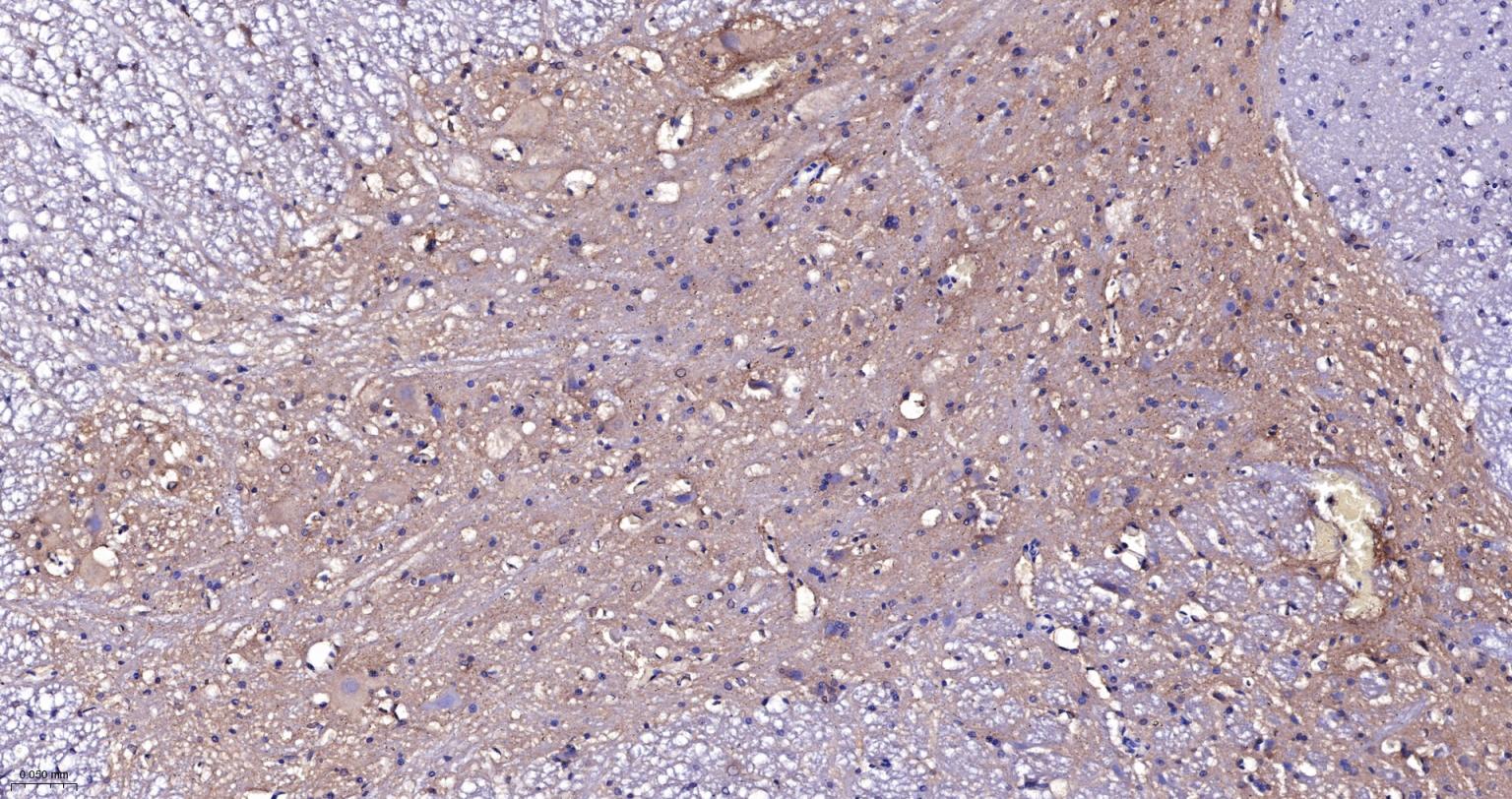
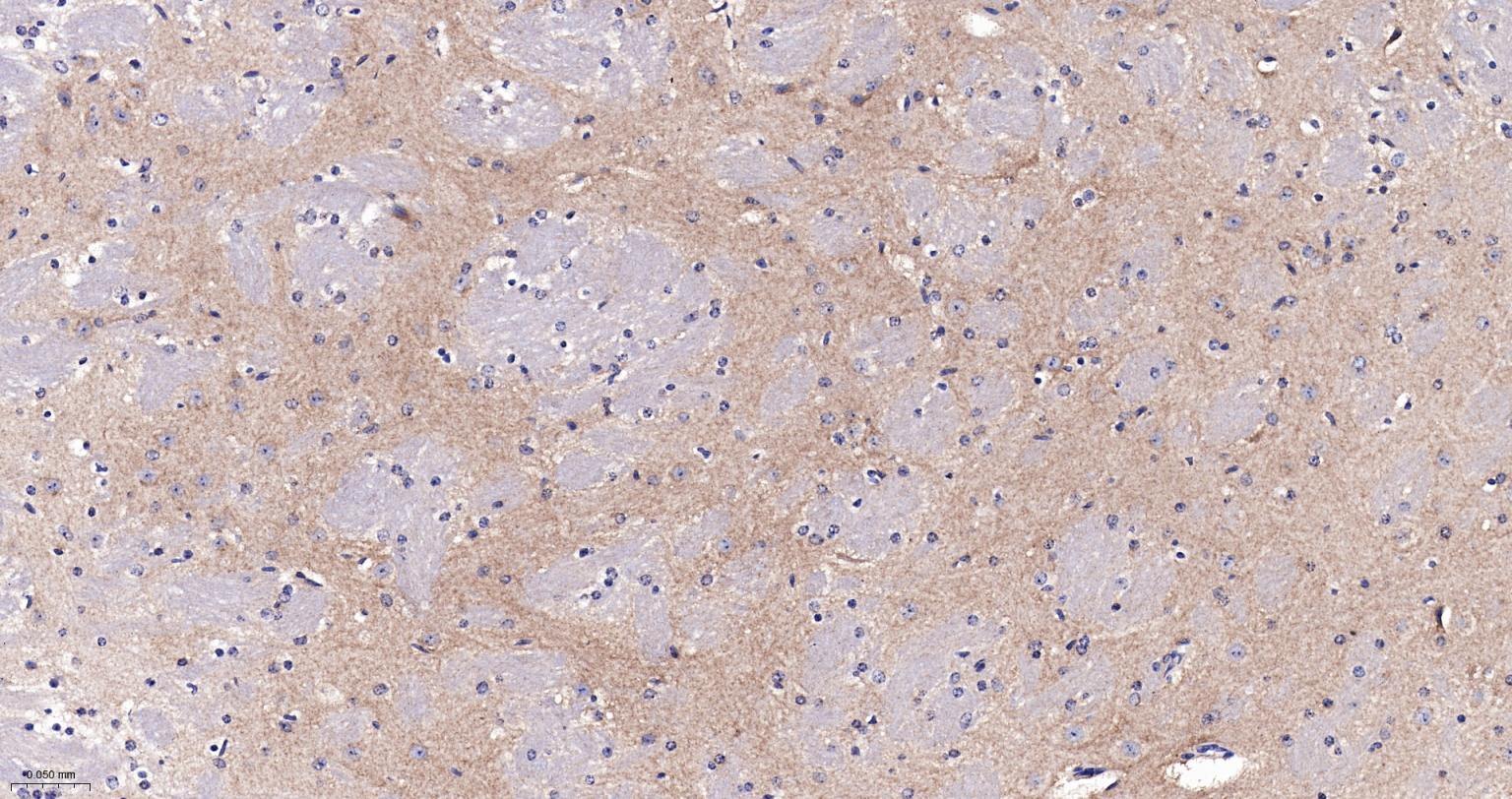
| IHC-P | Human, Mouse, Rat | 1:100-500 | |
| IHC-F | Human, Mouse, Rat | 1:100-500 | |
| IF | Human, Mouse, Rat | 1:100-500 | |
| Flow-Cyt | Human | Mouse, Rat | 1:50-100 |
交叉反应
交叉反应: Human, Mouse, Rat
相关产品
暂无相关产品
同靶标产品
相关文献
提示: 发表研究结果有使用 bsm-62063R 时请让我们知道,以便我们可以引用参考文章。作为回馈,资料提供者将获得我们送上的小礼品。