ATP2A2 | SERCA2 Recombinant Rabbit mAb (一抗) - WB,IHC-P,IHC-F,IF,ICC/IF | Bioss
Rrmab?兔单抗
货号:bsm-61408R
产品详情
相关标记
相关产品
相关文献
常见问题
概述
产品编号
bsm-61408R
产品类型
重组兔单抗
英文名称
ATP2A2 | SERCA2 Recombinant Rabbit mAb
中文名称
肌浆/内质网钙ATP酶2重组兔单抗
英文别名
SERCA2; SERCA2A; ATP2B; DAR; DD; RHABDO2; 9530097L16Rik; D5Wsu150e; SERCA2B; mKIAA4195; ATP2; SercaII; AT2A2_CHICK; ATP2A2; SR Ca(2+)-ATPase 2; Calcium pump 2; Calcium-transporting ATPase sarcoplasmic reticulum type, slow twitch skeletal muscle isoform; Endoplasmic reticulum class 1/2 Ca(2+) ATPase; 7.2.2.10; AT2A2_CANLF; AT2A2_HUMAN; AT2A2_MOUSE; AT2A2_PIG; AT2A2_RABIT; AT2A2_RAT; ATPase sarcoplasmic/endoplasmic reticulum Ca2+ transporting 2; ATPase, Ca++ transporting, cardiac muscle, slow twitch 2; sarcoplasmic/endoplasmic reticulum calcium ATPase 2
抗体来源
Rabbit
免疫原
A synthesized peptide derived from human SERCA2: 1001-1042/1042
亚型
IgG
性状
Liquid
纯化方法
affinity purified by Protein A
克隆类型
Recombinant
克隆号
13G1
理论分子量
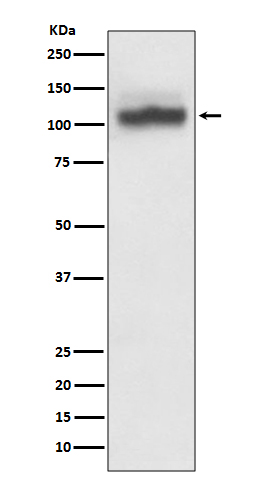
115 kDa
检测分子量
105 kDa
储存液
0.01M TBS (pH7.4) with 1% BSA, 0.02% Proclin300 and 50% Glycerol.
SWISS
Gene ID
保存条件
Shipped at 4℃. Store at -20℃ for one year. Avoid repeated freeze/thaw cycles.
注意事项
This product as supplied is intended for research use only, not for use in human, therapeutic or diagnostic applications.
背景资料
This magnesium-dependent enzyme catalyzes the hydrolysis of ATP coupled with the translocation of calcium from the cytosol to the sarcoplasmic reticulum lumen. Involved in autophagy in response to starvation. Upon interaction with VMP1 and activation, controls ER-isolation membrane contacts for autophagosome formation.
基因名
ATP2A2
蛋白名
Sarcoplasmic/endoplasmic reticulum calcium ATPase 2
亚基
Associated with phospholamban (PLN) (By similarity). Isoform 1 interacts with TRAM2 (via C-terminus). Interacts with HAX1.
亚细胞定位
Endoplasmic reticulum membrane; Multi-pass membrane protein. Sarcoplasmic reticulum membrane; Multi-pass membrane protein.
组织特异性
Isoform 1 is widely expressed in smooth muscle and nonmuscle tissues such as in adult skin epidermis, with highest expression in liver, pancreas and lung, and intermediate expression in brain, kidney and placenta. Also expressed at lower levels in heart and skeletal muscle. Isoforms 2 and 3 are highly expressed in the heart and slow twitch skeletal muscle. Expression of isoform 3 is predominantly restricted to cardiomyocytes and in close proximity to the sarcolemma. Both isoforms are mildly expressed in lung, kidney, liver, pancreas and placenta. Expression of isoform 3 is amplified during monocytic differentiation and also observed in the fetal heart.
翻译后修饰
Nitrated under oxidative stress. Nitration on the two tyrosine residues inhibits catalytic activity.
疾病
Defects in ATP2A2 are a cause of acrokeratosis verruciformis (AKV) [MIM:101900]; also known as Hopf disease. AKV is a localized disorder of keratinization, which is inherited as an autosomal dominant trait. Its onset is early in life with multiple flat-topped, flesh-colored papules on the hands and feet, punctuate keratoses on the palms and soles, with varying degrees of nail involvement. The histopathology shows a distinctive pattern of epidermal features with hyperkeratosis, hypergranulosis, and acanthosis together with papillomatosis. These changes are frequently associated with circumscribed elevations of the epidermis that are said to resemble church spires. There are no features of dyskeratosis or acantholysis, the typical findings in lesions of Darier disease.
Defects in ATP2A2 are the cause of Darier disease (DD) [MIM:124200]; also known as Darier-White disease (DAR). DD is an autosomal dominantly inherited skin disorder characterized by loss of adhesion between epidermal cells (acantholysis) and abnormal keratinization. Patients with mild disease may have no more than a few scattered keratotic papules or subtle nail changes, whereas those with severe disease are handicapped by widespread malodorous keratotic plaques. In a few families, neuropsychiatric abnormalities such as mild mental retardation, schizophrenia, bipolar disorder and epilepsy have been reported. Stress, UV exposure, heat, sweat, friction, and oral contraception exacerbate disease symptoms. Prevalence has been estimated at 1 in 50000. Clinical variants of DD include hypertrophic, vesicobullous, hypopigmented, cornifying, zosteriform or linear, acute and comedonal subtypes. Comedonal Darier disease (CDD) is characterized by the coexistence of acne-like comedonal lesions with typical Darier hyperkeratotic papules on light-exposed areas. At histopathologic level, CDD differs from classic DD in the prominent follicular involvement and the presence of greatly elongated dermal villi.
Defects in ATP2A2 are the cause of Darier disease (DD) [MIM:124200]; also known as Darier-White disease (DAR). DD is an autosomal dominantly inherited skin disorder characterized by loss of adhesion between epidermal cells (acantholysis) and abnormal keratinization. Patients with mild disease may have no more than a few scattered keratotic papules or subtle nail changes, whereas those with severe disease are handicapped by widespread malodorous keratotic plaques. In a few families, neuropsychiatric abnormalities such as mild mental retardation, schizophrenia, bipolar disorder and epilepsy have been reported. Stress, UV exposure, heat, sweat, friction, and oral contraception exacerbate disease symptoms. Prevalence has been estimated at 1 in 50000. Clinical variants of DD include hypertrophic, vesicobullous, hypopigmented, cornifying, zosteriform or linear, acute and comedonal subtypes. Comedonal Darier disease (CDD) is characterized by the coexistence of acne-like comedonal lesions with typical Darier hyperkeratotic papules on light-exposed areas. At histopathologic level, CDD differs from classic DD in the prominent follicular involvement and the presence of greatly elongated dermal villi.
相似性
Belongs to the cation transport ATPase (P-type) (TC 3.A.3) family. Type IIA subfamily.
功能
This magnesium-dependent enzyme catalyzes the hydrolysis of ATP coupled with the translocation of calcium from the cytosol to the sarcoplasmic reticulum lumen. Isoform 2 is involved in the regulation of the contraction/relaxation cycle.
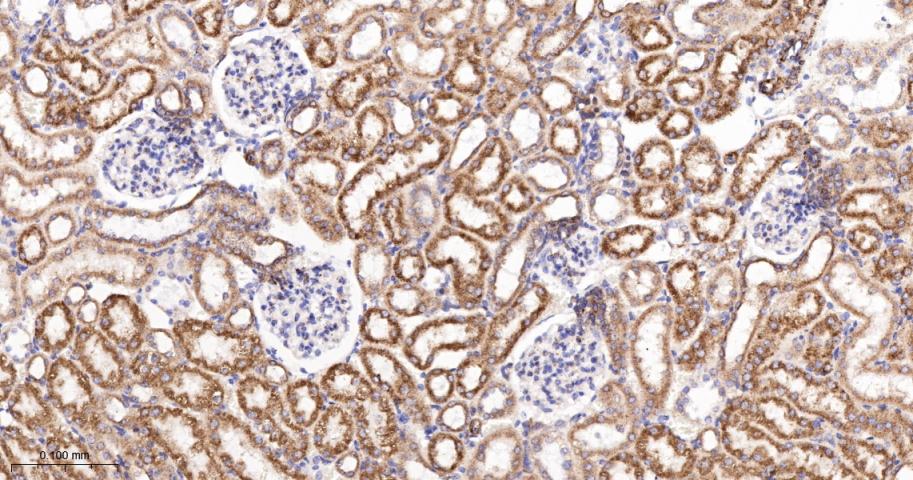
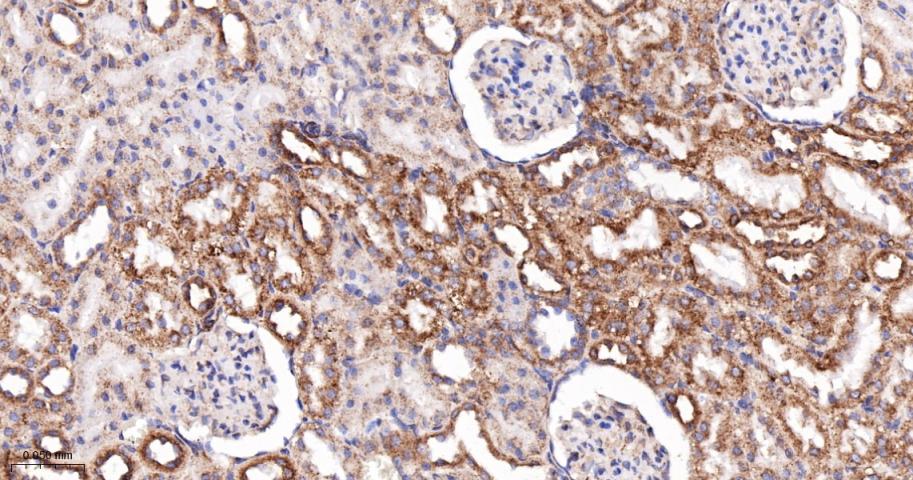
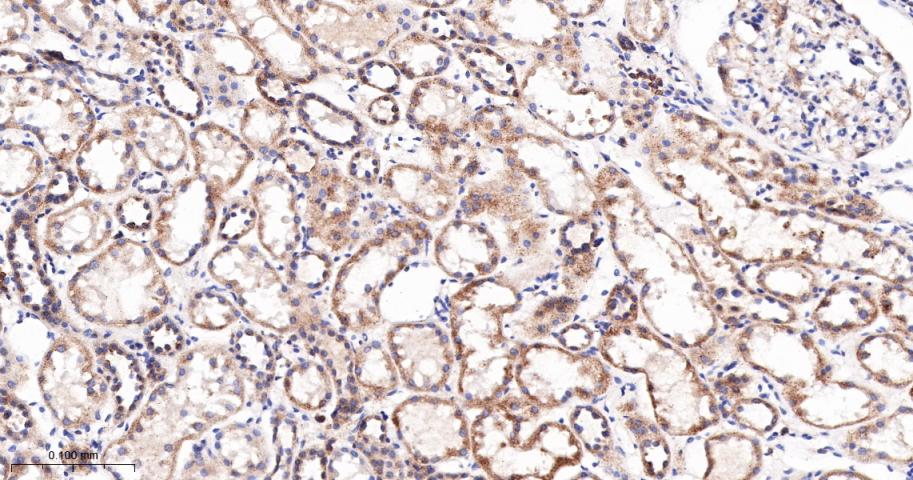
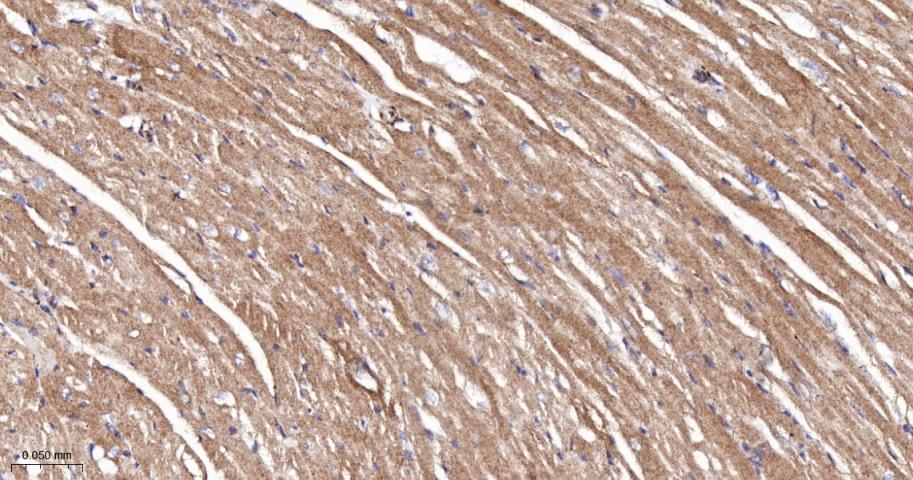
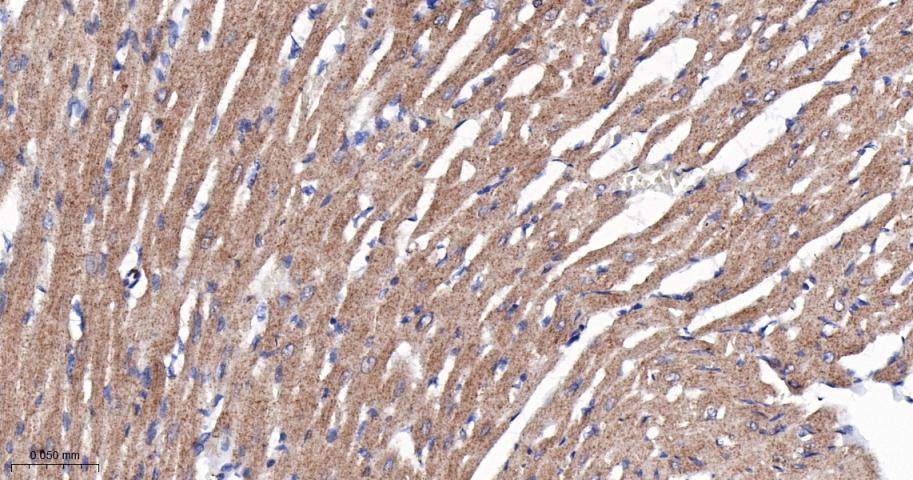
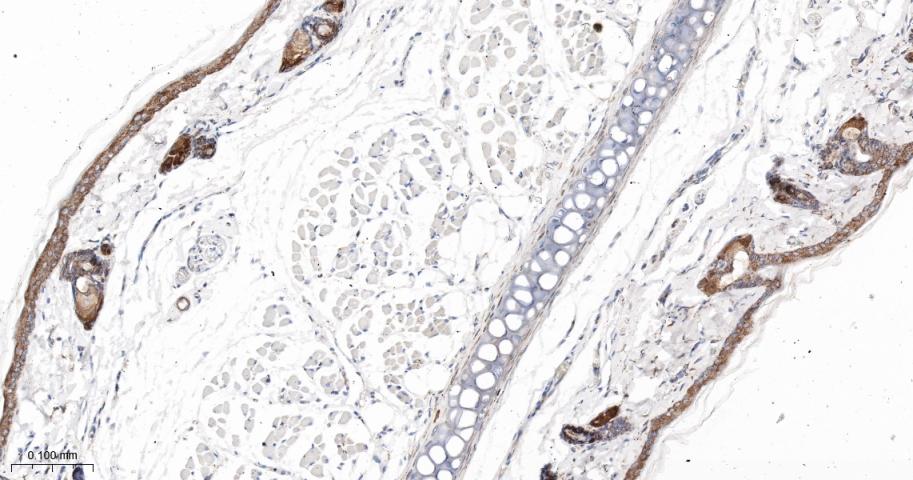
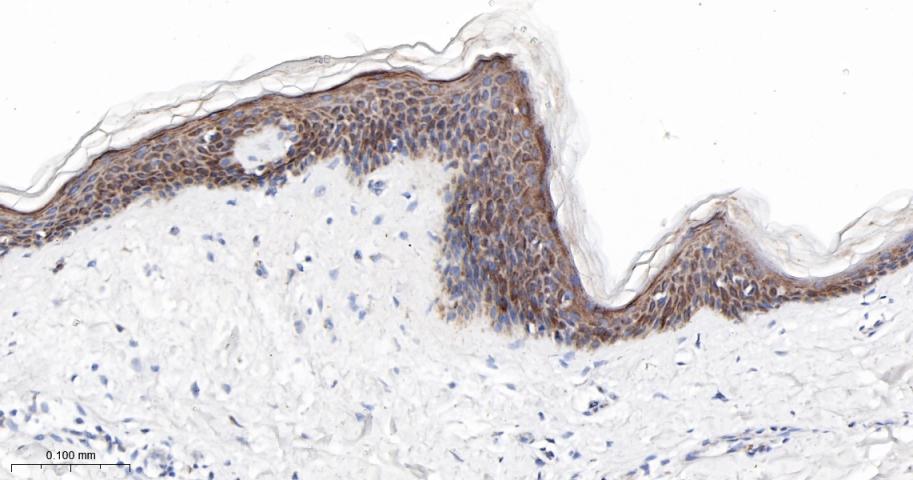
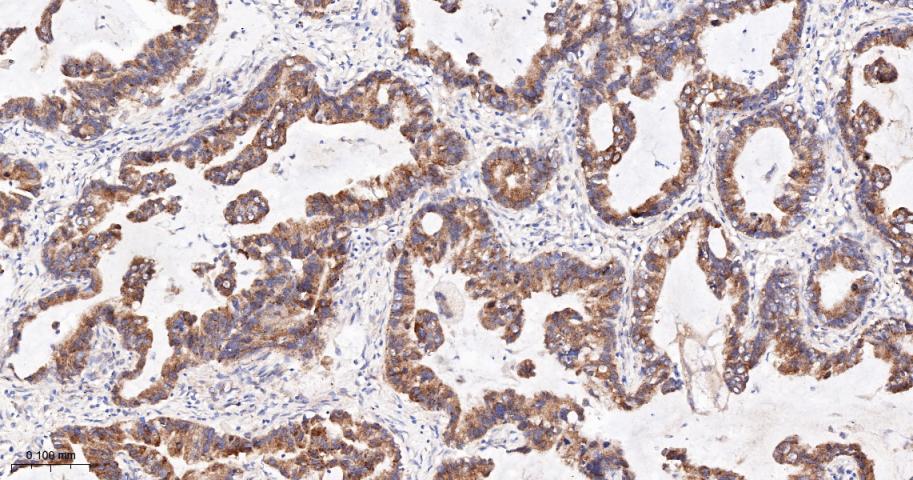
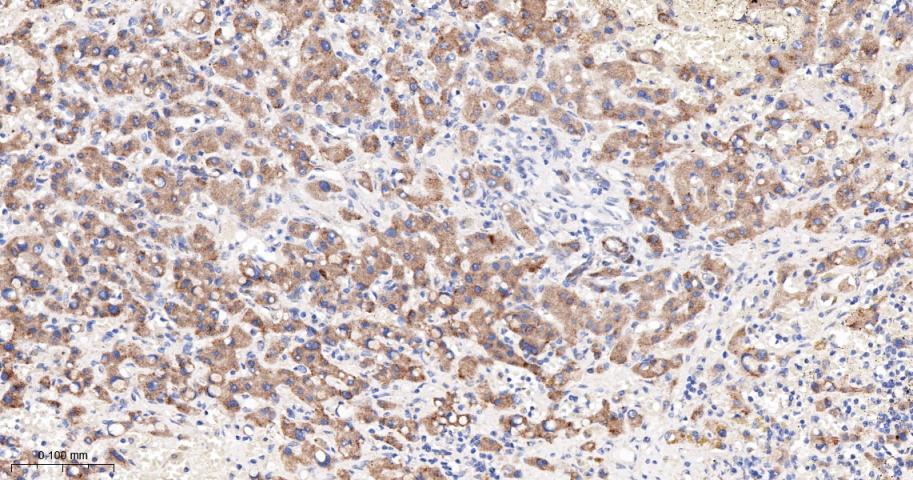
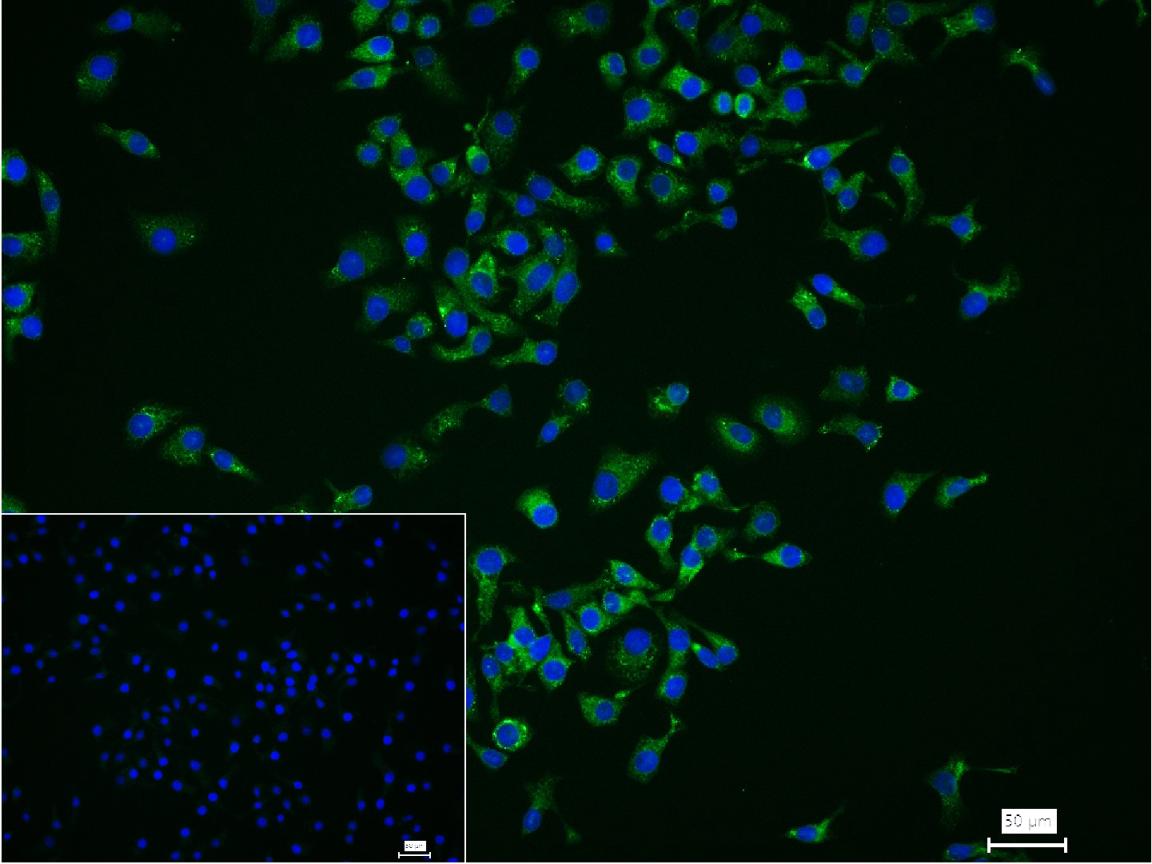
产品应用
| 应用 | 已检合格种属 | 预测种属 | 推荐稀释比例 |
|---|---|---|---|
| WB | Human | Mouse, Rat | 1:500-2000 |
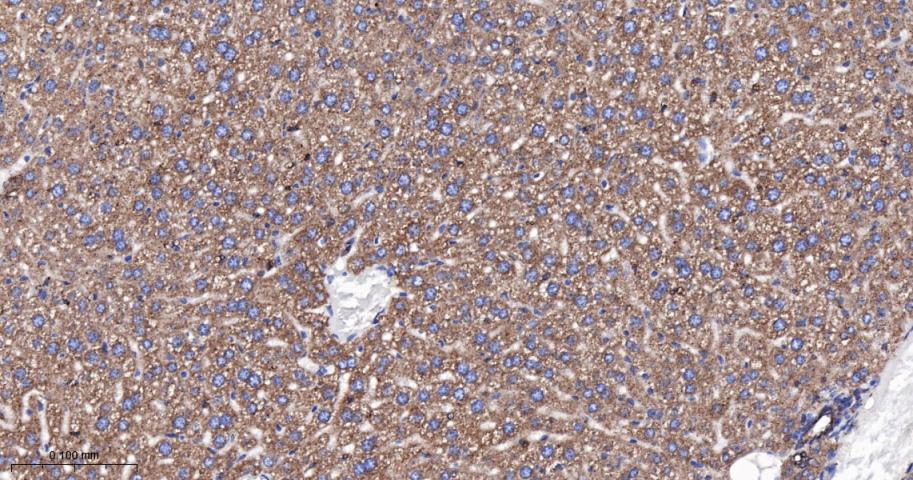
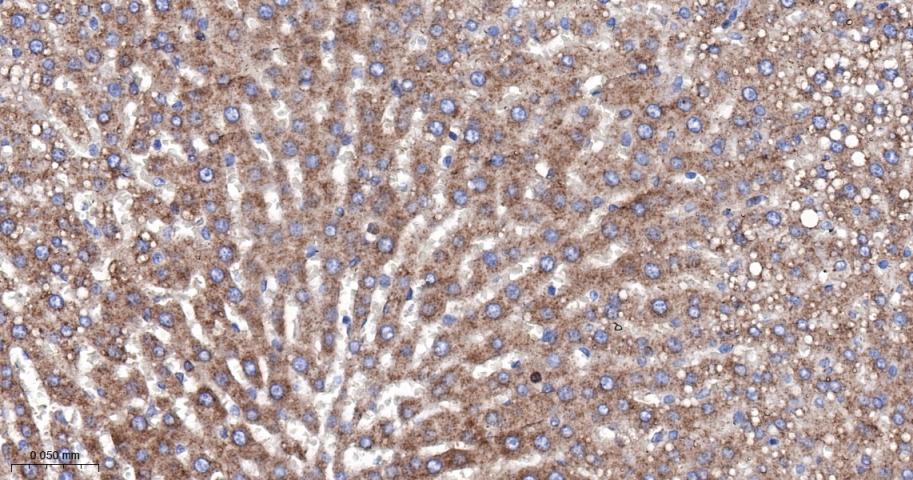
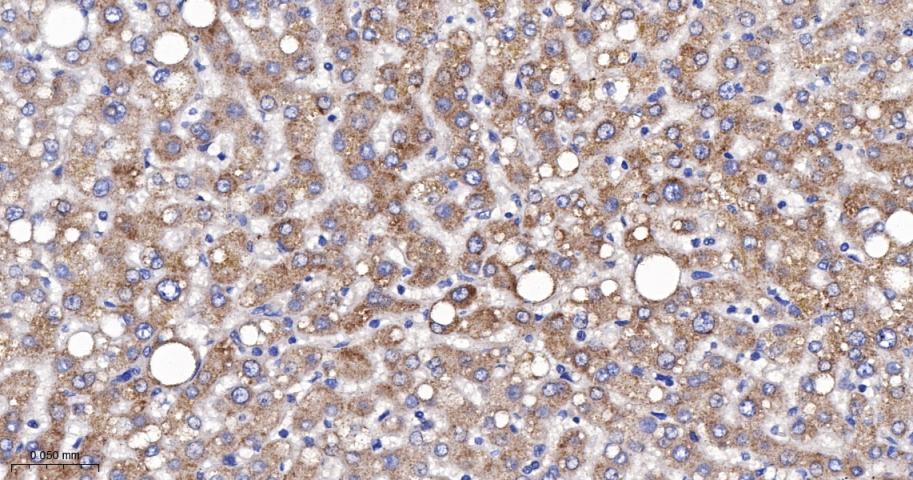
| IHC-P | Human, Mouse, Rat | 1:100-500 | |
| IHC-F | Human, Mouse, Rat | 1:100-500 | |
| IF | Human, Mouse, Rat | 1:100-500 | |
| ICC/IF | Human | Mouse, Rat | 1:50-200 |
交叉反应
交叉反应: Human, Mouse, Rat
相关产品
暂无相关产品
同靶标产品
相关文献
提示: 发表研究结果有使用 bsm-61408R 时请让我们知道,以便我们可以引用参考文章。作为回馈,资料提供者将获得我们送上的小礼品。