Sumo2/3 Recombinant Rabbit mAb (一抗) - IHC-P,IHC-F,IF,Flow-Cyt,ICC/IF | Bioss
Rrmab?兔单抗
货号:bsm-61351R
产品详情
相关标记
相关产品
相关文献
常见问题
概述
产品编号
bsm-61351R
产品类型
重组兔单抗
英文名称
Sumo2/3 Recombinant Rabbit mAb
中文名称
泛素样蛋白Sumo2/3重组兔单抗
英文别名
SUMO2_BOVIN; SUMO2; SUMO-2; Ubiquitin-like protein SMT3B (Smt3B); SMT3B; SUMO3_HUMAN; SUMO3; SUMO-3; SMT3 homolog 1; Ubiquitin-like protein SMT3A (Smt3A); SMT3A; SMT3H1; SUMO2_HUMAN; HSMT3; SMT3 homolog 2; Sentrin-2; SMT3H2; SUMO2_MOUSE; SUMO3_MOUSE; SUMO2_PIG; MIF2 suppressor; SUMO2_RAT; SUMO3_RAT; small ubiquitin like modifier 2; SMT3 (suppressor of mif two 3, yeast) homolog 2; SMT3 suppressor of mif two 3 homolog 2 (yeast); SMT3 suppressor of mif two 3 homolog 2 (S. cerevisiae)
抗体来源
Rabbit
免疫原
A synthesized peptide derived from human Sumo 2: 20-50
亚型
IgG
性状
Liquid
纯化方法
affinity purified by Protein A
克隆类型
Recombinant
克隆号
4G9
理论分子量
11,12 kDa
检测分子量
16 kDa
储存液
10mM phosphate buffered saline(pH 7.4) with 150mM sodium chloride, 0.05% BSA, 0.02% Proclin300 and 50% glycerol.
SWISS
Gene ID
保存条件
Store at 4℃ for short term. Store at -20℃ for long term. Avoid repeated freeze/thaw cycles.
注意事项
This product as supplied is intended for research use only, not for use in human, therapeutic or diagnostic applications.
数据库链接
背景资料
Small ubiquitin-related modifier 1, 2 and 3 (SUMO-1, -2 and -3) are members of the ubiquitin-like protein family. The covalent attachment of the SUMO-1, -2 or -3 (SUMOylation) to target proteins is analogous to ubiquitination. This post-translational modification is a reversible, multi-step process that is initiated by cleaving a precursor protein to a mature protein.
基因名
SUMO2
蛋白名
Small ubiquitin-related modifier 2
亚基
Homotrimer (Potential). Crystal packing analysis suggests a possible trimeric assembly, of which the biological significance remains to be determined. Interacts with SAE2 and UBE2I. Covalently attached to a number of proteins. Interacts with PELP1. Interacts with USP25; the interaction sumoylates USP25. Interacts with SIMC1, CASP8AP2, RNF111 AND SOBP (via SIM domains).
亚细胞定位
Nucleus. Nucleus, PML body.
组织特异性
Broadly expressed.
翻译后修饰
Polymeric chains can be formed through Lys-11 cross-linking. Polymeric SUMO2 chains undergo 'Lys-6'-, 'Lys-11'-, 'Lys-48'- and 'Lys-63'-linked polyubiquitination by RNF4.
Cleavage of precursor form by SENP1 or SENP2 is necessary for function.
Cleavage of precursor form by SENP1 or SENP2 is necessary for function.
相似性
Belongs to the ubiquitin family. SUMO subfamily.
Contains 1 ubiquitin-like domain.
Contains 1 ubiquitin-like domain.
功能
Ubiquitin-like protein that can be covalently attached to proteins as a monomer or as a lysine-linked polymer. Covalent attachment via an isopeptide bond to its substrates requires prior activation by the E1 complex SAE1-SAE2 and linkage to the E2 enzyme UBE2I, and can be promoted by an E3 ligase such as PIAS1-4, RANBP2 or CBX4. This post-translational modification on lysine residues of proteins plays a crucial role in a number of cellular processes such as nuclear transport, DNA replication and repair, mitosis and signal transduction. Polymeric SUMO2 chains are also susceptible to polyubiquitination which functions as a signal for proteasomal degradation of modified proteins.
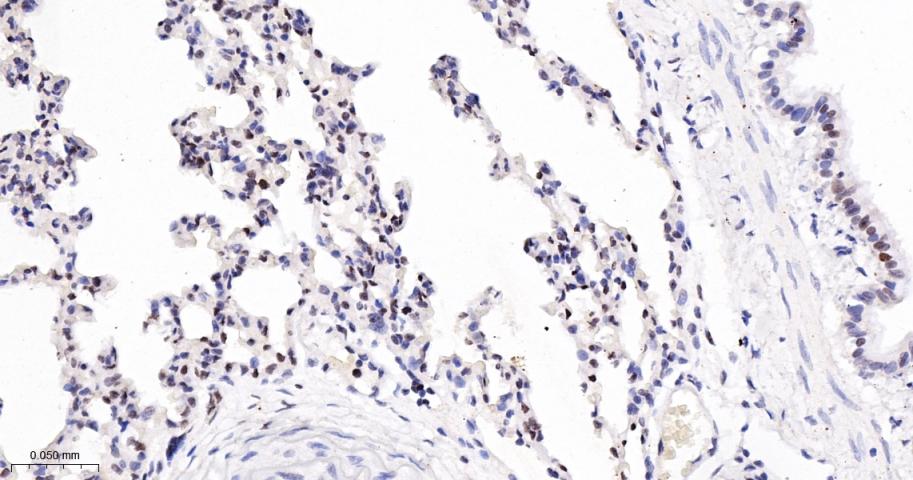
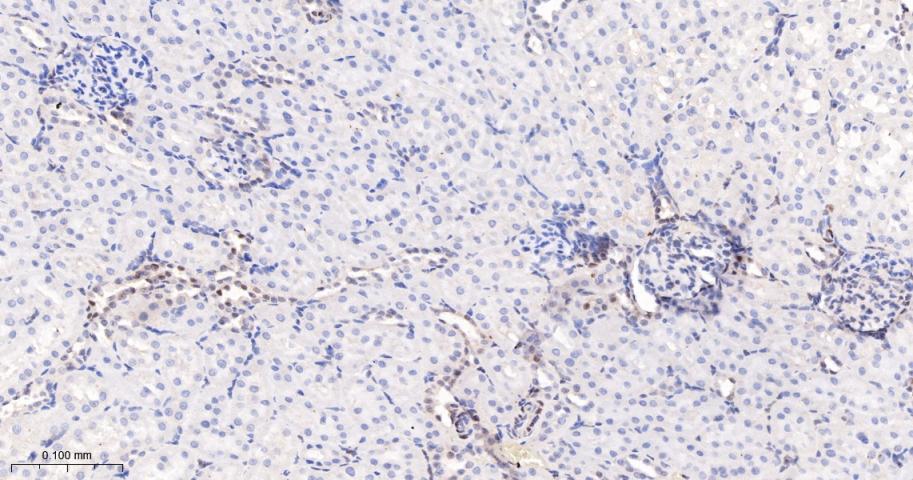
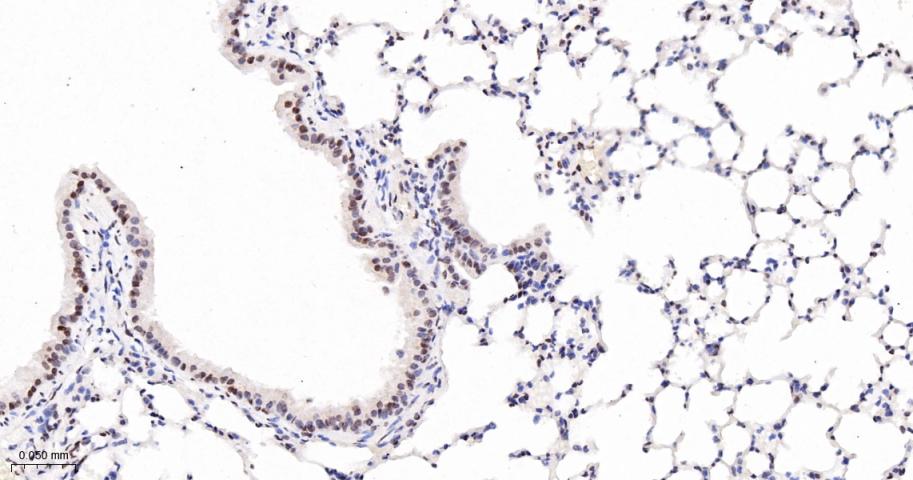
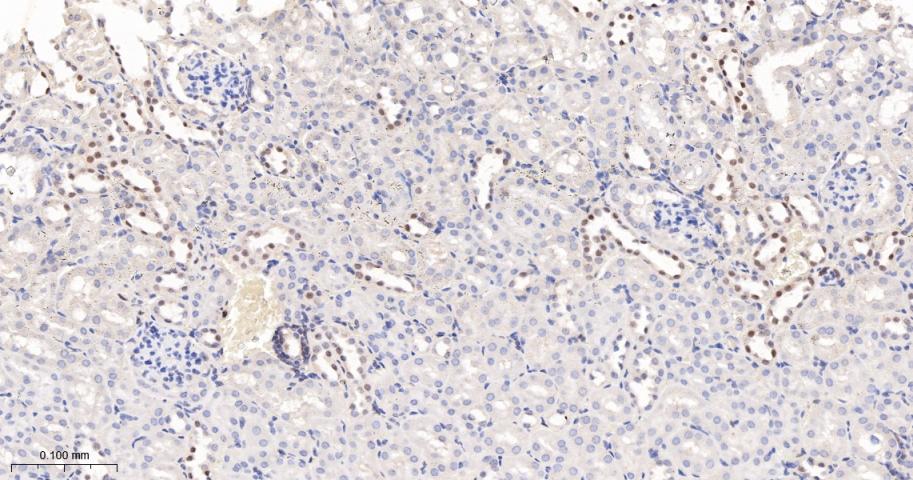
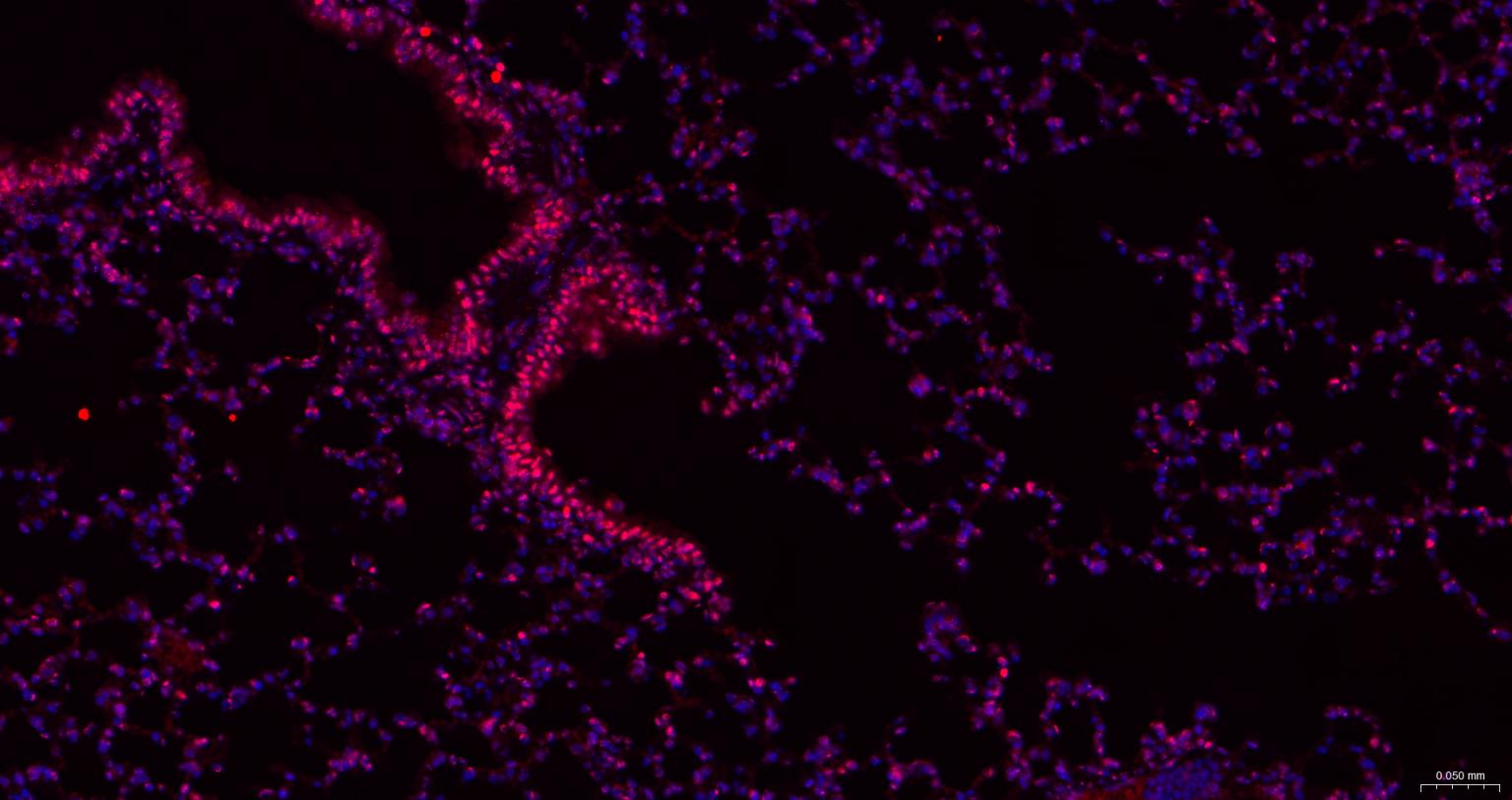
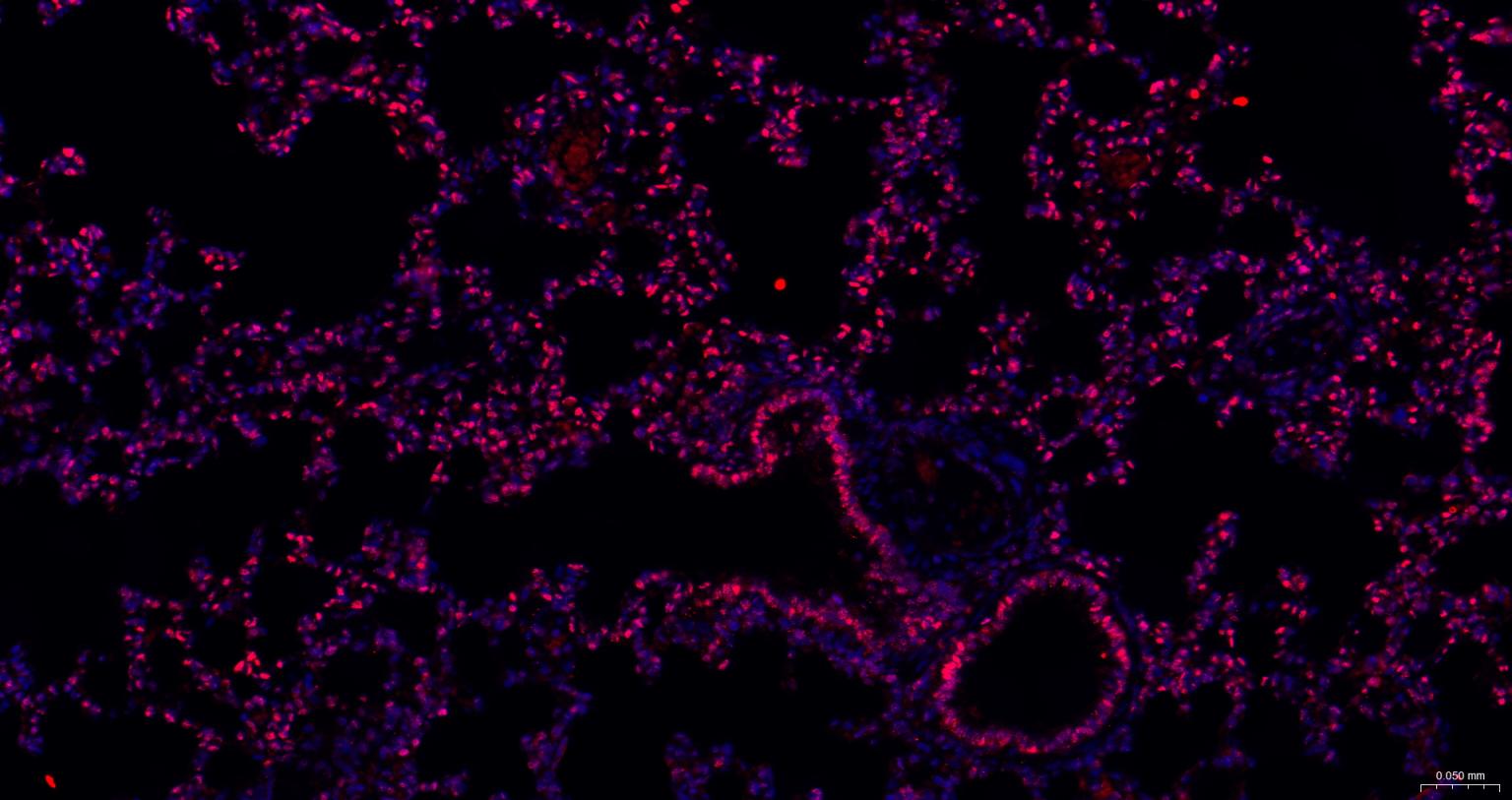
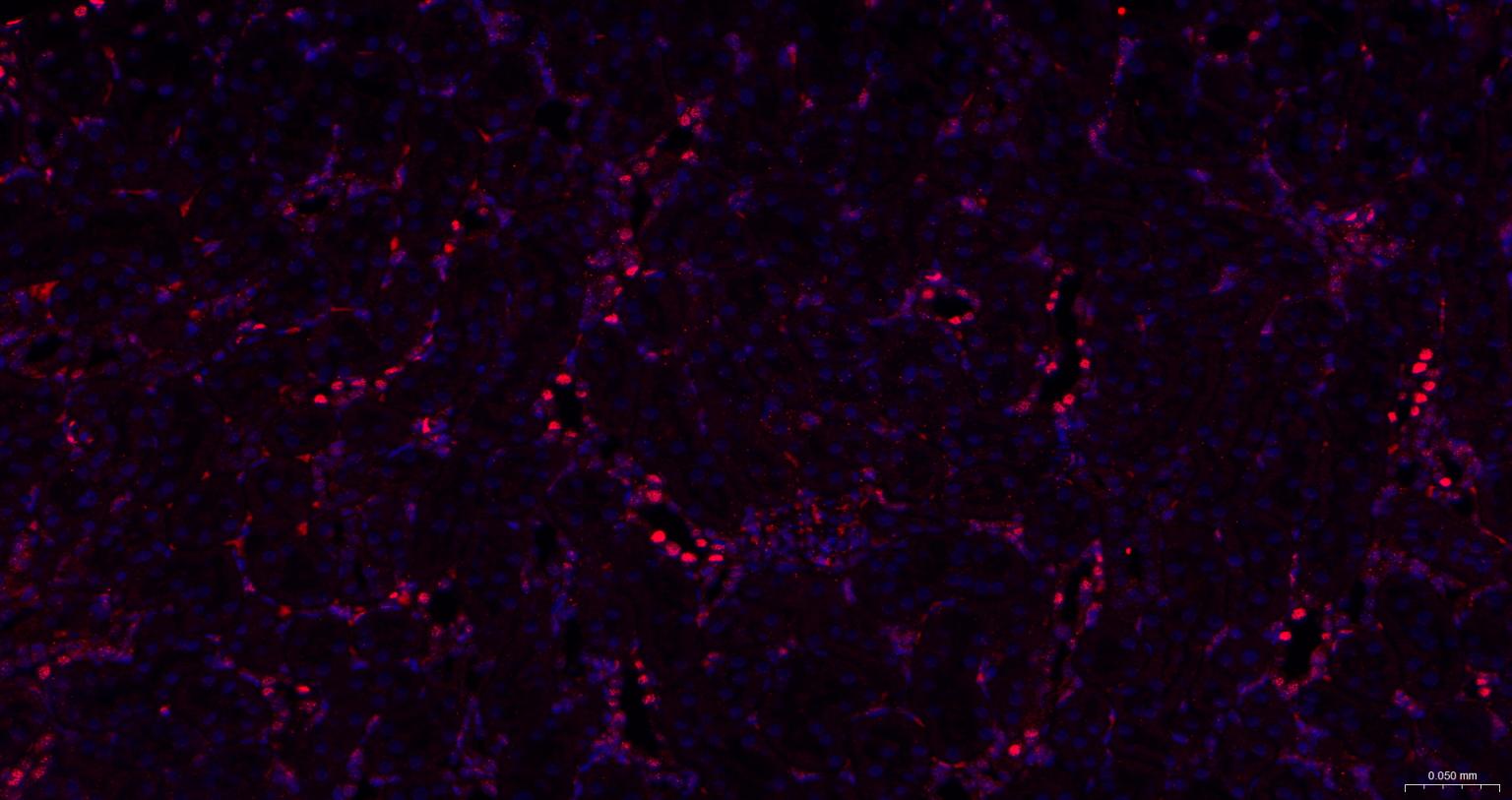
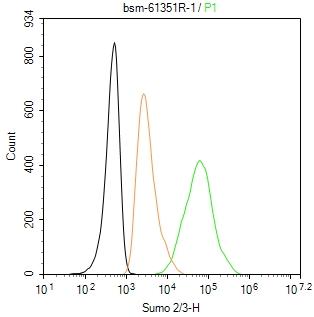
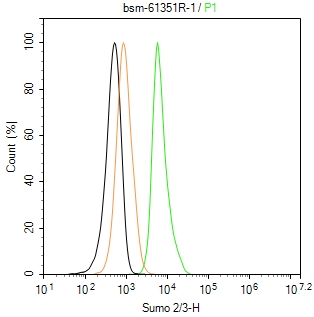
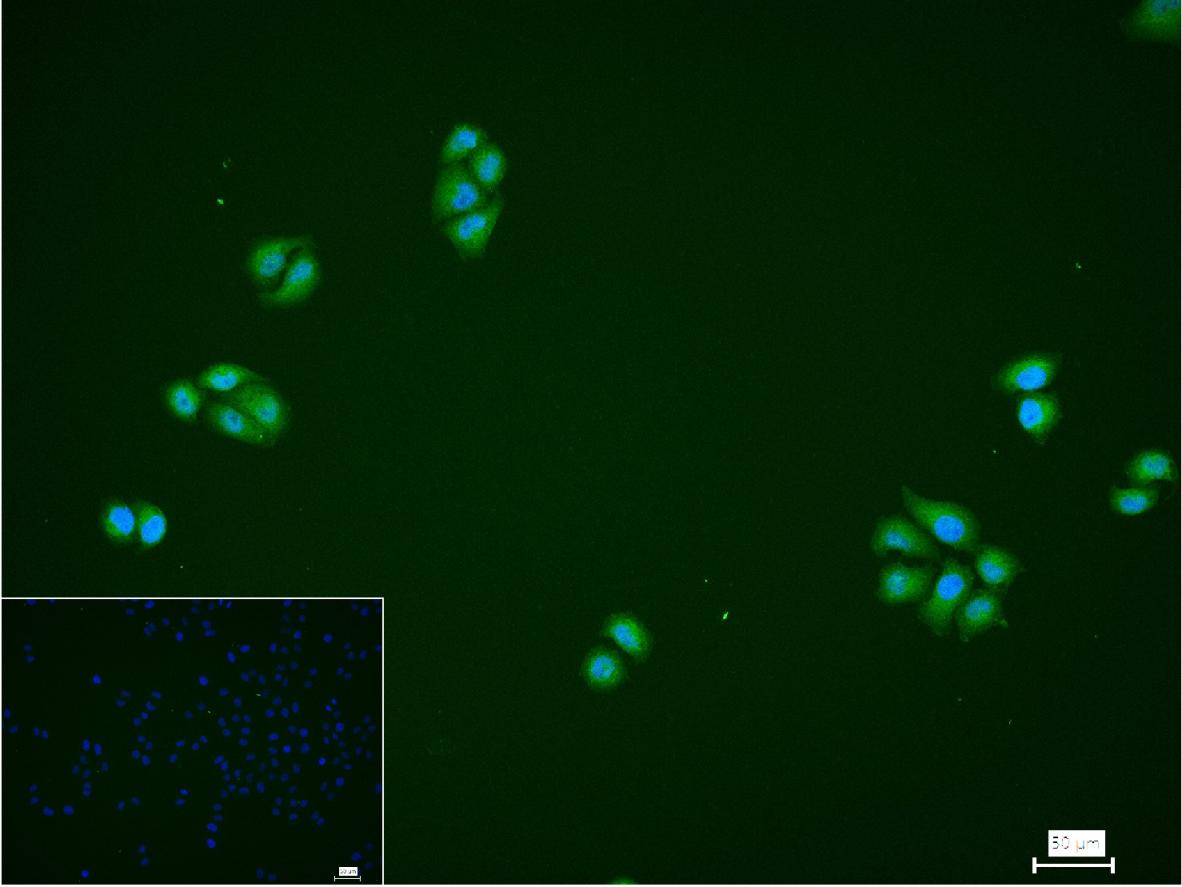
产品应用
| 应用 | 已检合格种属 | 预测种属 | 推荐稀释比例 |
|---|---|---|---|
| IHC-P | Mouse, Rat | Human | 1:50-200 |
| IHC-F | Mouse, Rat | Human | 1:50-200 |
| IF | Mouse, Rat | Human | 1:50-200 |
| Flow-Cyt | Human | Mouse, Rat | 1:50-100 |
| ICC/IF | Human | Mouse, Rat | 1:50-200 |
交叉反应
交叉反应: Human, Mouse, Rat
相关产品
暂无相关产品
同靶标产品
相关文献
提示: 发表研究结果有使用 bsm-61351R 时请让我们知道,以便我们可以引用参考文章。作为回馈,资料提供者将获得我们送上的小礼品。