beta Arrestin 1 Recombinant Rabbit mAb (一抗) - WB,IHC-P,IHC-F,IF,Flow-Cyt,ICC/IF | Bioss
Rrmab?兔单抗
货号:bsm-61185R
产品详情
相关标记
相关产品
相关文献
常见问题
概述
产品编号
bsm-61185R
产品类型
重组兔单抗
英文名称
beta Arrestin 1 Recombinant Rabbit mAb
中文名称
β-抑制蛋白1重组兔单抗
英文别名
ARB1; ARR1; 1200006I17Rik; G430100A01Rik; BARRES; ARRB1_HUMAN; ARRB1; Arrestin beta-1; Non-visual arrestin-2; ARRB1_MOUSE; ARRB1_RAT; arrestin beta 1; arrestin, beta 1; arrestin 2
抗体来源
Rabbit
免疫原
A synthesized peptide derived from human beta Arrestin 1: 1-48/418
亚型
IgG
性状
Liquid
纯化方法
affinity purified by Protein A
克隆类型
Recombinant
克隆号
7B5
理论分子量
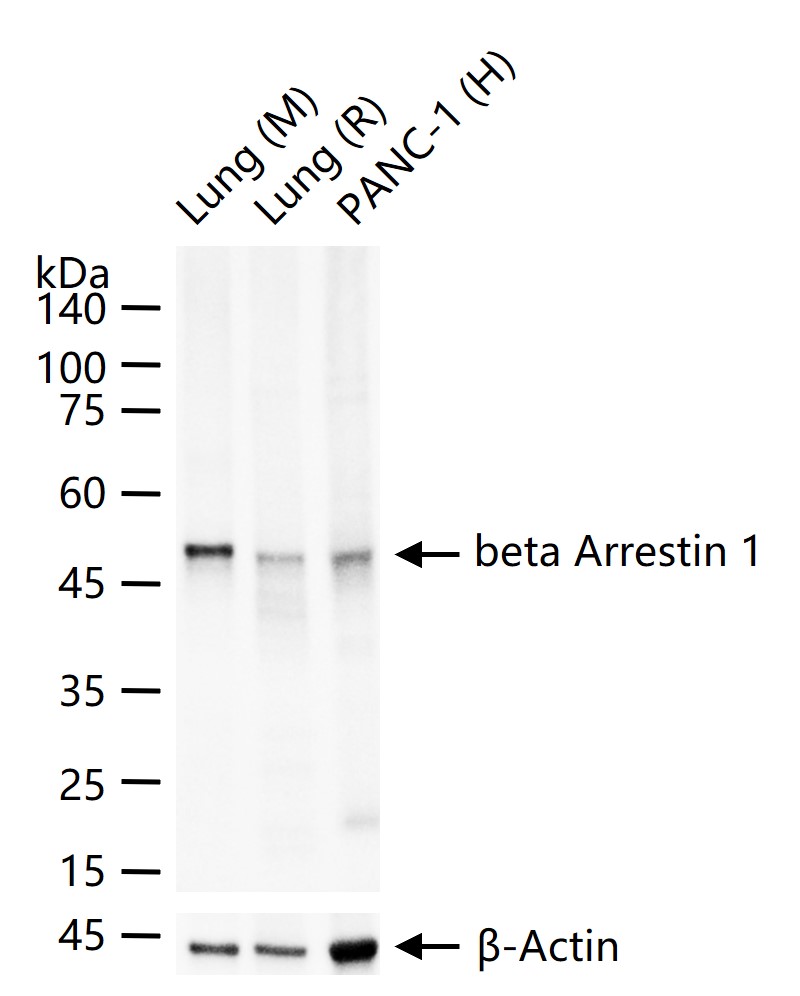
47 kDa
检测分子量
50 kDa
储存液
10mM phosphate buffered saline(pH 7.4) with 150mM sodium chloride, 0.05% BSA, 0.02% Proclin300 and 50% glycerol.
研究领域
Neuroscience > Neurology process > Neurodegenerative disease
Neuroscience > Neurotransmission > Receptors / Channels > Tyrosine Kinase Receptors
Signal Transduction > Signaling Pathway > G Protein Signaling > GPCR
Signal Transduction > Signaling Pathway > G Protein Signaling > Heterotrimeric G Proteins > Regulators
SWISS
Gene ID
保存条件
Store at 4℃ for short term. Store at -20℃ for long term. Avoid repeated freeze/thaw cycles.
注意事项
This product as supplied is intended for research use only, not for use in human, therapeutic or diagnostic applications.
数据库链接
产品介绍
β抑制因子-1是调节CD4+T细胞存活和自身免疫性的关键因子,与促进T淋巴细胞存活和自身免疫发病相关。经研究发现β-arrestin不仅仅能阻断蛋白合成,也能诱导蛋白合成,参与信号传导。
对Arrestins家族的研究-探究β-arrestin在G蛋白偶联受体信号传导通路中的地位和作用,是当今生物学中信号传导研究领域的热门课题.
β抑制因子-1又称“胰岛素受体复合体”,近年来国内外科研人员对β-arrestin在II型糖尿病发生的研究机制方面有了新的突破,认为:β-arrestin缺少或下降可直接导致了胰岛素耐受和II型糖尿病的发生。
β-arrestin1和β-arrestin2有高度的同源性
对Arrestins家族的研究-探究β-arrestin在G蛋白偶联受体信号传导通路中的地位和作用,是当今生物学中信号传导研究领域的热门课题.
β抑制因子-1又称“胰岛素受体复合体”,近年来国内外科研人员对β-arrestin在II型糖尿病发生的研究机制方面有了新的突破,认为:β-arrestin缺少或下降可直接导致了胰岛素耐受和II型糖尿病的发生。
β-arrestin1和β-arrestin2有高度的同源性
背景资料
Functions in regulating agonist-mediated G-protein coupled receptor (GPCR) signaling by mediating both receptor desensitization and resensitization processes. During homologous desensitization, beta-arrestins bind to the GPRK-phosphorylated receptor and sterically preclude its coupling to the cognate G-protein; the binding appears to require additional receptor determinants exposed only in the active receptor conformation.
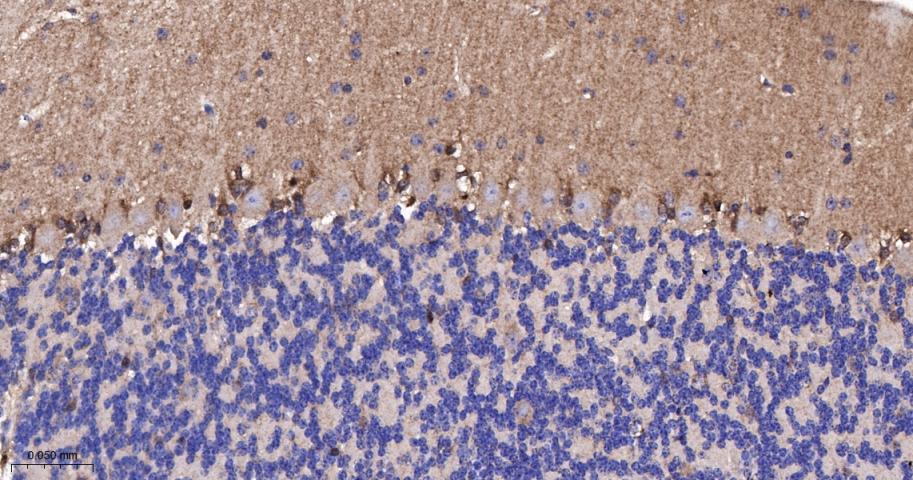
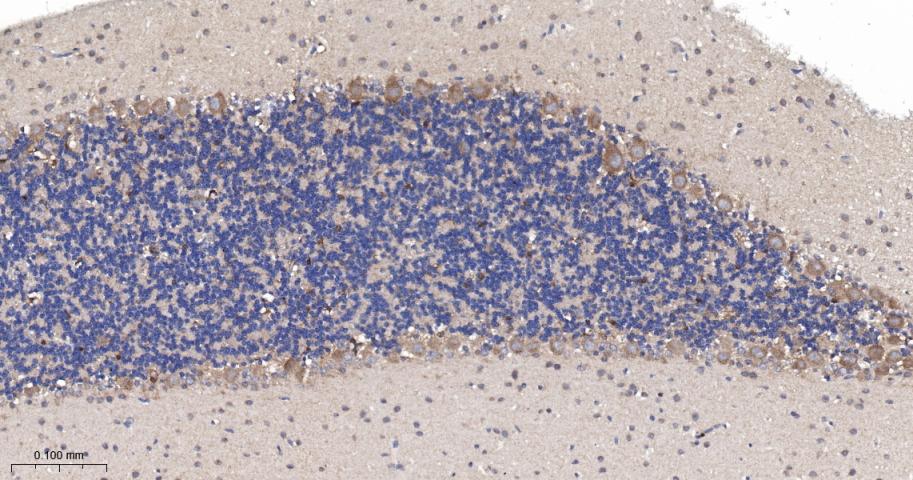
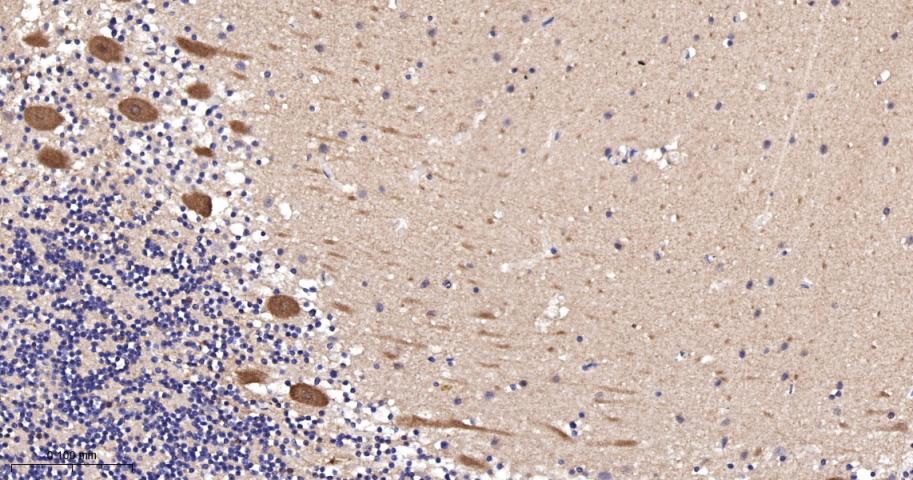
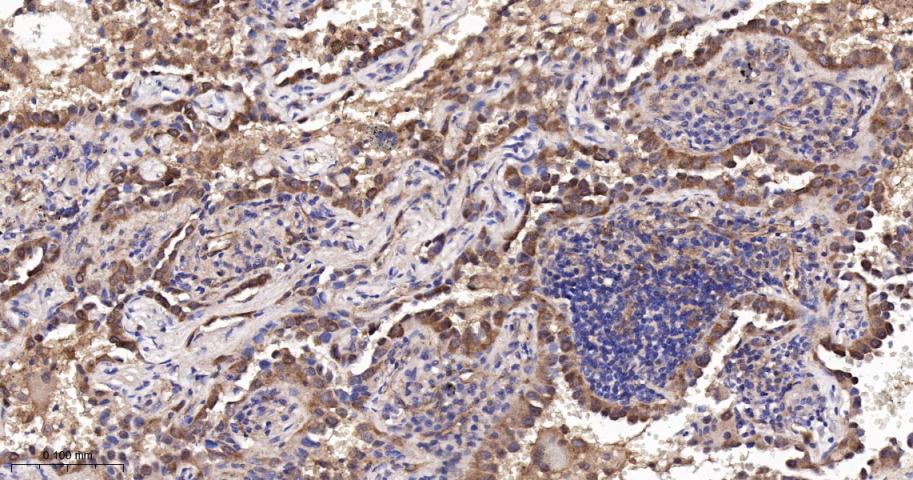
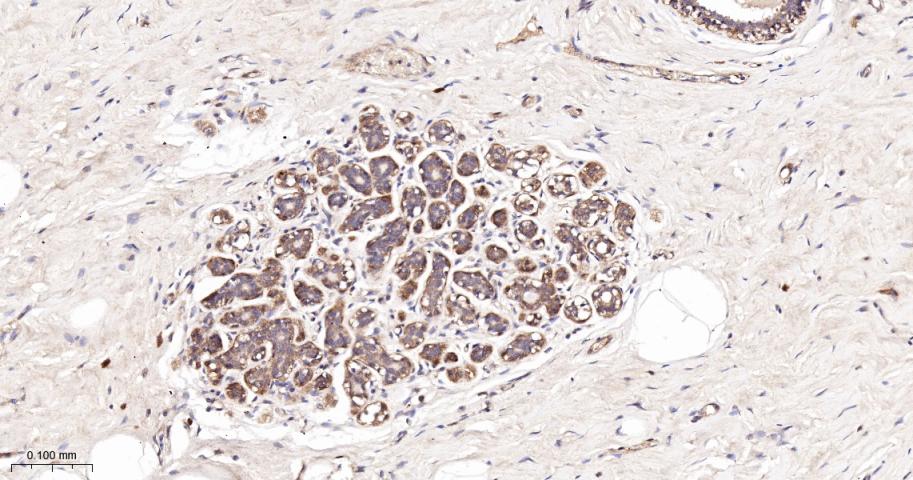
产品应用
| 应用 | 已检合格种属 | 预测种属 | 推荐稀释比例 |
|---|---|---|---|
| WB | Human, Mouse, Rat | 1:500-2000 | |
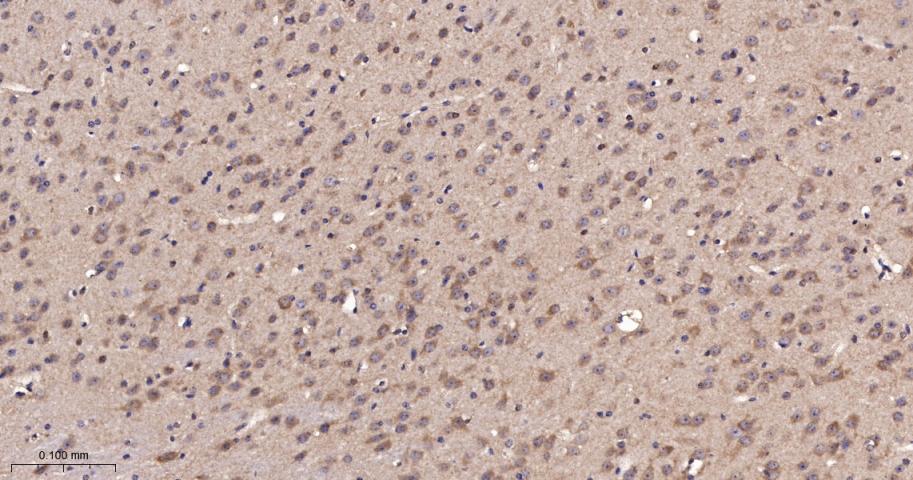
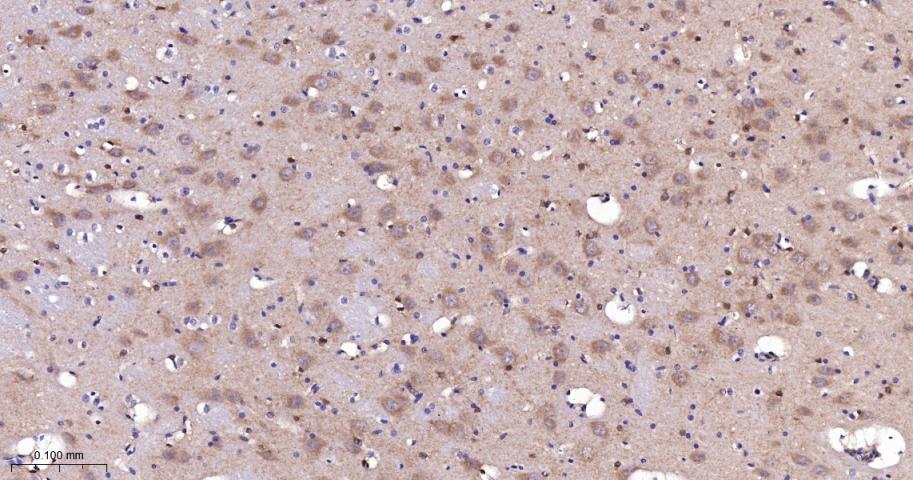
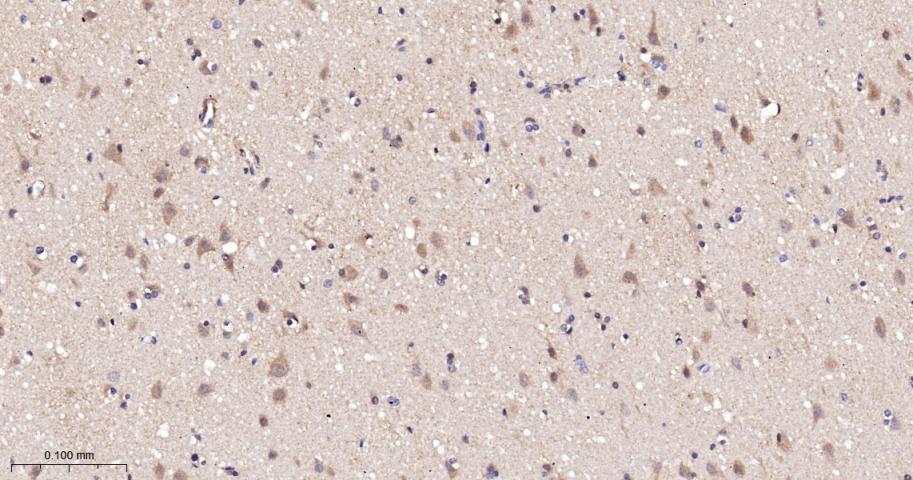
| IHC-P | Human, Mouse, Rat | 1:100-500 | |
| IHC-F | Human, Mouse, Rat | 1:100-500 | |
| IF | Human, Mouse, Rat | 1:100-500 | |
| Flow-Cyt | Human, Mouse, Rat | 1:50-100 | |
| ICC/IF | Human, Mouse, Rat | 1:50-200 |
交叉反应
交叉反应: Human, Mouse, Rat
相关产品
暂无相关产品
靶标
基因名
ARRB1
蛋白名
beta-arrestin-1
亚基
Monomer. Homodimer. Homooligomer; the self-association is mediated by InsP6-binding. Heterooligomer with ARRB2; the association is mediated by InsP6-binding. Interacts with GPR143. Interacts with ADRB2 (phosphorylated). Interacts with CHRM2 (phosphorylated). Interacts with LHCGR. Interacts with CYTH2 and CASR. Interacts with AP2B1 (dephosphorylated at 'Tyr-737'); phosphorylation of AP2B1 at 'Tyr-737' disrupts the interaction. Interacts (dephosphorylated at Ser-412) with CLTC. Interacts with CCR2 and ADRBK1. Interacts with CRR5. Interacts with PTAFR (phosphorylated on serine residues). Interacts with CLTC and MAP2K3. Interacts with CREB1. Interacts with TRAF6. Interacts with IGF1R and MDM2. Interacts with C5AR1. Interacts with PDE4D. Interacts with SRC (via the SH3 domain and the protein kinase domain); the interaction is independent of the phosphorylation state of SRC C-terminus. Interacts with TACR1. Interacts with RAF1. Interacts with CHUK, IKBKB and MAP3K14. Interacts with DVL1; the interaction is enhanced by phosphorylation of DVL1. Interacts with DVL2; the interaction is enhanced by phosphorylation of DVL2. Interacts with IGF1R. Associates with MAP kinase p38. Part of a MAPK signaling complex consisting of TACR1, ARRB1, SRC, MAPK1 (activated) and MAPK3 (activated). Part of a MAPK signaling complex consisting of F2RL1, ARRB1, RAF1, MAPK1 (activated) and MAPK3 (activated) (By similarity). Interacts with MAP2K4/MKK4. Interacts with HCK and CXCR1 (phosphorylated).
亚细胞定位
Cytoplasm. Nucleus. Cell membrane. Membrane, clathrin-coated pit (Probable). Cell projection, pseudopodium. Cytoplasmic vesicle. Note=Translocates to the plasma membrane and colocalizes with antagonist-stimulated GPCRs. The monomeric form is predominantly located in the nucleus. The oligomeric form is located in the cytoplasm. Translocates to the nucleus upon stimulation of OPRD1.
翻译后修饰
Constitutively phosphorylated at Ser-412 in the cytoplasm. At the plasma membrane, is rapidly dephosphorylated, a process that is required for clathrin binding and ADRB2 endocytosis but not for ADRB2 binding and desensitization. Once internalized, is rephosphorylated.
The ubiquitination status appears to regulate the formation and trafficking of beta-arrestin-GPCR complexes and signaling. Ubiquitination appears to occur GPCR-specific. Ubiquitinated by MDM2; the ubiquitination is required for rapid internalization of ADRB2. Deubiquitinated by USP33; the deubiquitination leads to a dissociation of the beta-arrestin-GPCR complex. Stimulation of a class A GPCR, such as ADRB2, induces transient ubiquitination and subsequently promotes association with USP33.
The ubiquitination status appears to regulate the formation and trafficking of beta-arrestin-GPCR complexes and signaling. Ubiquitination appears to occur GPCR-specific. Ubiquitinated by MDM2; the ubiquitination is required for rapid internalization of ADRB2. Deubiquitinated by USP33; the deubiquitination leads to a dissociation of the beta-arrestin-GPCR complex. Stimulation of a class A GPCR, such as ADRB2, induces transient ubiquitination and subsequently promotes association with USP33.
相似性
Belongs to the arrestin family.
功能
Functions in regulating agonist-mediated G-protein coupled receptor (GPCR) signaling by mediating both receptor desensitization and resensitization processes. During homologous desensitization, beta-arrestins bind to the GPRK-phosphorylated receptor and sterically preclude its coupling to the cognate G-protein; the binding appears to require additional receptor determinants exposed only in the active receptor conformation. The beta-arrestins target many receptors for internalization by acting as endocytic adapters (CLASPs, clathrin-associated sorting proteins) and recruiting the GPRCs to the adapter protein 2 complex 2 (AP-2) in clathrin-coated pits (CCPs). However, the extent of beta-arrestin involvement appears to vary significantly depending on the receptor, agonist and cell type. Internalized arrestin-receptor complexes traffic to intracellular endosomes, where they remain uncoupled from G-proteins. Two different modes of arrestin-mediated internalization occur. Class A receptors, like ADRB2, OPRM1, ENDRA, D1AR and ADRA1B dissociate from beta-arrestin at or near the plasma membrane and undergo rapid recycling. Class B receptors, like AVPR2, AGTR1, NTSR1, TRHR and TACR1 internalize as a complex with arrestin and traffic with it to endosomal vesicles, presumably as desensitized receptors, for extended periods of time. Receptor resensitization then requires that receptor-bound arrestin is removed so that the receptor can be dephosphorylated and returned to the plasma membrane. Involved in internalization of P2RY4 and UTP-stimulated internalization of P2RY2. Involved in phosphorylation-dependent internalization of OPRD1 ands subsequent recycling. Involved in the degradation of cAMP by recruiting cAMP phosphodiesterases to ligand-activated receptors. Beta-arrestins function as multivalent adapter proteins that can switch the GPCR from a G-protein signaling mode that transmits short-lived signals from the plasma membrane via small molecule second messengers and ion channels to a beta-arrestin signaling mode that transmits a distinct set of signals that are initiated as the receptor internalizes and transits the intracellular compartment. Acts as signaling scaffold for MAPK pathways such as MAPK1/3 (ERK1/2). ERK1/2 activated by the beta-arrestin scaffold is largely excluded from the nucleus and confined to cytoplasmic locations such as endocytic vesicles, also called beta-arrestin signalosomes. Recruits c-Src/SRC to ADRB2 resulting in ERK activation. GPCRs for which the beta-arrestin-mediated signaling relies on both ARRB1 and ARRB2 (codependent regulation) include ADRB2, F2RL1 and PTH1R. For some GPCRs the beta-arrestin-mediated signaling relies on either ARRB1 or ARRB2 and is inhibited by the other respective beta-arrestin form (reciprocal regulation). Inhibits ERK1/2 signaling in AGTR1- and AVPR2-mediated activation (reciprocal regulation). Is required for SP-stimulated endocytosis of NK1R and recruits c-Src/SRC to internalized NK1R resulting in ERK1/2 activation, which is required for the antiapoptotic effects of SP. Is involved in proteinase-activated F2RL1-mediated ERK activity. Acts as signaling scaffold for the AKT1 pathway. Is involved in alpha-thrombin-stimulated AKT1 signaling. Is involved in IGF1-stimulated AKT1 signaling leading to increased protection from apoptosis. Involved in activation of the p38 MAPK signaling pathway and in actin bundle formation. Involved in F2RL1-mediated cytoskeletal rearrangement and chemotaxis. Involved in AGTR1-mediated stress fiber formation by acting together with GNAQ to activate RHOA. Appears to function as signaling scaffold involved in regulation of MIP-1-beta-stimulated CCR5-dependent chemotaxis. Involved in attenuation of NF-kappa-B-dependent transcription in response to GPCR or cytokine stimulation by interacting with and stabilizing CHUK. May serve as nuclear messenger for GPCRs. Involved in OPRD1-stimulated transcriptional regulation by translocating to CDKN1B and FOS promoter regions and recruiting EP300 resulting in acetylation of histone H4. Involved in regulation of LEF1 transcriptional activity via interaction with DVL1 and/or DVL2 Also involved in regulation of receptors other than GPCRs. Involved in Toll-like receptor and IL-1 receptor signaling through the interaction with TRAF6 which prevents TRAF6 autoubiquitination and oligomerization required for activation of NF-kappa-B and JUN. Binds phosphoinositides. Binds inositolhexakisphosphate (InsP6). Involved in IL8-mediated granule release in neutrophils.
同靶标产品
相关文献
提示: 发表研究结果有使用 bsm-61185R 时请让我们知道,以便我们可以引用参考文章。作为回馈,资料提供者将获得我们送上的小礼品。