PTGER2 Recombinant Rabbit mAb (一抗) - IHC-P,IHC-F,IF | Bioss
Rrmab?兔单抗
货号:bsm-61050R
产品详情
相关标记
相关产品
相关文献
常见问题
概述
产品编号
bsm-61050R
产品类型
重组兔单抗
英文名称
PTGER2 Recombinant Rabbit mAb
中文名称
列腺素E2受体2重组兔单抗
英文别名
COX-2; EP2; Ptgerep2; Ptger-ep2; PE2R2_HUMAN; PTGER2; PGE receptor EP2 subtype; PGE2 receptor EP2 subtype; Prostanoid EP2 receptor; PE2R2_MOUSE; PE2R2_RAT; prostaglandin E receptor 2; prostaglandin E receptor 2 (subtype EP2), 53kD; prostaglandin E receptor 2 (subtype EP2), 53kDa
抗体来源
Rabbit
免疫原
A synthesized peptide derived from human PTGER2: 320-358/358
亚型
IgG
性状
Liquid
纯化方法
affinity purified by Protein A
克隆类型
Recombinant
克隆号
2F16
理论分子量
40 kDa
储存液
0.01M TBS(pH7.4) with 1% BSA, 0.02% Proclin300 and 50% Glycerol.
研究领域
SWISS
Gene ID
保存条件
Shipped at 4℃. Store at -20 °C for one year. Avoid repeated freeze/thaw cycles.
注意事项
This product as supplied is intended for research use only, not for use in human, therapeutic or diagnostic applications.
数据库链接
背景资料
Prostaglandins are produced by the metabolism of arachidonic acid. Prostaglandin E2 is one of the five physiologically significant prostanoids known. Its wide spectrum of physiologic and pharmacologic effects in various tissues is mediated through binding to the Prostaglandin E2 receptors (EP1, EP2, EP3 & EP4). These include effects on the immune, endocrine, cardiovascular, renal and reproductive systems as well as smooth muscle. It is also one of the most abundant of the prostanoid family in the brain where it plays an important role in many neural functions, particularly in newborn babies, and as a mediator of inflammation. Prostaglandin E2 signals through a family of G-protein coupled receptors known as EP receptors. There are 4 subtypes of EP receptors, known as EP1, EP2, EP3 and EP4. EP2 receptors are 358 amino acid proteins with a short third intracellular loop. EP2 receptors stimulate adenylyl cyclase by their coupling to Gs and do not undergo Prostaglandin E2 induced internalization. The EP2 receptors is involved with the contration and relaxation of smooth muscle tissue. These receptors are mainly localized in lung and placental tissues and in smooth muscle.
基因名
PTGER2
蛋白名
Prostaglandin E2 receptor EP2 subtype
亚细胞定位
Cell membrane; Multi-pass membrane protein.
组织特异性
Placenta and lung.
相似性
Belongs to the G-protein coupled receptor 1 family.
功能
Receptor for prostaglandin E2 (PGE2). The activity of this receptor is mediated by G(s) proteins that stimulate adenylate cyclase. The subsequent raise in intracellular cAMP is responsible for the relaxing effect of this receptor on smooth muscle.
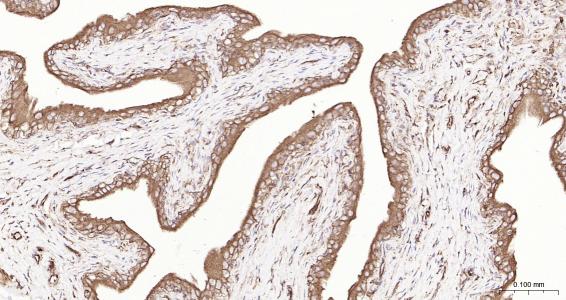
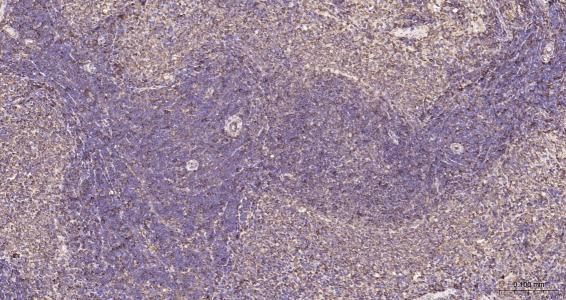
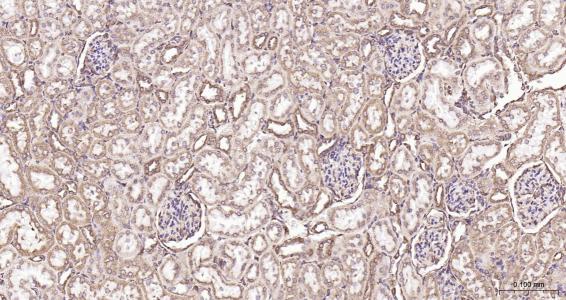
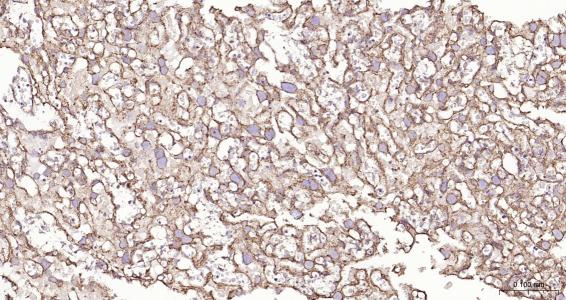
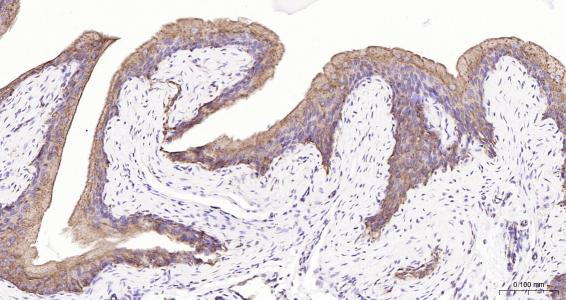
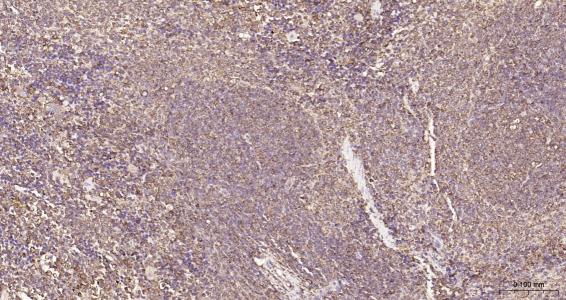
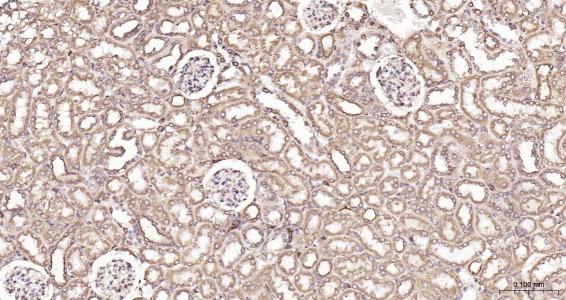
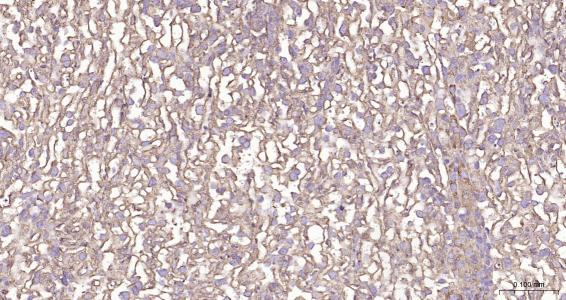
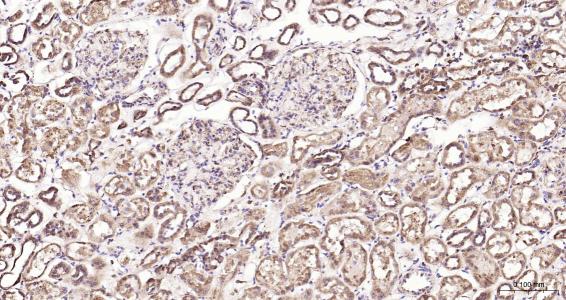
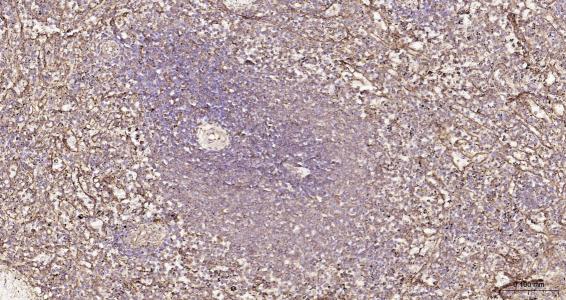
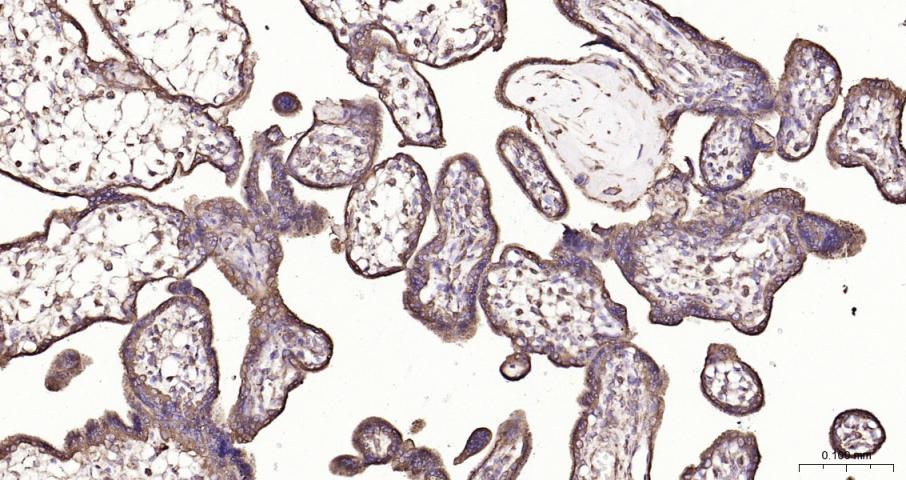
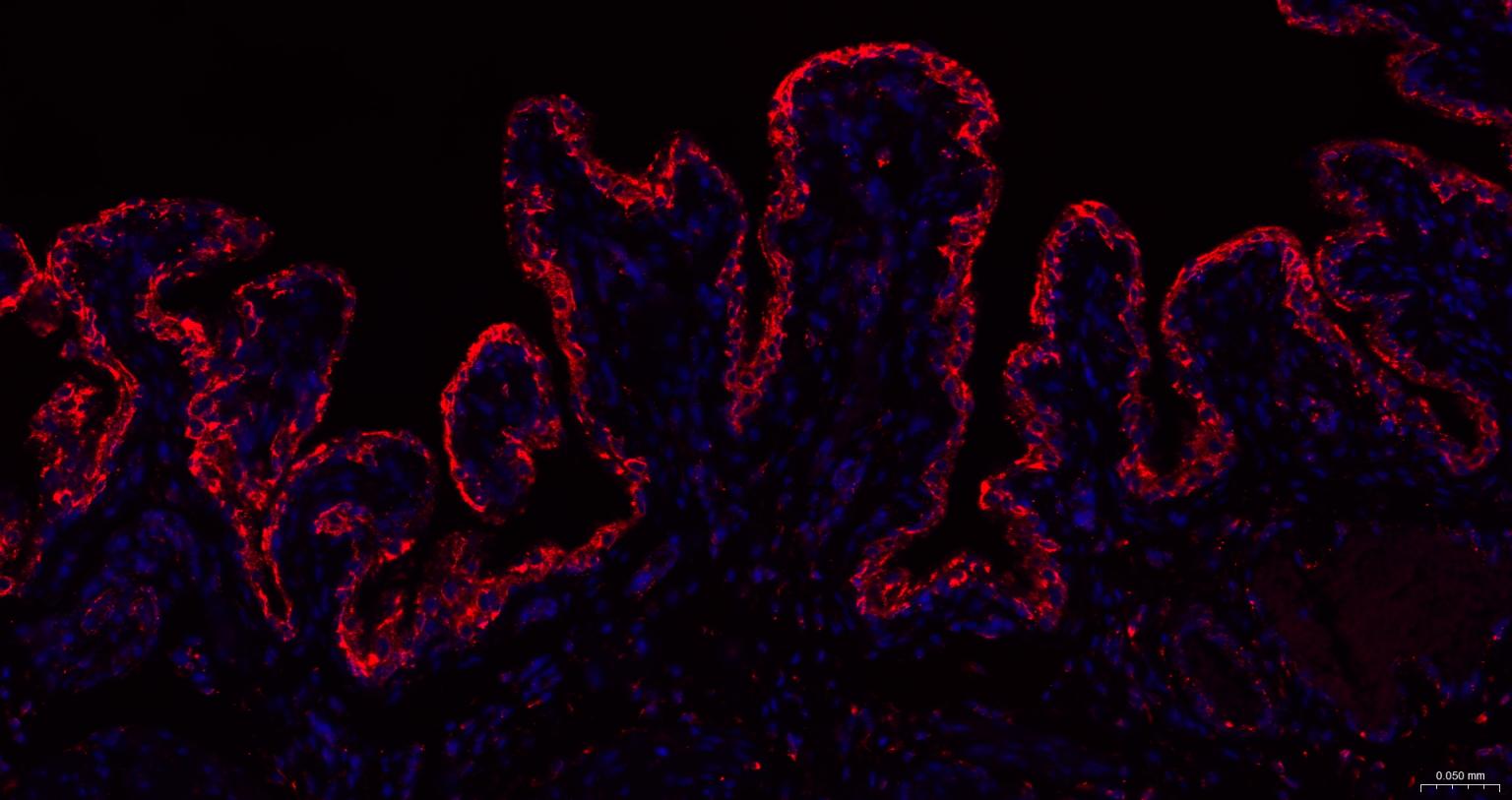
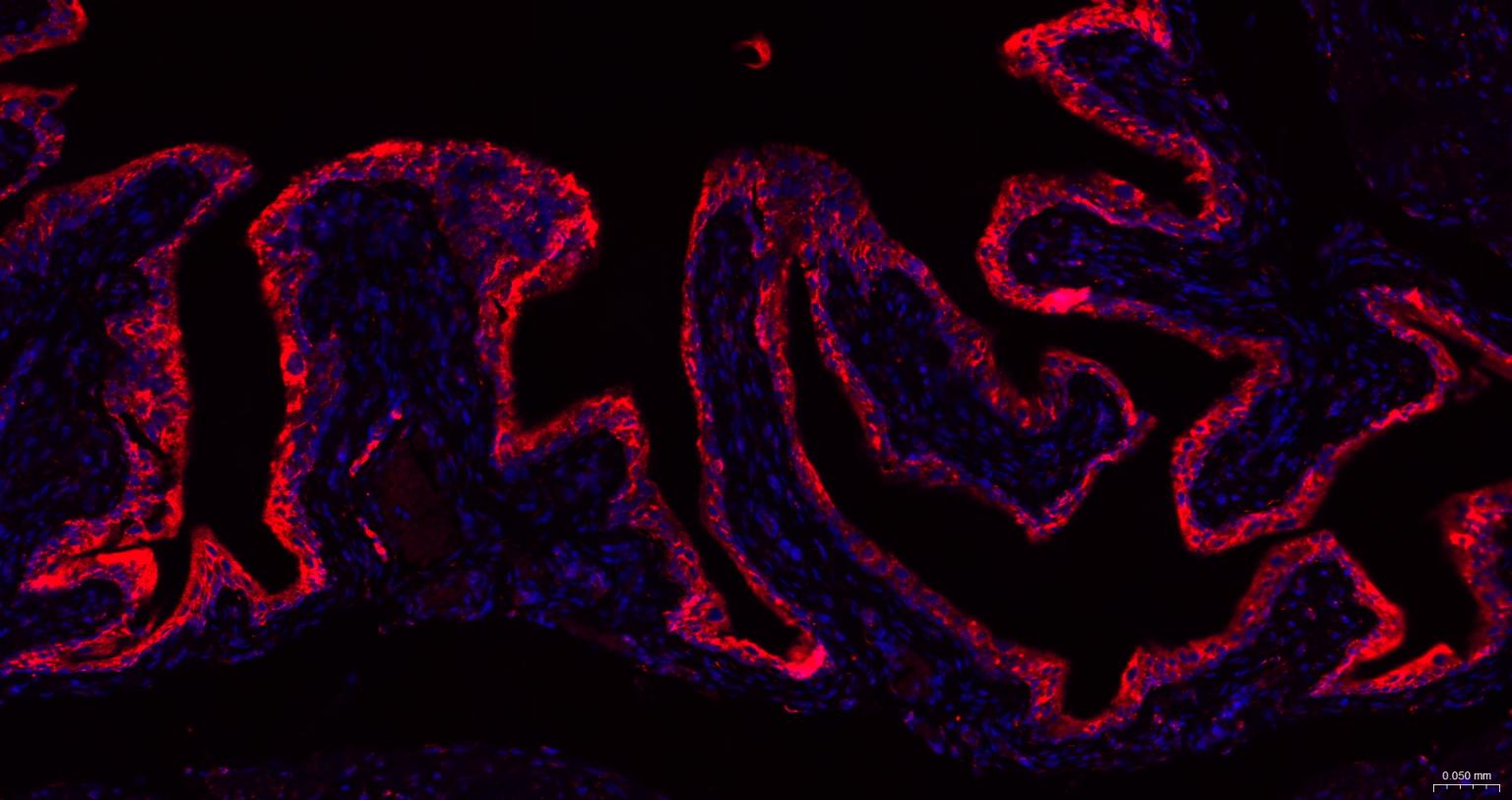
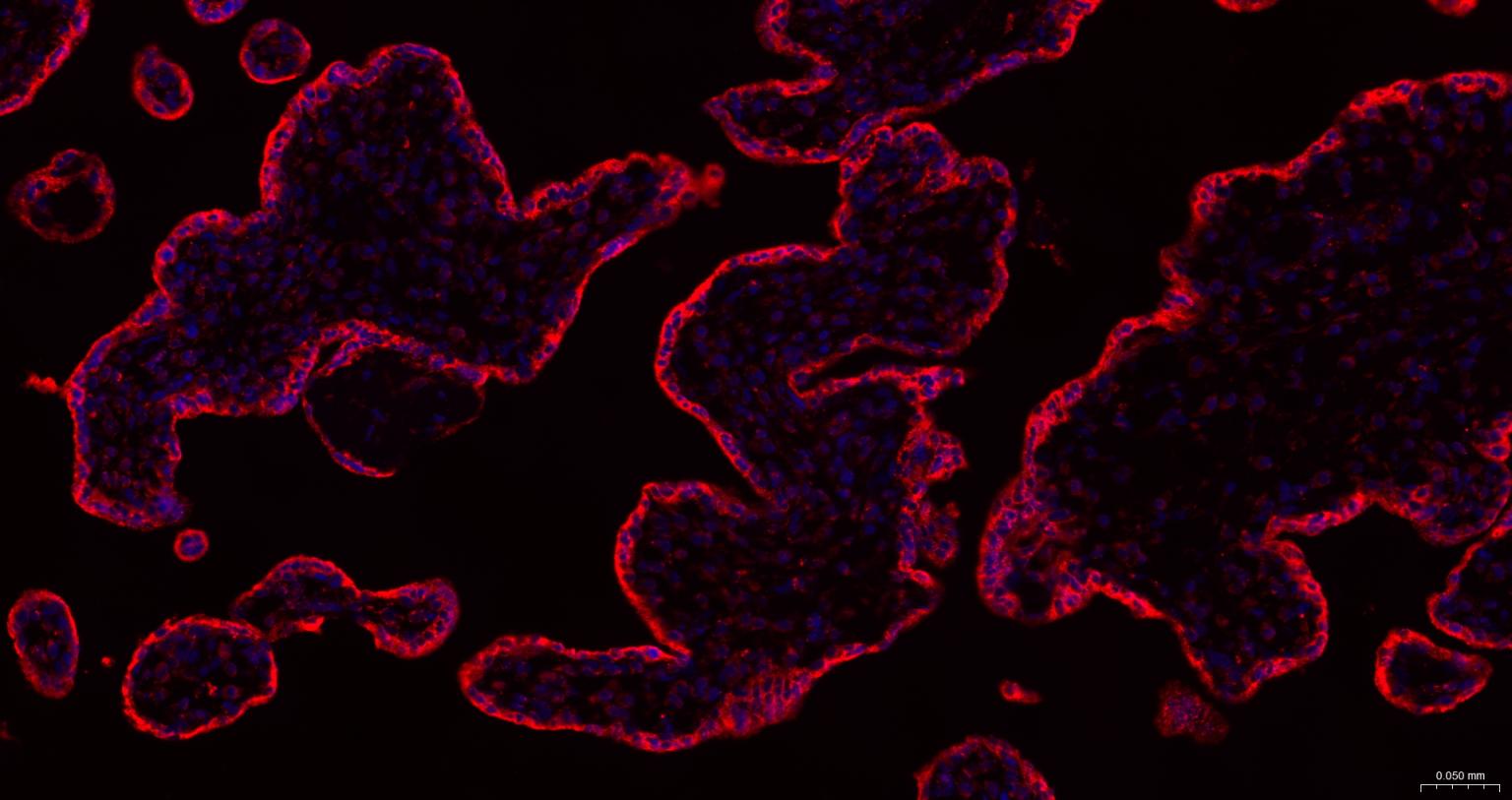
产品应用
| 应用 | 已检合格种属 | 预测种属 | 推荐稀释比例 |
|---|---|---|---|
| IHC-P | Human, Mouse, Rat | 1:100-500 | |
| IHC-F | Human, Mouse, Rat | 1:100-500 | |
| IF | Human, Mouse, Rat | 1:100-500 |
交叉反应
交叉反应: Human, Mouse, Rat
相关产品
暂无相关产品
同靶标产品
相关文献
提示: 发表研究结果有使用 bsm-61050R 时请让我们知道,以便我们可以引用参考文章。作为回馈,资料提供者将获得我们送上的小礼品。