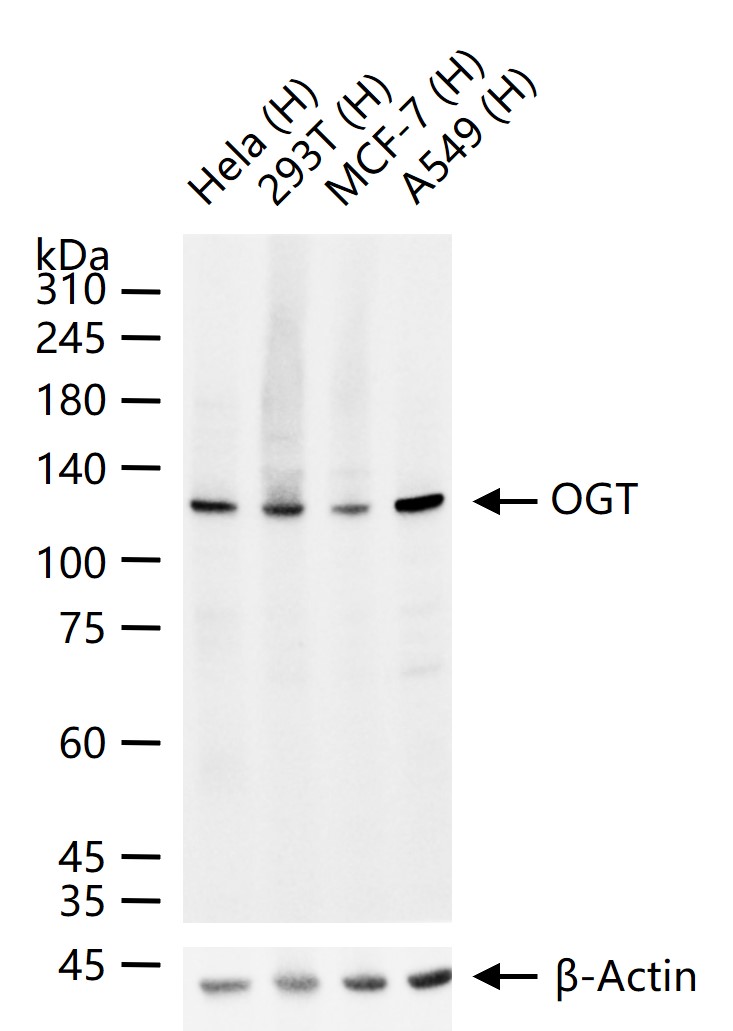
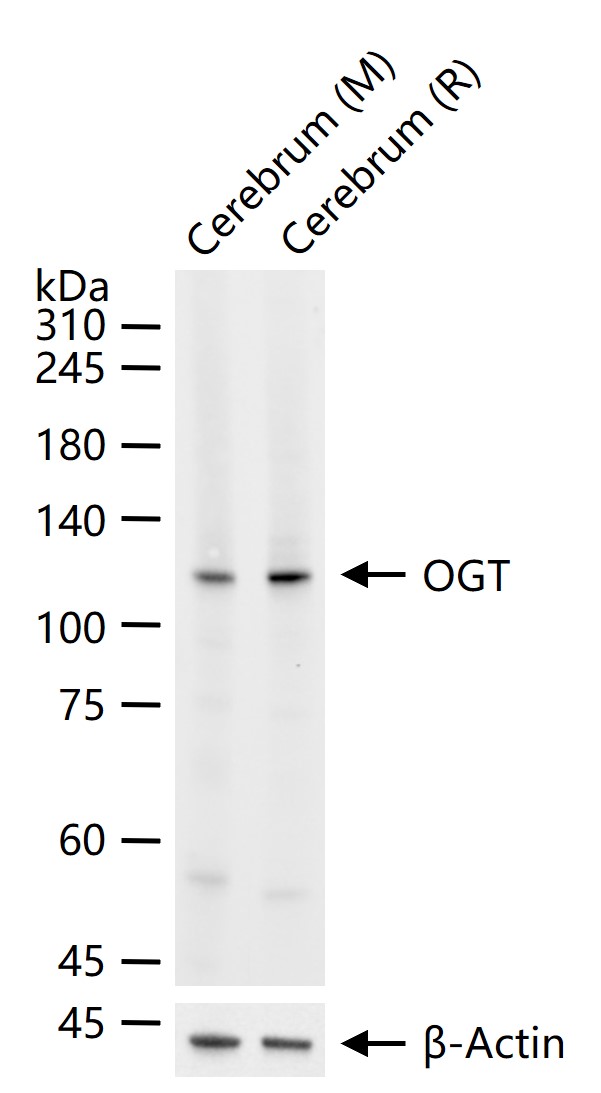
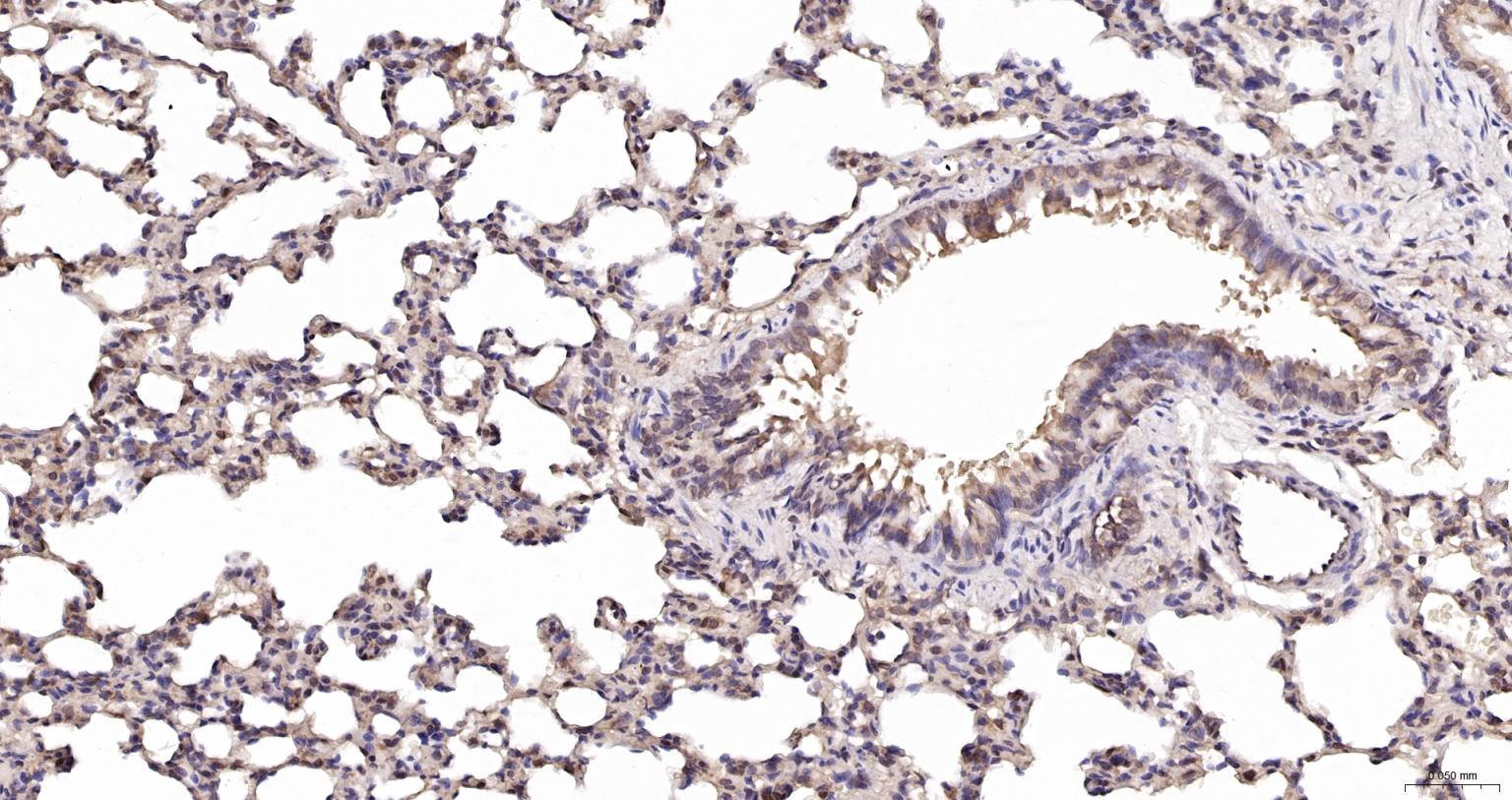
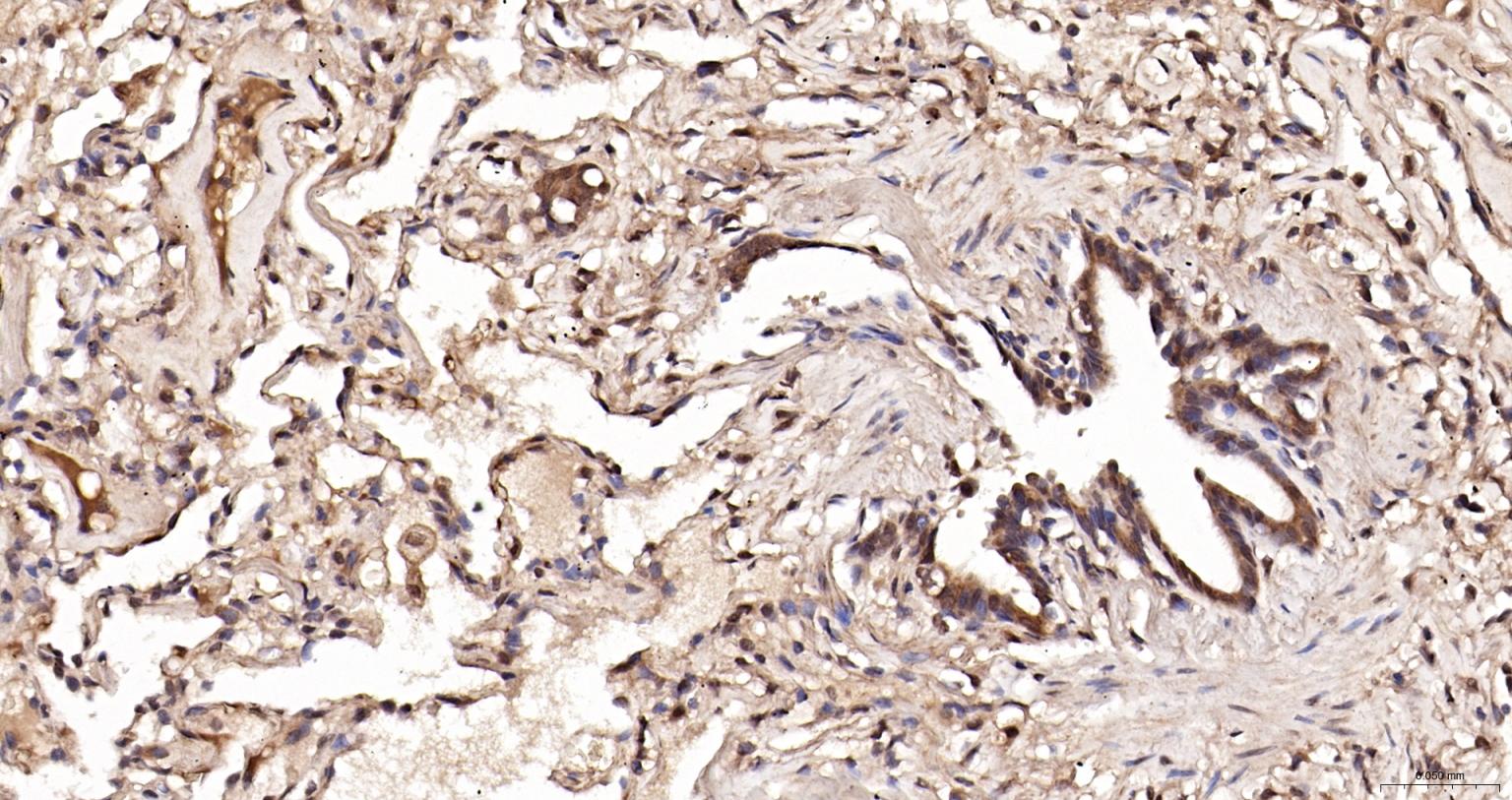
英文名称
OGT Recombinant Rabbit mAb
英文别名
HINCUT-1; HRNT1; MRX106; O-GLCNAC; OGT1; XLID106; 1110038P24Rik; 4831420N21Rik; Ogtl; OGT1_HUMAN; OGT; O-GlcNAc transferase subunit p110; O-linked N-acetylglucosamine transferase 110 kDa subunit (OGT); 2.4.1.255; OGT1_MOUSE; OGT1_PIG; OGT1_RAT; O-linked N-acetylglucosamine (GlcNAc) transferase; O-linked N-acetylglucosamine (GlcNAc) transferase (UDP-N-acetylglucosamine:polypeptide-N-acetylglucosaminyl transferase); UDP-N-acetylglucosamine:polypeptide-N-acetylglucosaminyl transferase
免疫原
A synthesized peptide derived from human OGT: 1000-1046
纯化方法
affinity purified by Protein A
储存液
0.01M TBS(pH7.4) with 1% BSA, 0.02% Proclin300 and 50% Glycerol.
保存条件
Shipped at 4℃. Store at -20 °C for one year. Avoid repeated freeze/thaw cycles.
注意事项
This product as supplied is intended for research use only, not for use in human, therapeutic or diagnostic applications.
背景资料
Addition of nucleotide-activated sugars directly onto the polypeptide through O-glycosidic linkage with the hydroxyl of serine or threonine. Mediates the O-glycosylation of MLL5 and HCFC1. Promotes proteolytic maturation of HCFC1. Since both phosphorylation and glycosylation compete for similar serine or threonine residues, the two processes may compete for sites, or they may alter the substrate specificity of nearby sites by steric or electrostatic effects. O-GlcNAc transferase has been purified from rat liver. It exists as a heterotrimeric complex with two subunits of the same molecular mass and one shorter subunit. Both polypeptides are related; the short subunit band is either a proteolytic product of the polypeptide or the product of an alternative translation start site. O-GlcNAc transferase is expressed as multiple transcripts that are present in different amounts in various human tissues, with the highest levels of expression in pancreas. Immunofluorescence of human cells expressing rat O-GlcNAc transferase indicated that it is present in both the nucleus and cytosol. HeLa cells expressing O-GlcNAc transferase do not survive well during prolonged incubations, suggesting that this protein may be toxic to the cells.
蛋白名
UDP-N-acetylglucosamine--peptide N-acetylglucosaminyltransferase 110 kDa subunit
亚基
Heterotrimer; consists of one 78 kDa subunit and two 110 kDa subunits dimerized via TPR repeats 6 and 7. Interacts (via TPR repeats 6 and 7) with ATXN10 (By similarity). Component of the MLL5-L complex, at least composed of MLL5, STK38, PPP1CA, PPP1CB, HCFC1, PPP1CC and ACTB. Component of a THAP1/THAP3-HCFC1-OGT complex. Component of the NSL complex at least composed of MOF/KAT8, KANSL1, KANSL2, KANSL3, MCRS1, PHF20, OGT1/OGT, WDR5 and HCFC1. Interacts directly with HCFC1; the interaction O-glycosylates HCFC1, regulates its proteolytic processing and transcriptional activity and, in turn, stabilizes OGT in the nucleus. Interacts (via TPRs 1-6) with SIN3A; the interaction mediates transcriptional repression in parallel with histone deacetylase.
亚细胞定位
Isoform 2: Mitochondrion. Membrane. Note=Associates with the mitochondrial inner membrane. Isoform 3: Cytoplasm. Nucleus. Cell membrane. Note=Mostly in the nucleus. Retained in the nucleus via interaction with HCFC1. After insulin induction, translocated from the nucleus to the cell membrane via phophatidylinisotide binding. Colocalizes with AKT1 at the plasma membrane. Isoform 4: Cytoplasm. Nucleus.
组织特异性
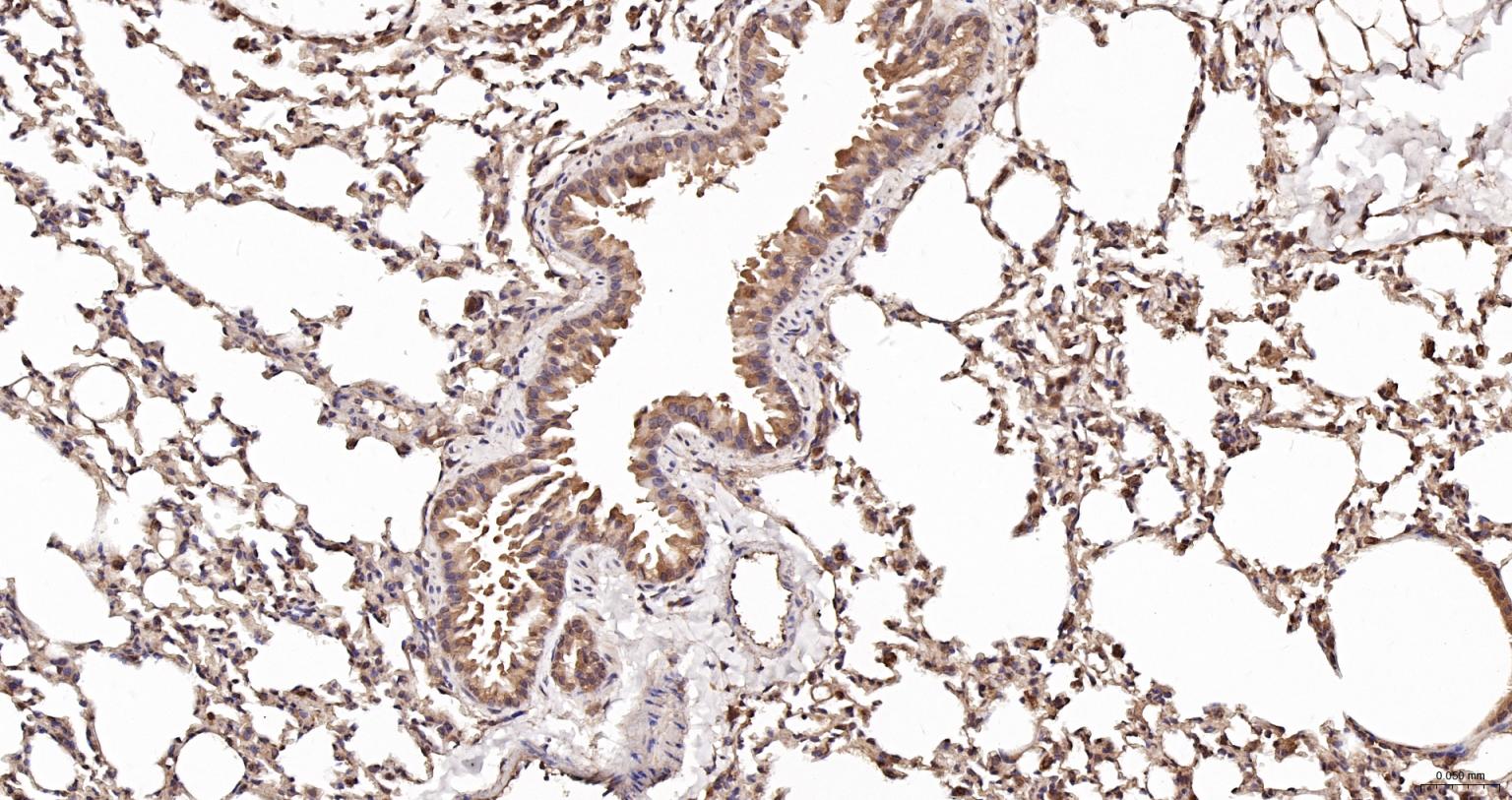
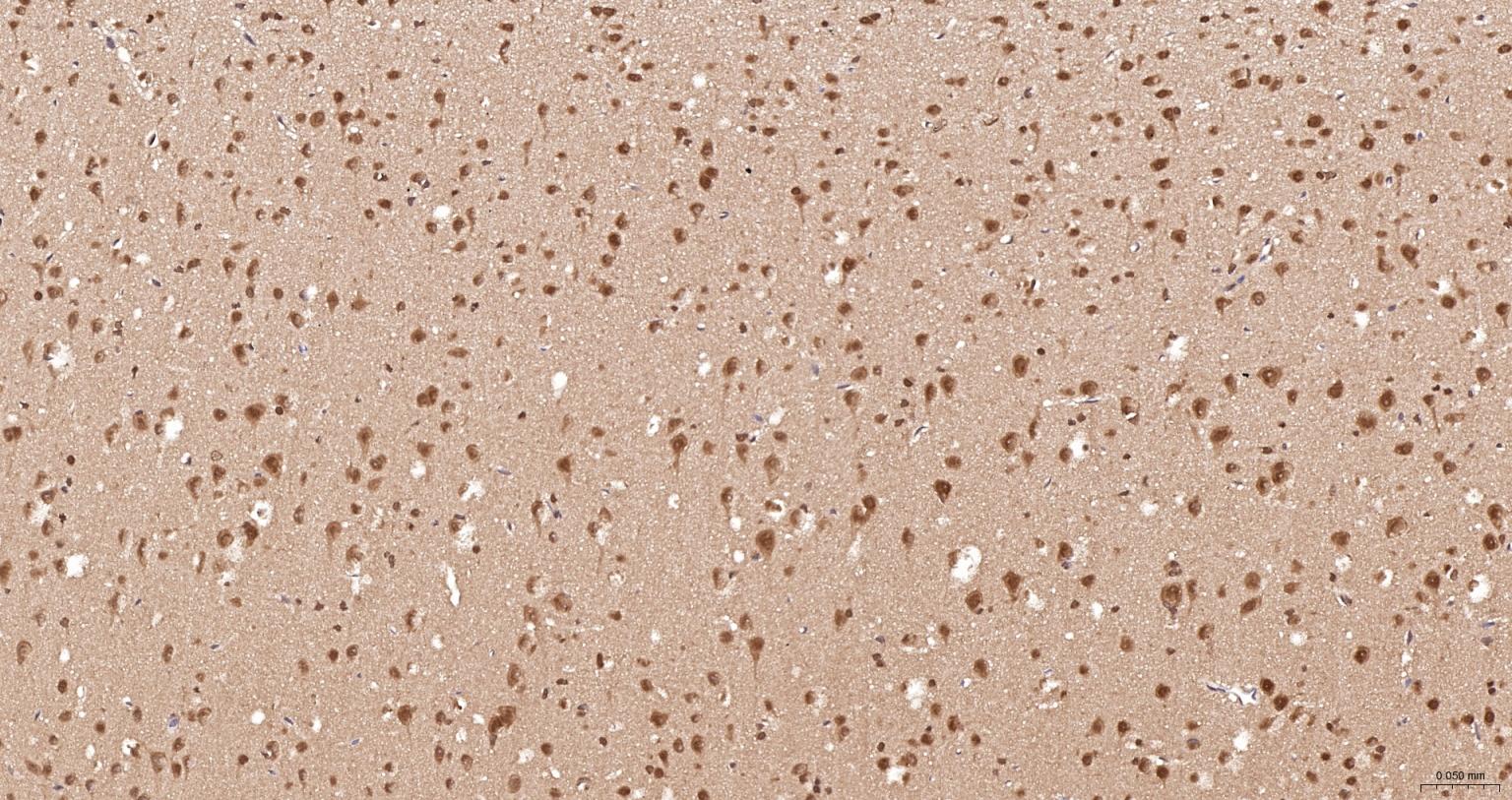
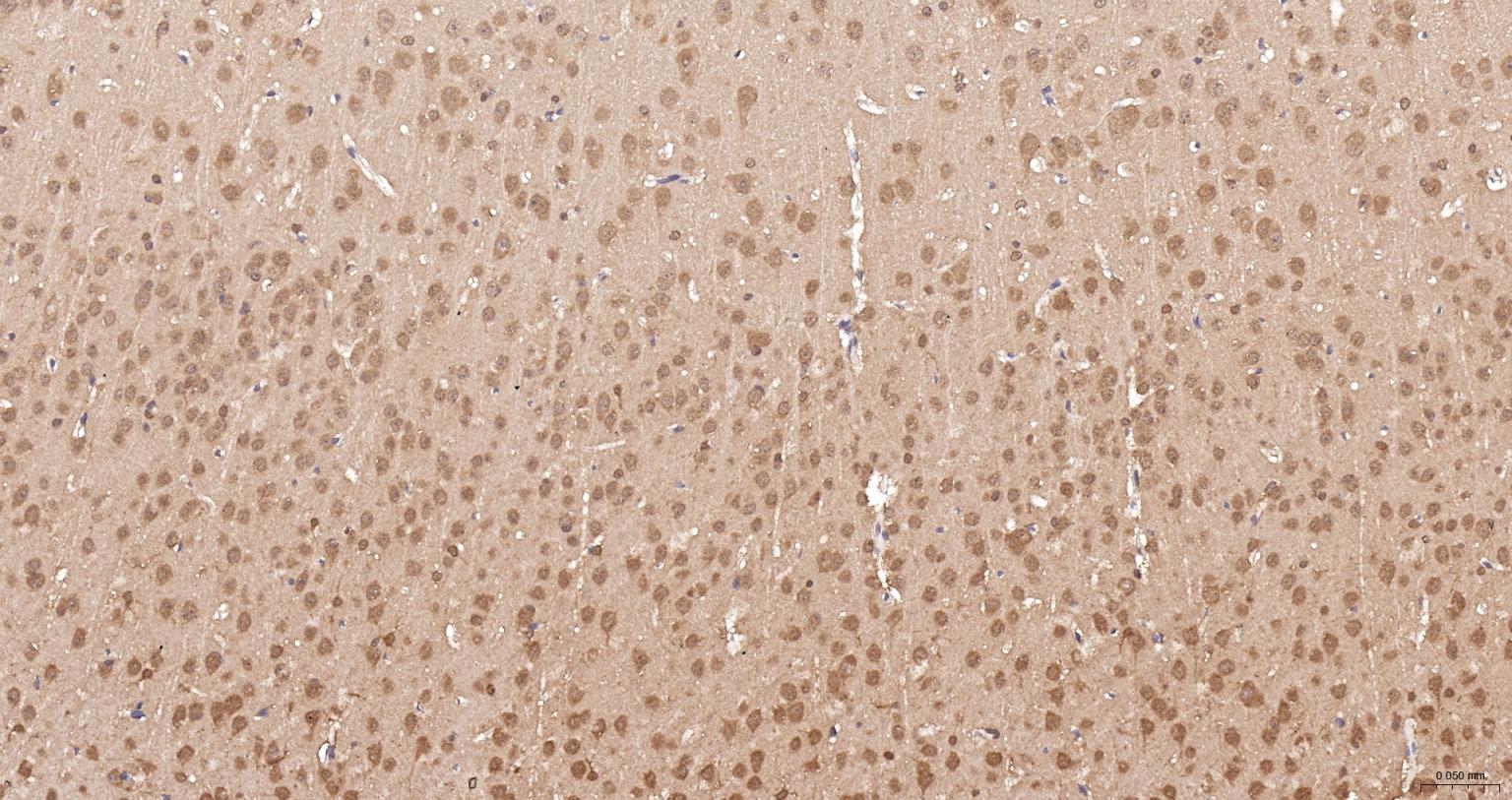
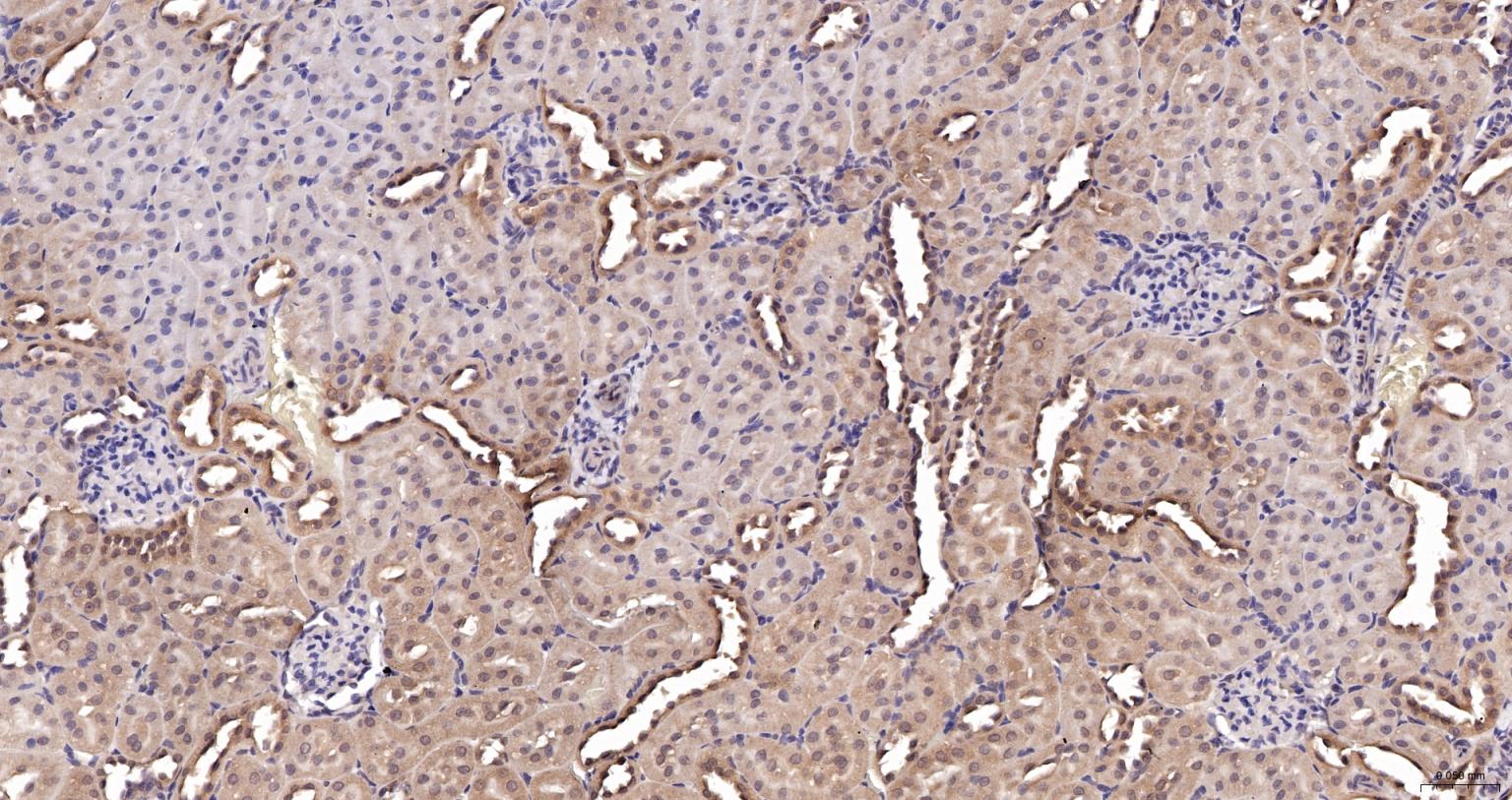
Highly expressed in pancreas and to a lesser extent in skeletal muscle, heart, brain and placenta. Present in trace amounts in lung and liver.
翻译后修饰
Ubiquitinated, leading to its proteasomal degradation.
疾病
Note=Regulation of OGT activity and altered O-GlcNAcylations are implicated in diabetes and Alzheimer disease. O-GlcNAcylation of AKT1 affects insulin signaling and, possibly diabetes. Reduced O-GlcNAcylations and resulting increased phosphorylations of MAPT/TAU are observed in Alzheimer disease (AD) brain cerebrum.
相似性
Belongs to the O-GlcNAc transferase family.
Contains 13 TPR repeats.
功能
Catalyzes the transfer of a single N-acetylglucosamine from UDP-GlcNAc to a serine or threonine residue in cytoplasmic and nuclear proteins resulting in their modification with a beta-linked N-acetylglucosamine (O-GlcNAc). Glycosylates a large and diverse number of proteins including histone H2B, AKT1, MLL5, MAPT/TAU and HCFC1. Can regulate their cellular processes via cross-talk between glycosylation and phosphorylation or by affecting proteolytic processing. Involved in insulin resistance in muscle and adipocyte cells via glycosylating insulin signaling components and inhibiting the 'Thr-308' phosphorylation of AKT1, enhancing IRS1 phosphorylation and attenuating insulin signaling. Component of a THAP1/THAP3-HCFC1-OGT complex that is required for the regulation of the transcriptional activity of RRM1. As part of the NSL complex it may be involved in acetylation of nucleosomal histone H4 on several lysine residues.
Isoform 2, the mitochondrial isoform (mOGT), is cytotoxic and triggers apoptosis in several cell types including INS1, an insulinoma cell line.