GATA3 Recombinant Rabbit mAb (一抗) - WB,IHC-P,IHC-F,IF,Flow-Cyt,ICC/IF | Bioss
Rrmab?兔单抗
货号:bsm-60794R
产品详情
相关标记
相关产品
相关文献
常见问题
概述
产品编号
bsm-60794R
产品类型
重组兔单抗
英文名称
GATA3 Recombinant Rabbit mAb
中文名称
GATA结合蛋白3重组兔单克隆抗体
英文别名
HDR; HDRS; Gata-3; jal; GATA3_HUMAN; GATA3; GATA-binding factor 3; GATA3_MOUSE; GATA binding protein 3; GATA-binding protein 3
抗体来源
Rabbit
免疫原
A synthesized peptide derived from human GATA3: 1-220/443
亚型
IgG
性状
Liquid
纯化方法
affinity purified by Protein A
克隆类型
Recombinant
克隆号
A1F12
理论分子量
49 kDa
检测分子量
46 kDa
浓度
1mg/ml
储存液
PBS, Glycerol, BSA.
研究领域
保存条件
Shipped at 4℃. Store at -20℃ for one year. Avoid repeated freeze/thaw cycles.
注意事项
This product as supplied is intended for research use only, not for use in human, therapeutic or diagnostic applications.
数据库链接
产品介绍
GATA-3属于转录调节性因子,表达在脑组织、胸腺中及其他很多组织中,并调节该类T细胞的发育和功能.
背景资料
Members of the GATA family share a conserved zinc finger DNA-binding domain and are capable of binding the WGATAR consensus sequence. GATA-1 is erythroid-specific and is responsible for the regulated transcription of erythroid genes. It is an essential component in the generation of the erythroid lineage. GATA-2 is expressed in embryonic brain and liver, HeLa and endothelial cells, as well as in erythroid cells. Studies with a modified GATA consensus sequence, AGATCTTA, have shown that GATA-2 and GATA-3 recognize this mutated consensus while GATA-1 has poor recognition of this sequence. This indicates broader regulatory capabilities of GATA-2 and GATA-3 than GATA-1. GATA-3 is highly expressed in T lymphocytes. GATA-4, GATA-5 and GATA-6 comprise a subfamily of transcription factors. Both GATA-4 and GATA-6 are found in heart, pancreas and ovary; lung and liver tissues exhibit GATA-6, but not GATA-4 expression. GATA-5 expression has been observed in differentiated heart and gut tissues and is present throughout the course of development in the heart. Although expression patterns of the various GATA transcription factors may overlap, it is not yet apparent how the GATA factors are able to discriminate in binding their appropriate target sites.
基因名
GATA3
蛋白名
Trans-acting T-cell-specific transcription factor GATA-3
亚细胞定位
Nucleus.
组织特异性
T-cells and endothelial cells.
疾病
Defects in GATA3 are the cause of hypoparathyroidism with sensorineural deafness and renal dysplasia (HDR) [MIM:146255]; also known as Barakat syndrome.
相似性
Contains 2 GATA-type zinc fingers.
功能
Transcriptional activator which binds to the enhancer of the T-cell receptor alpha and delta genes. Binds to the consensus sequence 5'-AGATAG-3'.
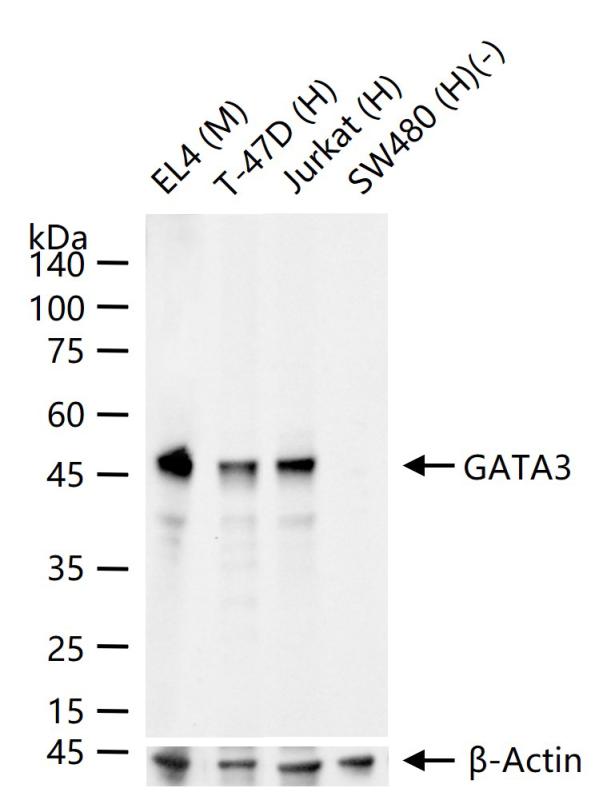
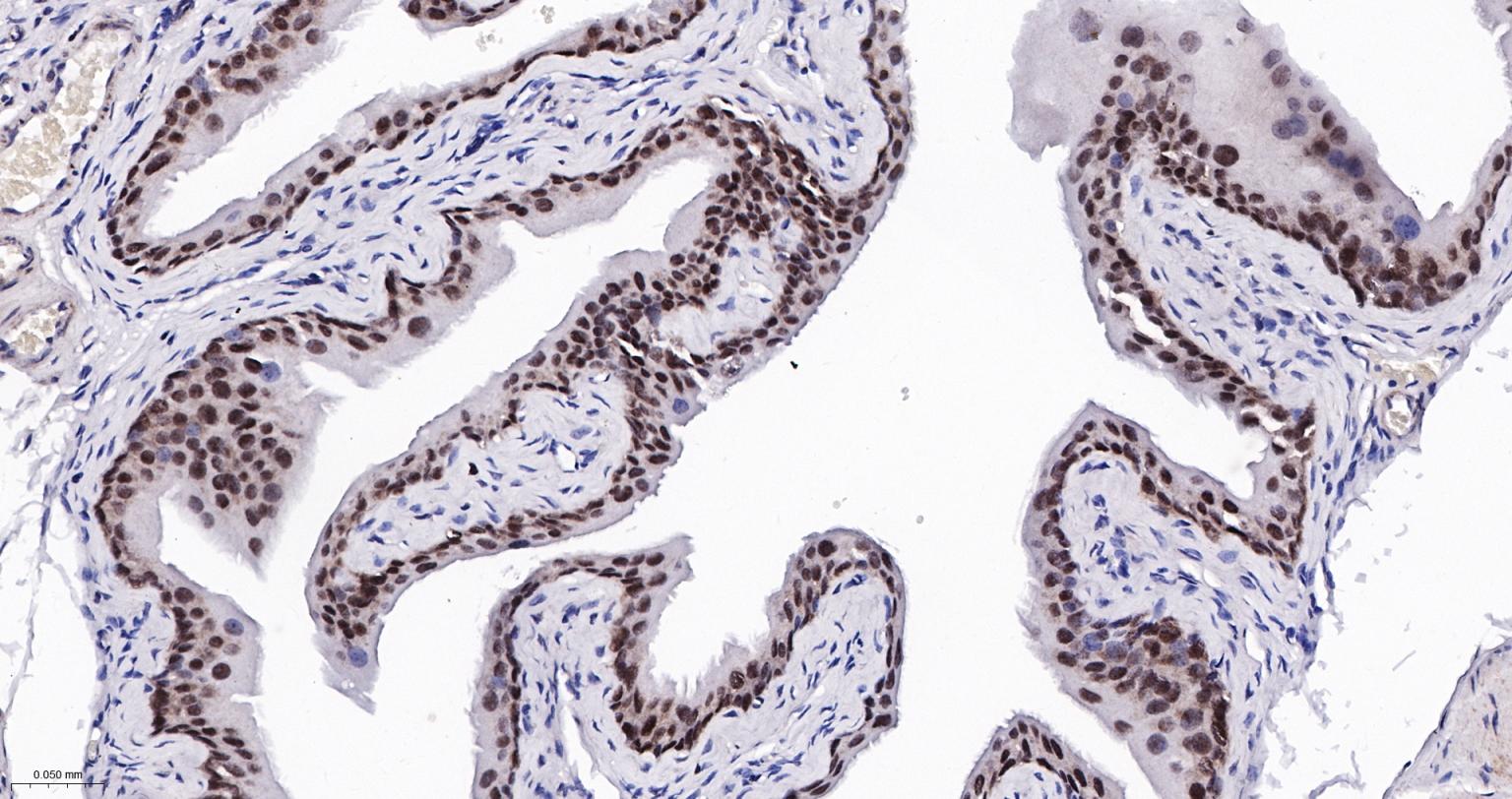
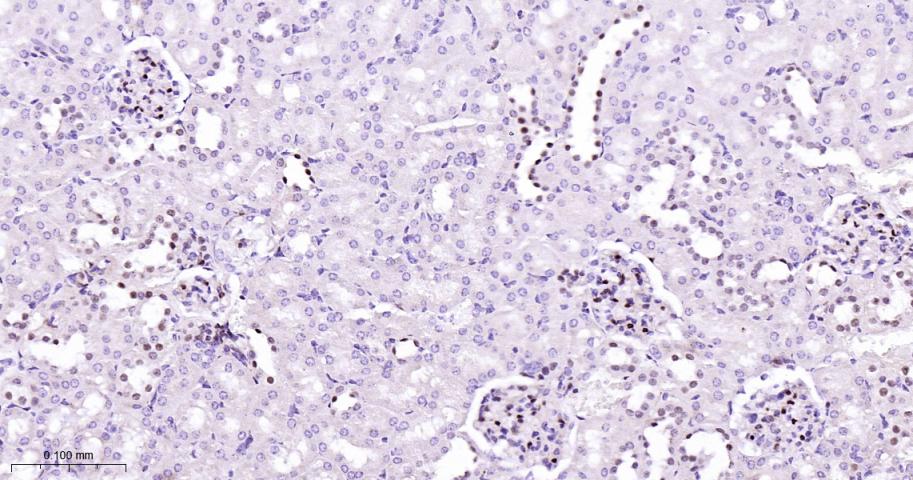
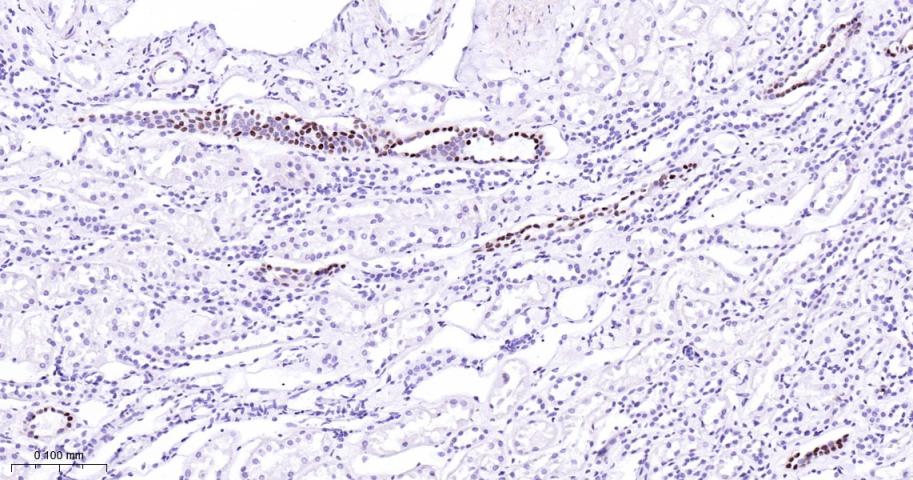
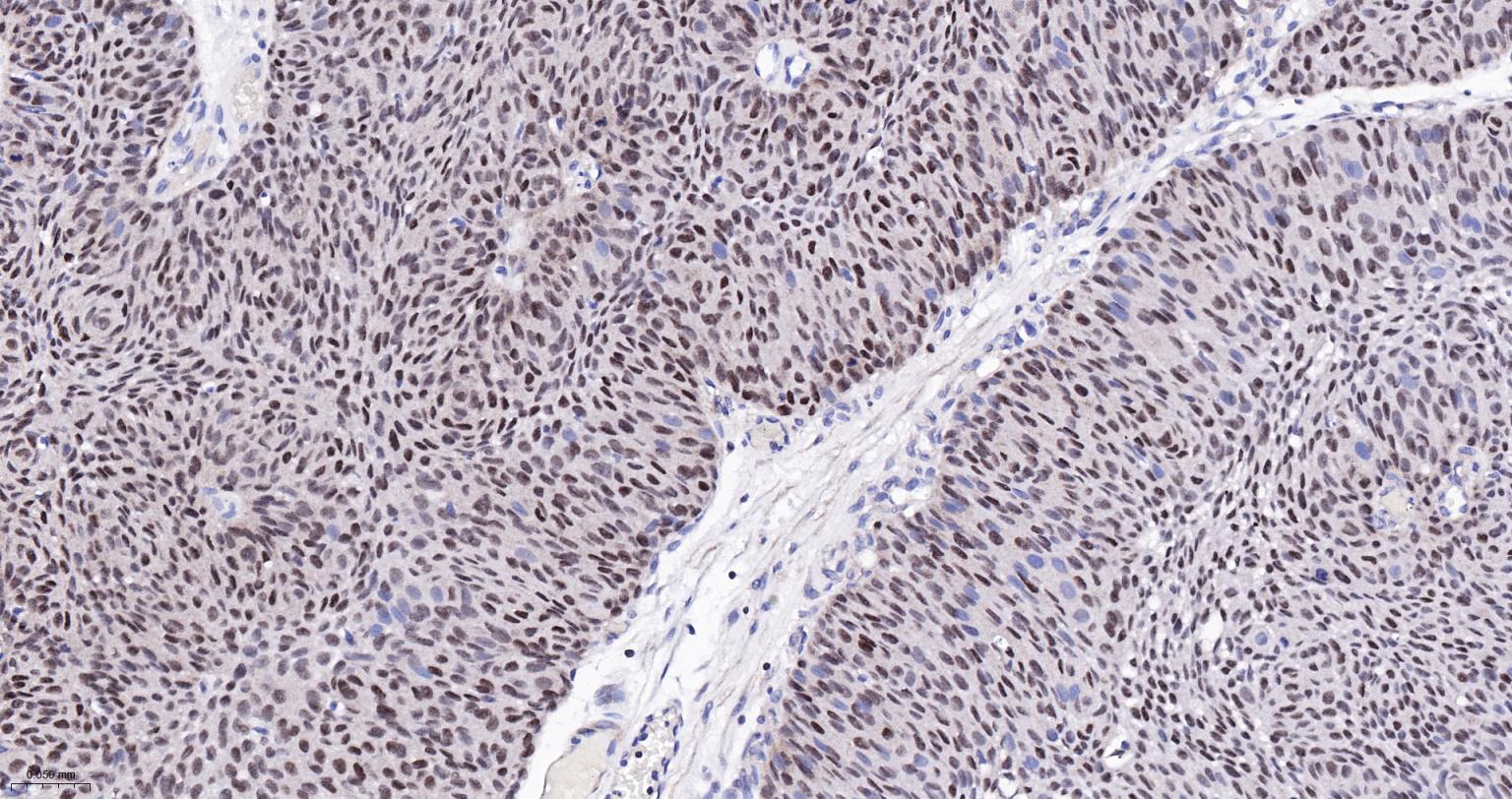
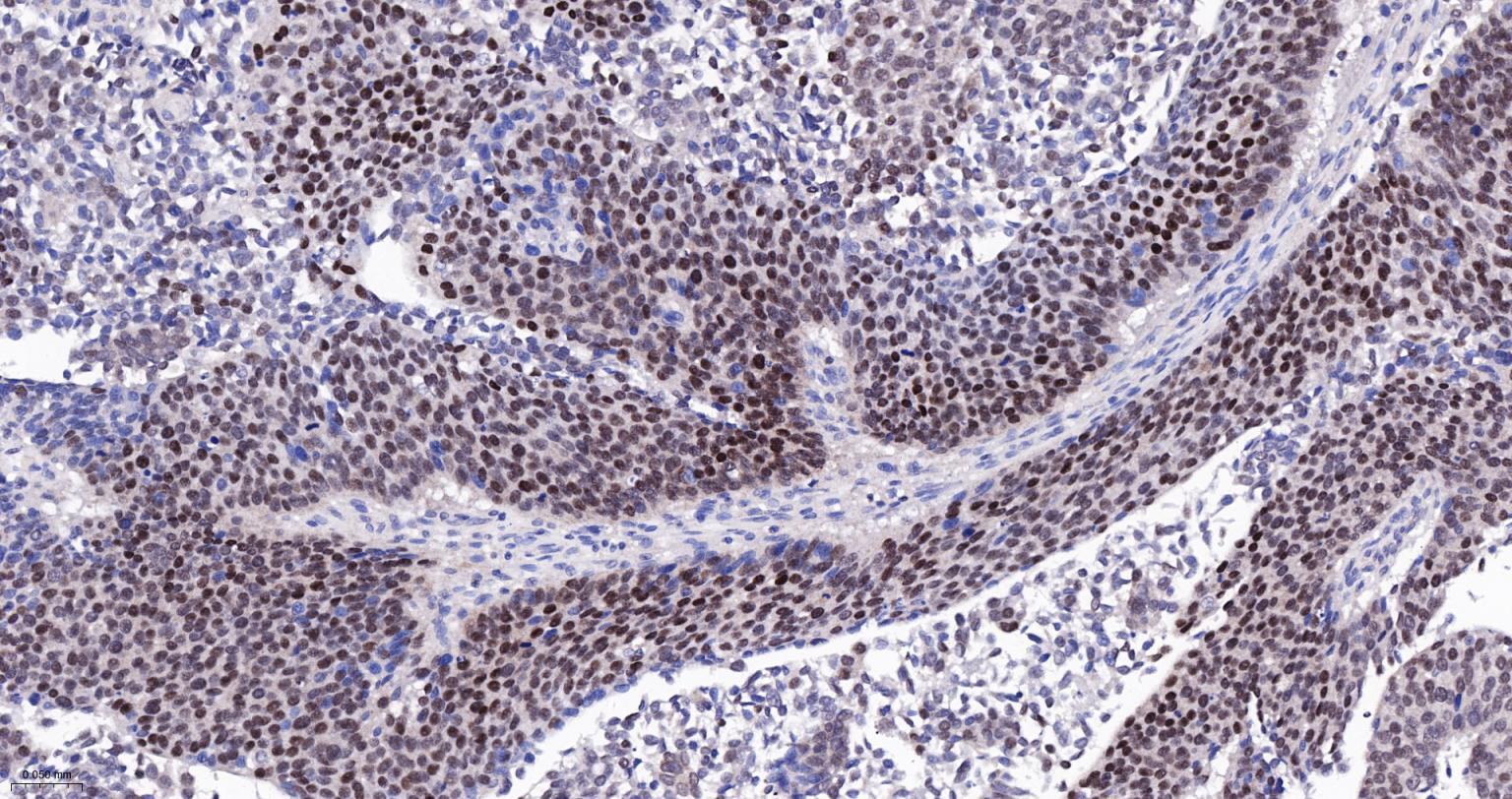
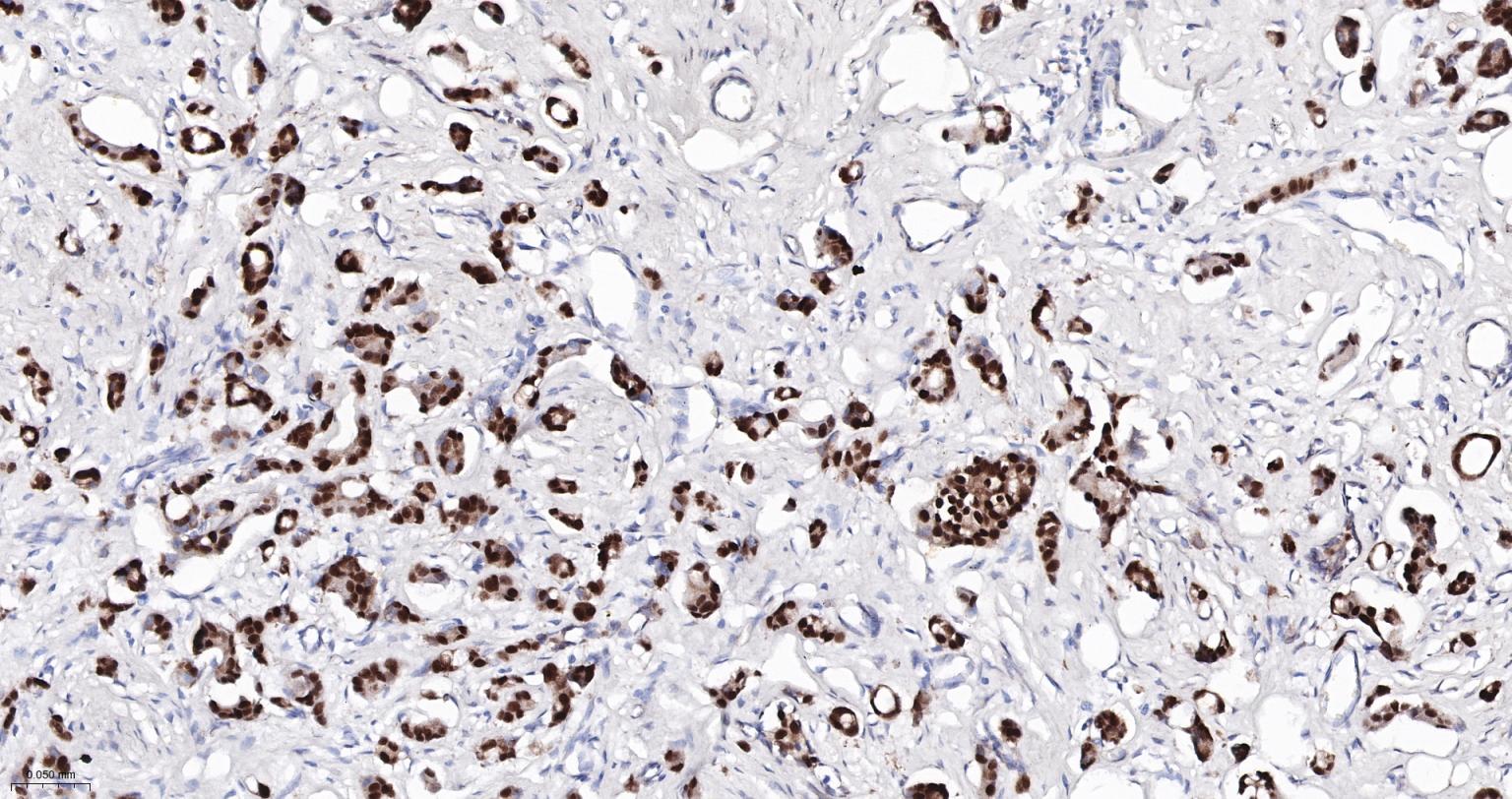
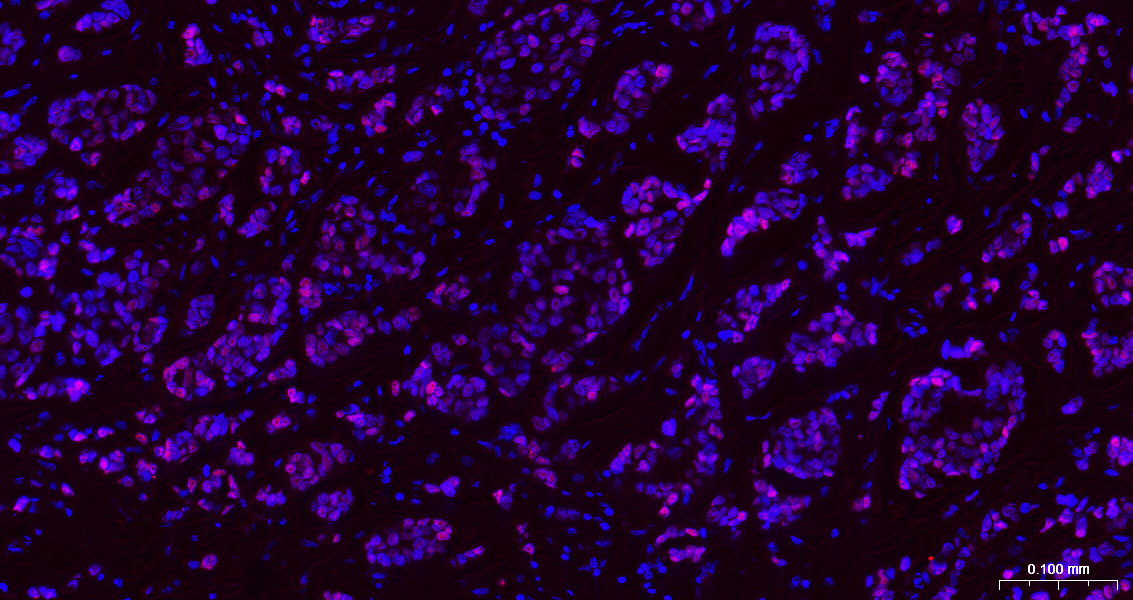
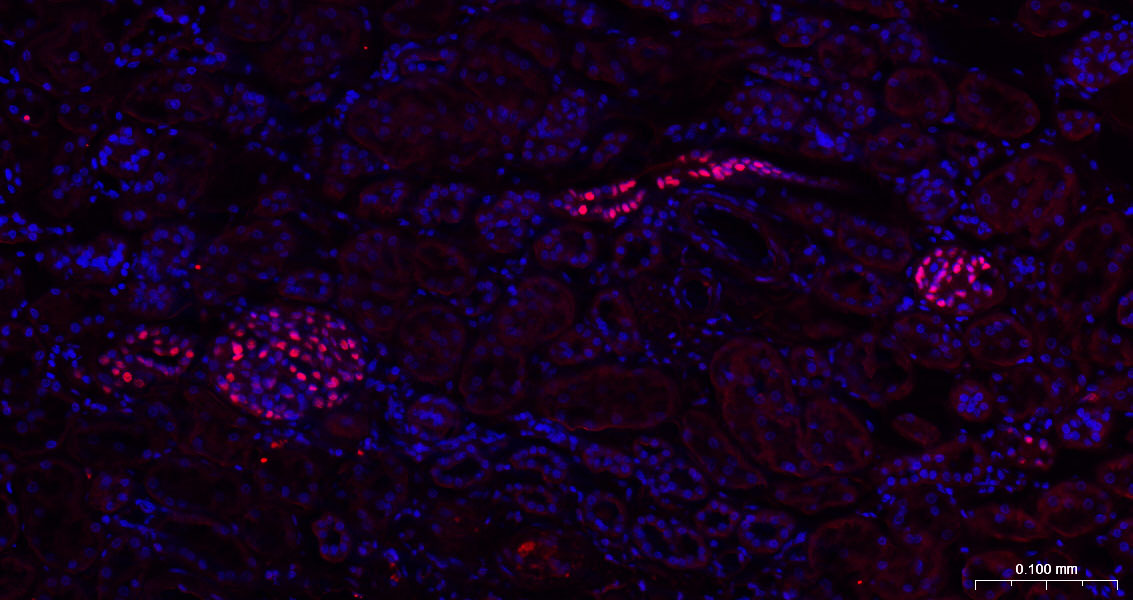
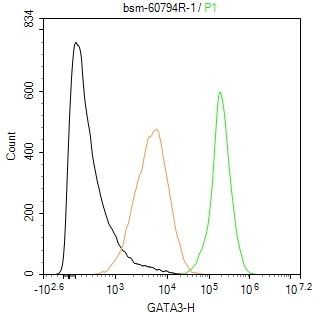
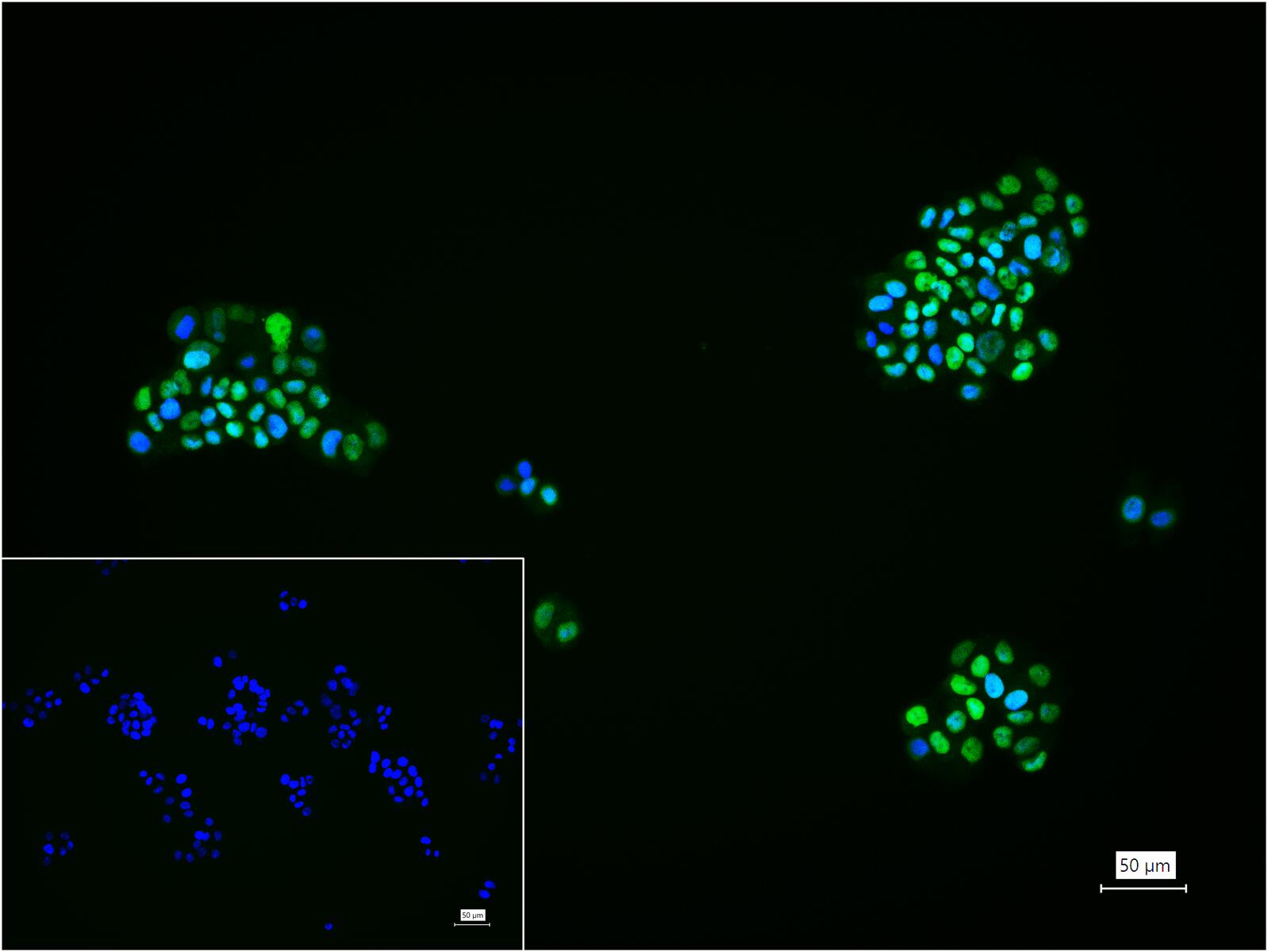
产品应用
| 应用 | 已检合格种属 | 预测种属 | 推荐稀释比例 |
|---|---|---|---|
| WB | Human, Mouse | 1:500-2000 | |
| IHC-P | Human, Mouse | 1:200-800 | |
| IHC-F | Human, Mouse | 1:200-800 | |
| IF | Human | Mouse | 1:200-800 |
| Flow-Cyt | Human | Mouse | 1:50-100 |
| ICC/IF | Human | Mouse | 1:100-200 |
交叉反应
交叉反应: Human, Mouse
相关产品
暂无相关产品
同靶标产品
相关文献
提示: 发表研究结果有使用 bsm-60794R 时请让我们知道,以便我们可以引用参考文章。作为回馈,资料提供者将获得我们送上的小礼品。