STING1 Recombinant Rabbit mAb (一抗) - WB,IHC-P,IHC-F,IF,Flow-Cyt,ICC/IF | Bioss
概述
STING由379个氨基酸构成,有数个跨膜结构域,在多种内皮细胞、上皮细胞中以及造血肝细胞均有表达。STING参与并促进DNA介导的先天免疫反应,即来自病毒和细菌的非CpG双链DNA与cGAS蛋白结合后被催化成第二信使cGAMP;接着二聚化的STING与cGAMP结合,发生构象变化,通过自噬小体(autophagsome)经内质网和高尔基体进一步进入细胞质,期间被泛素化后募集TBK1蛋白,再被磷酸化,之后与IRF3结合;接着IRF3被磷酸化后入核,诱导表达IFNs,细胞因子、T细胞募集因子等进而增强机体的免疫能力,更大限度的杀伤细菌,病毒等病原体。
This gene encodes a five transmembrane protein that functions as a major regulator of the innate immune response to viral and bacterial infections. The encoded protein is a pattern recognition receptor that detects cytosolic nucleic acids and transmits signals that activate type I interferon responses. The encoded protein has also been shown to play a role in apoptotic signaling by associating with type II major histocompatibility complex. Mutations in this gene are the cause of infantile-onset STING-associated vasculopathy. Alternate splicing results in multiple transcript variants. [provided by RefSeq, Sep 2014]
Ubiquitinated. 'Lys-63'-linked ubiquitination mediated by TRIM56 at Lys-150 promotes homodimerization and recruitment of the antiviral kinase TBK1 and subsequent production of IFN-beta. 'Lys-48'-linked polyubiquitination at Lys-150 occurring after viral infection is mediated by RNF5 and leads to proteasomal degradation.
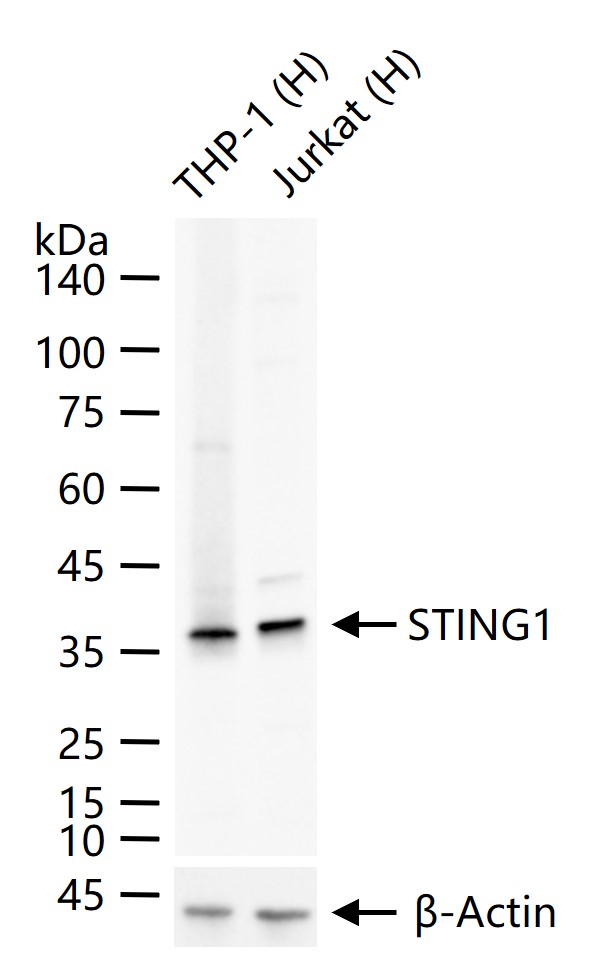
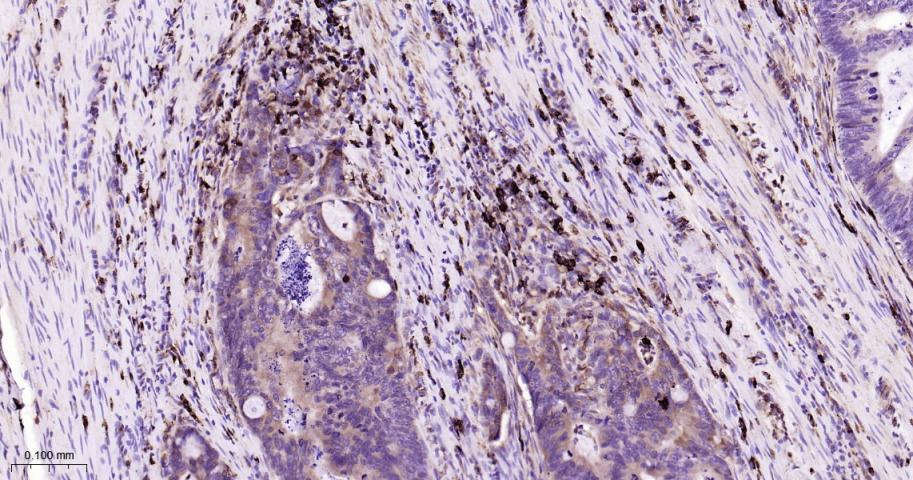
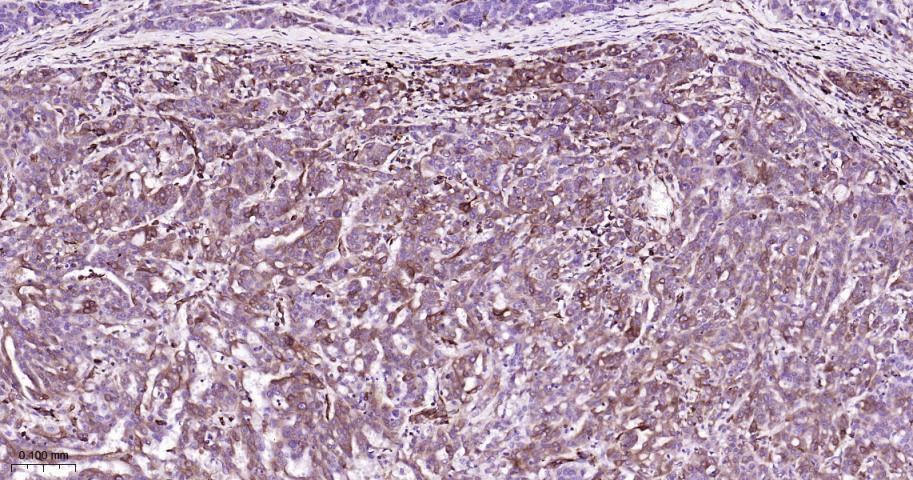
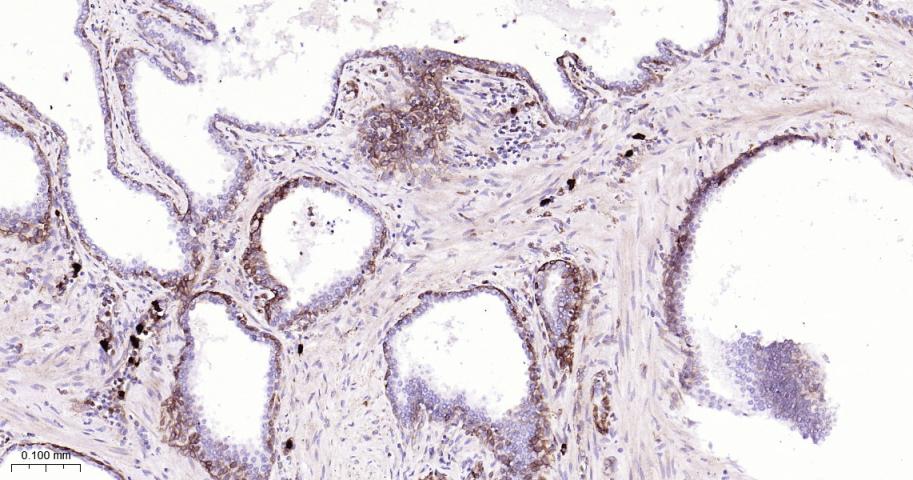
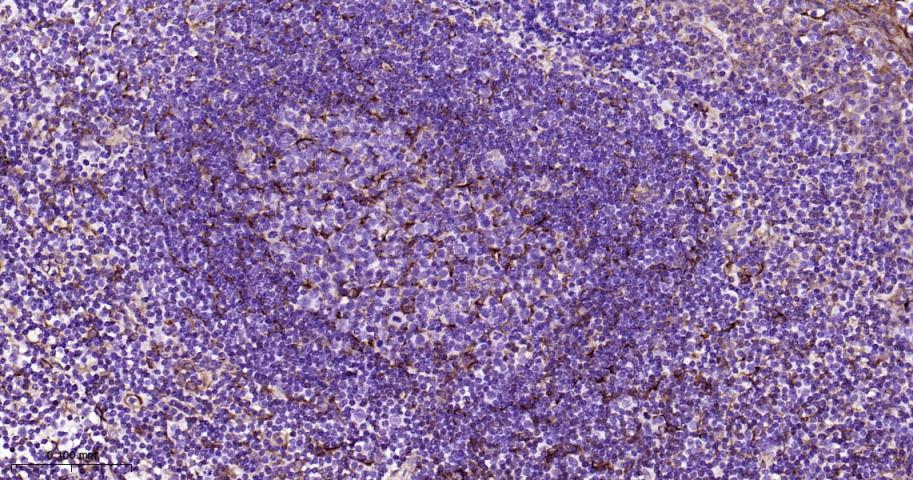
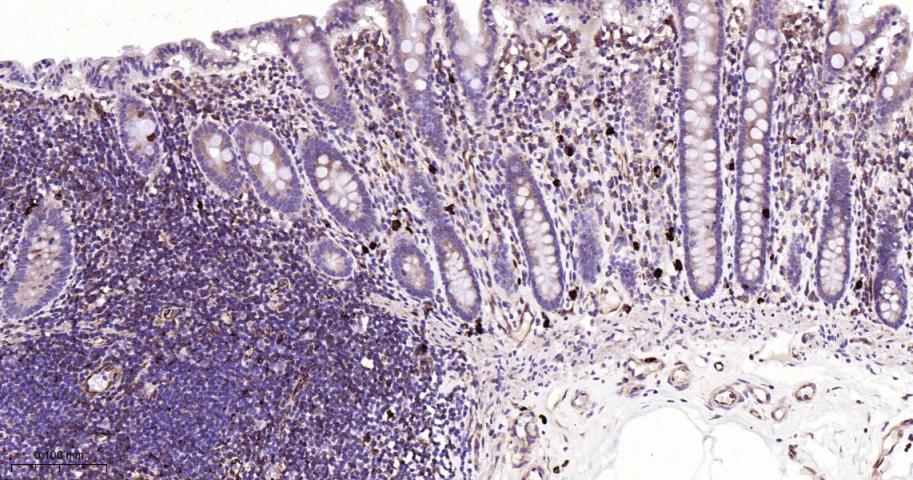
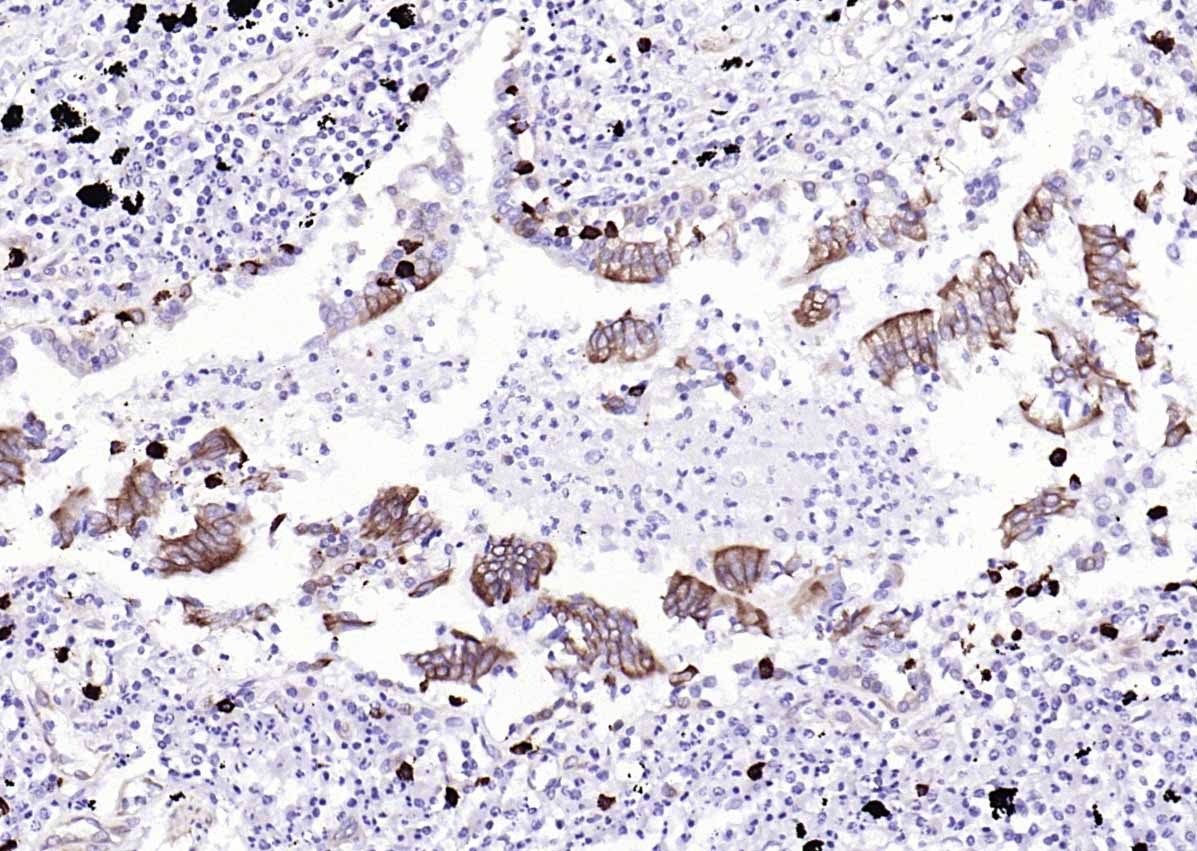
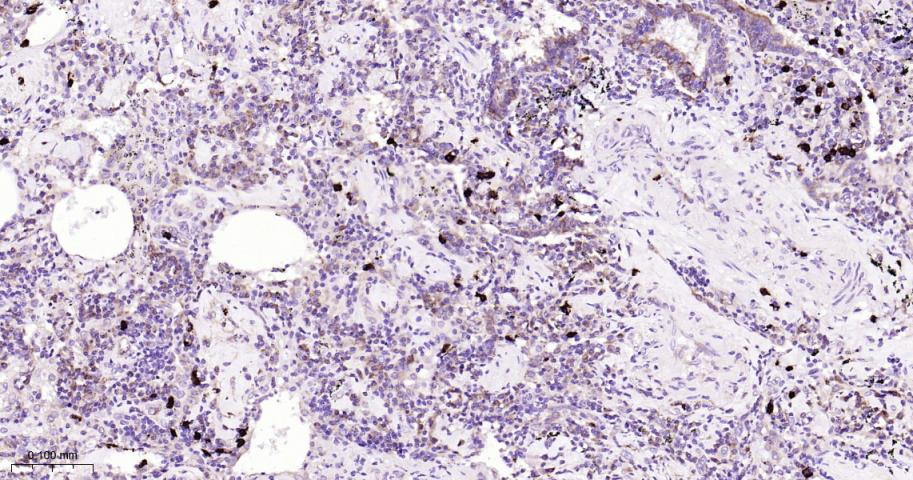
产品应用
| 应用 | 已检合格种属 | 预测种属 | 推荐稀释比例 |
|---|---|---|---|
| WB | Human | 1:500-2000 | |
| IHC-P | Human | 1:100-500 | |
| IHC-F | Human | 1:100-500 | |
| IF | Human | 1:100-500 | |
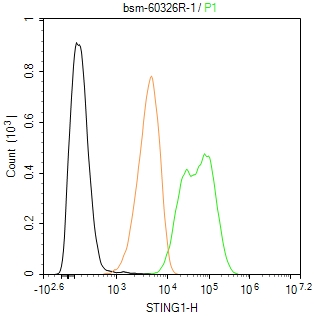
| Flow-Cyt | Human | 1:50-100 | |
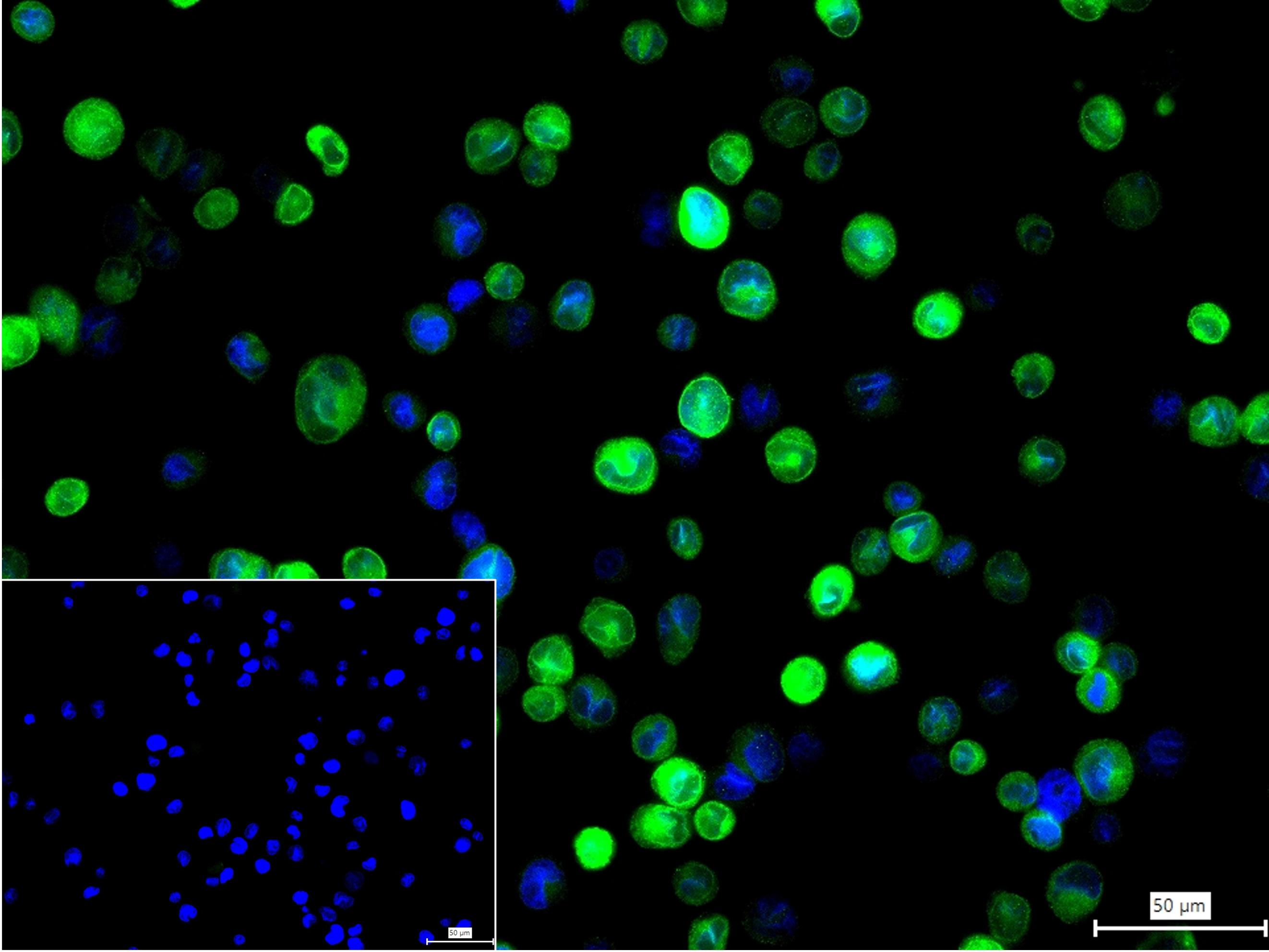
| ICC/IF | Human | 1:50-200 |
交叉反应
交叉反应: Human
相关产品
暂无相关产品