【26年2月文献战报】博奥森高分文献精彩呈现

截至目前,引用Bioss产品发表的文献共38,472篇,总影响因子196,162.07分,发表在Nature, Science, Cell, Cancer Cell以及Immunity等顶级期刊的文献共134篇,合作单位覆盖了清华、北大、复旦、华盛顿大学、麻省理工学院、东京大学以及纽约大学等上百所国际研究机构。
我们每月收集引用Bioss产品发表的文献。若您在当月已发表SCI文章,但未被我公司收集,请致电Bioss,我们将赠予现金鼓励,金额标准请参考“发文章 领奖金"活动页面。
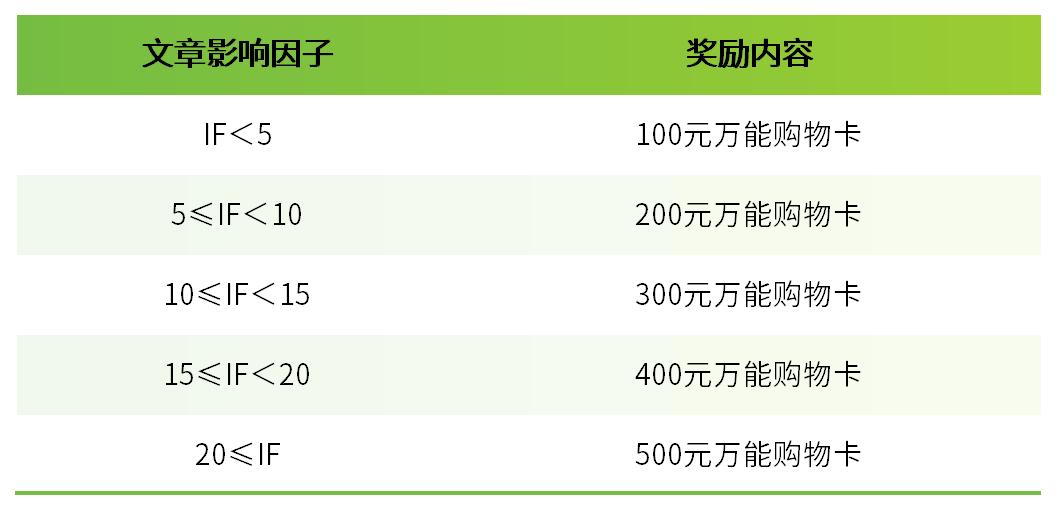
本文主要分享8篇IF≥19的文献,它们引用了Bioss产品,分别发表在Signal Transduction and Targeted Therapy、Nature、Cell、iMeta、Materials Today、Drug Resistance Updates、Bioactive Materials、Nature Microbiology期刊上,让我们一起学习吧。
Signal Transduction and
Targeted Therapy [IF=52.7]
文献引用产品:
bs-10966R | Actin Rabbit pAb | WB
作者单位:四川大学华西医院
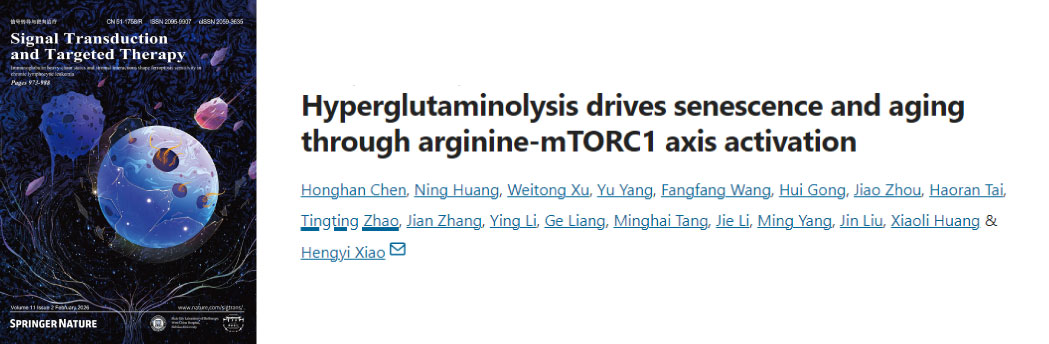
摘要:The catabolism of glutamine is essential for living organisms, so that its first step, driven by glutaminase 1 (GLS1), generally referred to as glutaminolysis, plays important roles in physiological metabolism. However, the status and impact of glutaminolysis in pathological contexts such as aging and age-related diseases remain elusive. In this study, through metabolomics analysis and different aging models, we verified the hyperactivation status of glutaminolysis in senescent cells and aged Drosophila and mice, which we term “hyperglutaminolysis". We further confirmed the aging-promoting role of this hyperglutaminolysis by addition and removal intervention experiments. Intriguingly, a novel signaling axis connecting to senescence-associated persistent mTORC1 activation was found. This pathway begins with glutaminase-catalyzed production of ammonium and glutamate, which drives arginine biosynthesis and is subsequently sensed by CASTOR1, leading to persistent mTORC1 activation. The regulatory roles of two key enzymes within this cascade, GLS1 and argininosuccinate lyase (ASL), were specifically investigated and verified by cellular and in vivo experiments, including those using stress-promoted and naturally aged animals, combined with GLS1 and ASL knockdown, and multiple rounds of metabolite analysis. In conclusion, our work positions dysregulated glutaminolysis as a key driver of aging and delineates a previously unrecognized molecular cascade that directly links glutaminolysis, arginine biosynthesis, and mTORC1 activation. These findings significantly expand our understanding of the relationship between glutamine catabolism and aging and are valuable for identifying novel intervention targets aimed at mitigating aging-related processes.
Nature [IF=48.5]
文献引用产品:
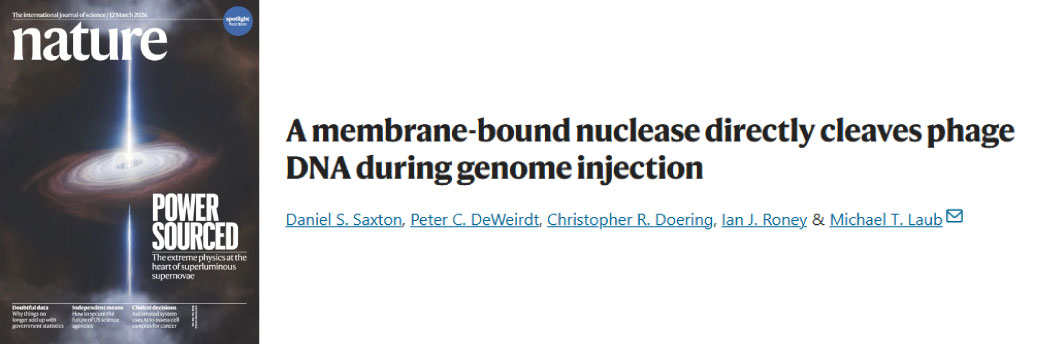
bs-20213R | OMPC Rabbit pAb | WB
作者单位:麻省理工学院
Cell [IF=42.5]
文献引用产品:
作者单位:复旦大学附属肿瘤医院
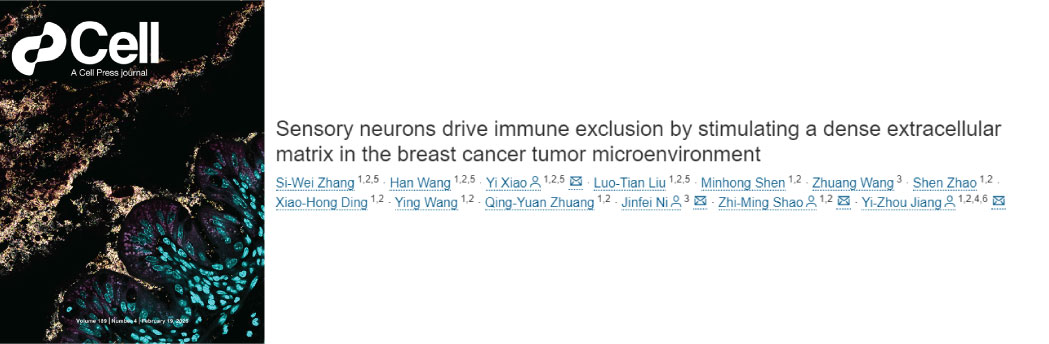
摘要:Innervation is critical in tumor progression. However, the involvement of sensory neurons in the ecosystem of triple-negative breast cancer (TNBC) remains poorly elucidated. Here, we decipher that sensory neurons, the dominant neuron type in the TNBC ecosystem, drive the immune-excluded tumor microenvironment (TME) by stimulating a dense extracellular matrix. Mechanistically, a high concentration of nerve growth factor (NGF) in TME triggers sensory neurons to secrete the neuropeptide calcitonin gene-related peptide (CGRP), thereby activating cancer-associated fibroblasts (CAFs) to secrete collagen. Specifically, CGRP binds to its receptor RAMP1 (receptor activity modifying protein 1), which is expressed mainly on CAFs, and subsequently activates cyclic AMP (cAMP)/protein kinase A (PKA)/cAMP-response element binding protein 1 (CREB1) signaling to increase collagen deposition. Clinically, targeting sensory neurons remodels the disordered TME and synergizes with anti-programmed cell death protein 1 (PD-1) immunotherapy in TNBC. Collectively, our findings reveal a connection between sensory neurons and CAFs that obstructs antitumor immunity in TNBC. The CGRP antagonist rimegepant thus has clinical translational potential as an immuno-sensitizer to augment tumor immunotherapy.
iMeta [IF=33.2]
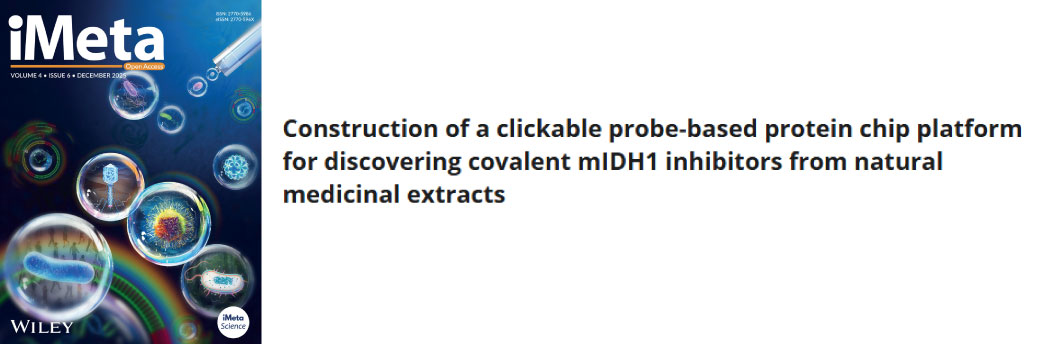
摘要:The early discovery of covalent drugs is frequently inspired by, or derived from, natural sources, with such compounds often showing favorable safety profiles and a comparatively lower risk of clinical failure. However, a straightforward, high-throughput technique for screening covalent-binding molecules directly from complex medicinal plant extracts remains unavailable. In this study, we introduce an integrated strategy that combines protein microarrays with bioorthogonal click chemistry (Ccc-Chip). This platform includes a differential scanning fluorimetry (DSF)-based pre-screening step to enhance efficiency, with the Ccc-Chip serving as the core confirmation tool. It provides simple and intuitive readouts, enabling synchronous, high-throughput screening of covalent ligands targeting multiple proteins through detection of their competitive binding with cysteine-reactive probes. To validate the approach, we constructed a mutant isocitrate dehydrogenase 1 (mIDH1) protein microarray and used the integrated workflow to screen 110 medicinal plants. Our results led to the identification of flavokawain C (Flc), a covalent inhibitor of mIDH1, from Piper methysticum Forst. Subsequent in vivo experiments showed that Flc significantly reduced 2-hydroxyglutarate (2-HG) levels in an mIDH1-driven orthotopic tumor model and enhanced CD8+ T cell activity. Notably, when combined with a programmed cell death protein 1 (PD-1) blocking antibody, Flc synergistically augmented antitumor immunity, resulting in suppressed tumor growth. This work not only supports the high-throughput utility of the Ccc-Chip strategy but also provides a practical framework for combining bioorthogonal labeling with protein microarray technology, facilitating the discovery of bioactive covalent molecules from plant sources for challenging therapeutic targets.
Materials Today [IF=22]
文献引用产品:
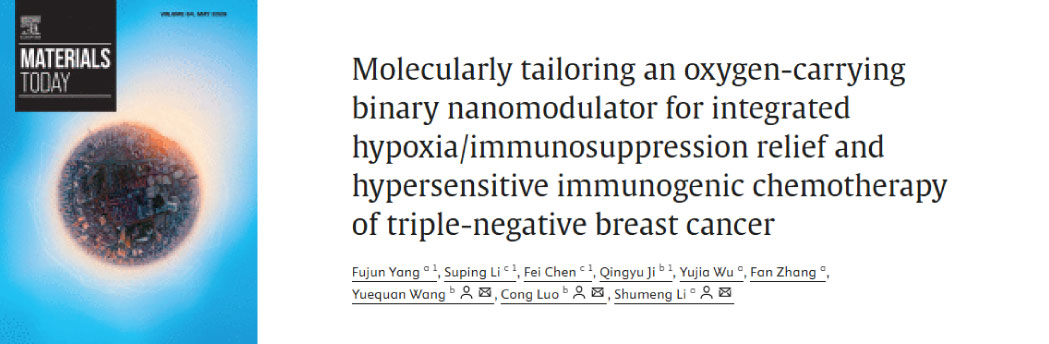
摘要:The regimen of combining anthracyclines with immune checkpoint inhibitors (ICIs) has been recommended for the treatment of triple-negative breast cancer (TNBC), but the clinical outcomes fall short of estimates. Our analysis of clinical patient samples reveals that this is highly correlated with hypoxia-related immune resistance. To achieve an integrated immunosuppression relief, we elaborately exploit an oxygen-carrying nanomodulator co-assembled by a redox-responsive fluorinated prodrug (DSSF) of doxorubicin (DOX) and a PD-L1 inhibitor (JQ1). The fluorinated DOX prodrug not only confers stable co-assembly with JQ1, but also endows the nanomodulator with outstanding oxygen-carrying capacity (~80 mg L-1). Moreover, redox-responsive prodrug activation in tumor cells triggers synchronous release of JQ1 to downregulate the PD-L1 on tumor cells. As expected, the nanomodulator significantly alleviates hypoxia and relieves immunosuppression, displaying striking effects in immunogenic chemotherapy, tumor recurrence and metastasis prevention against TNBC. This study offers a facile and feasible solution to potentiate chemo-immunotherapy of TNBC.
Drug Resistance
Updates [IF=21.7]
文献引用产品:
bs-7510R | stabilin1 Rabbit pAb | WB
bs-2386R | CD47 Rabbit pAb | WB
作者单位:同济大学医学院肿瘤研究所
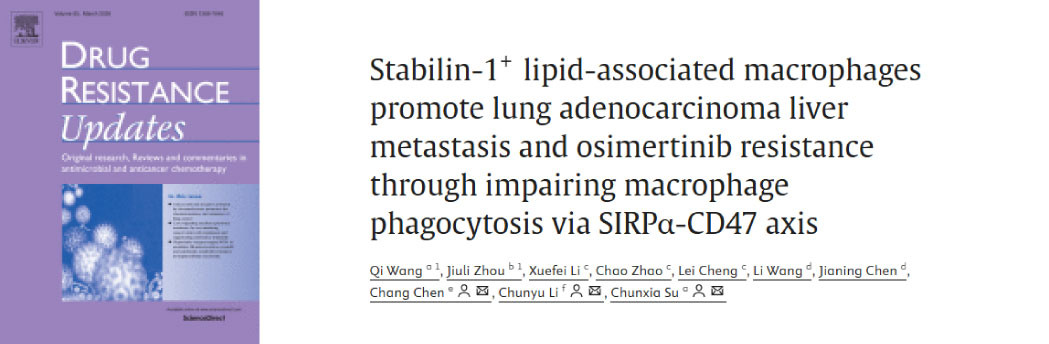
Lipid-associated macrophages are a specific subpopulation of macrophages that play a crucial role in cancer progression and treatment resistance. However, the functional impact of lipid-associated macrophages in lung adenocarcinoma (LUAD) remains poorly understood. This study aims to investigate the role and underlying mechanisms of lipid-associated macrophages in LUAD liver metastasis and resistance to osimertinib, a third-generation epidermal growth factor receptor tyrosine kinase inhibitor (EGFR-TKI).
Methods
Single-cell RNA sequencing (scRNA-seq) was performed on human lung tumor tissues from patients with primary LUAD and those with LUAD liver metastasis, which identified a novel subpopulation of stabilin-1 (STAB1)+ lipid-associated macrophages. The influence of STAB1+ lipid-associated macrophages on LUAD liver metastasis and osimertinib resistance was evaluated in vitro and in vivo. An in vitro co-culture system was established to investigate the interaction between LUAD cells and lipid-associated macrophages, and the mechanisms were analyzed by RNA-seq, Luminex multi-factor detection, Co-IP, in vivo, and rescue experiments.
Results
The subpopulation of STAB1+ lipid-associated macrophages was more abundant in liver metastatic LUAD tumors than in primary tumors. This lipid-associated macrophage subpopulation exhibited a stronger ability of lipid uptake from tumors and lipid droplet accumulation. We found that C-X-C motif ligand 12 (CXCL12) chemokine secreted by liver metastatic LUAD cells was responsible for recruiting circulating monocytes and subsequently inducing their differentiation into STAB1+ lipid-associated macrophages. STAB1 overexpression impaired the phagocytic ability of macrophage towards dying tumor cells by upregulating the signal regulatory protein α (SIRPα)-CD47 “don’t eat me" signal. In tumor xenograft models, inhibition of STAB1+ lipid-associated macrophages effectively suppressed LUAD osimertinib resistance and liver metastasis....
Bioactive Materials [IF=20.3]
文献引用产品:
作者单位:四川大学华西口腔医院
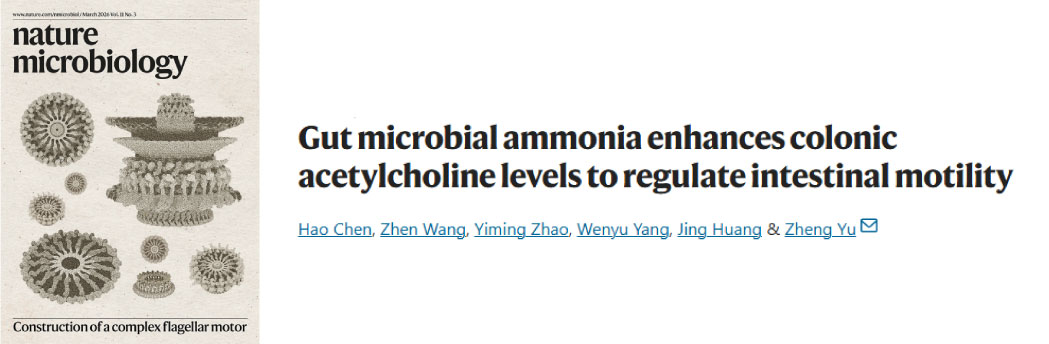
Nature Micribiology [IF=19.4]
文献引用产品:
bs-0295G-HRP | Goat Anti-Rabbit IgG H&L, HRP conjugated | WB
bs-0296G-HRP | Goat Anti-Mouse IgG H&L, HRP conjugated | WB
作者单位:中南大学湘雅医学院
摘要:Intestinal motility is a function of the enteric nervous system involving secretion of the excitatory neurotransmitter acetylcholine (ACh). Although gut commensal bacteria are key regulators of intestinal physiology, the molecular mechanisms underlying microbial influence on intestinal peristalsis and constipation remain unclear. Here we report a link between microbial nitrogen metabolism and intestinal motility regulation via ammonia production. We observed compensatory elevation of intestinal ammonia levels and urease activity in mouse models of intestinal dysmotility, induced by ACh deficiency, and in patients with constipation. Ammonia supplementation or intervention in mice with the urease-positive Lysinibacillus fusiformis isolated from patient stool, or engineered urease-expressing bacteria, effectively restored colonic ACh levels. In vitro, ammonia upregulated the expression of voltage-gated calcium channels on enteric neurons, driving Ca2+ influx to potentiate ACh secretion. Our study reveals a microbial compensatory mechanism that responds to fluctuating ACh levels in the intestine and provides microbial targets for intestinal motility disorders.