Notch1 Recombinant Rabbit mAb (一抗) - WB,IHC-P,IHC-F,IF,Flow-Cyt | Bioss
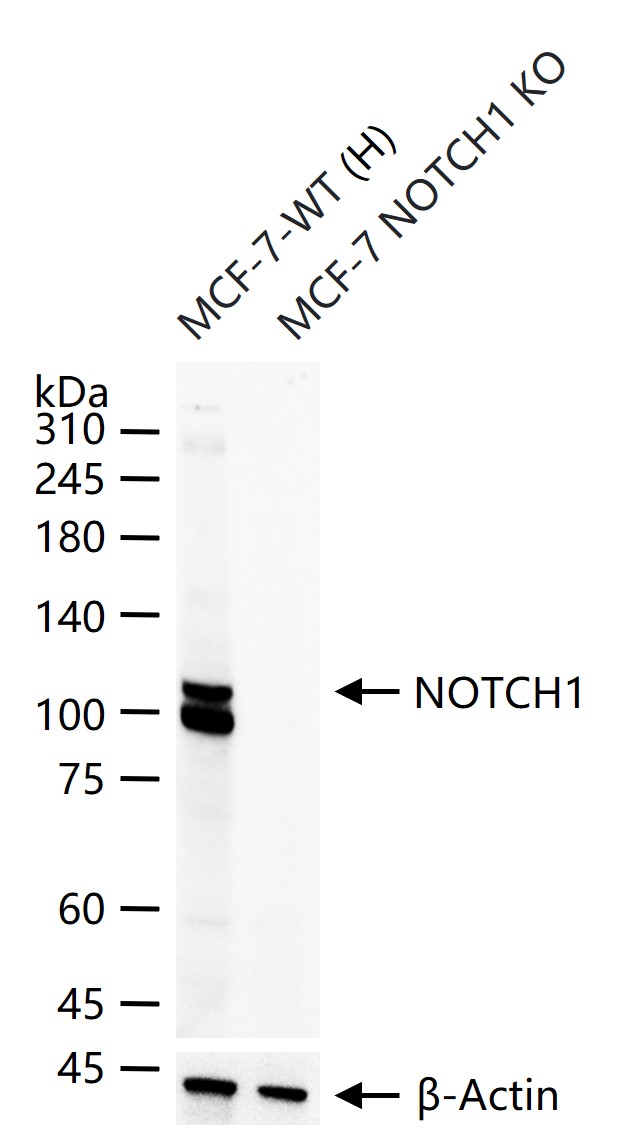
KO/KD Validated
Rrmab?兔单抗
货号:bsm-60871R
产品详情
相关标记
相关产品
相关文献
常见问题
概述
产品编号
bsm-60871R
产品类型
重组兔单抗、KO/KD Validated
英文名称
Notch1 Recombinant Rabbit mAb
中文名称
跨膜受体蛋白Notch-1重组兔单抗
英文别名
AOS5; AOVD1; TAN1; hN1; 9930111A19Rik; Mis6; N1; lin-12; NOTCH; NOTC1_HUMAN; NOTCH1; Notch 1; Translocation-associated notch protein TAN-1; NOTC1_MOUSE; Motch A; mT14; p300; Motch; NOTC1_RAT; notch receptor 1; Notch (Drosophila) homolog 1 (translocation-associated); Notch homolog 1, translocation-associated (Drosophila)
抗体来源
Rabbit
免疫原
A synthesized peptide derived from human Notch 1: 2500-2555/2555
亚型
IgG
性状
Liquid
纯化方法
affinity purified by Protein A
克隆类型
Recombinant
克隆号
16B1
理论分子量
271 kDa
检测分子量
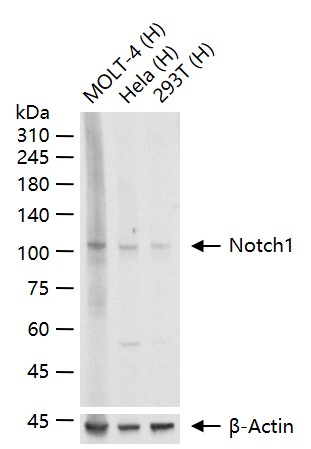
105 kDa
浓度
1mg/ml
储存液
0.01M TBS(pH7.4) with 1% BSA, 0.02% Proclin300 and 50% Glycerol.
研究领域
SWISS
Gene ID
保存条件
Shipped at 4℃. Store at -20 °C for one year. Avoid repeated freeze/thaw cycles.
注意事项
This product as supplied is intended for research use only, not for use in human, therapeutic or diagnostic applications.
数据库链接
产品介绍
Notch 1蛋白是一个进化上保守的跨膜受体家族,广泛分布和表达在多个物种之中。研究发现Notchl作为一条信号转导途径,不仅对正常组织、细胞的分化、发育起重要作用,而且和一些肿瘤的发生和生长相关,有学者发现Notchl在许多实体瘤中异常表达,如:如宫颈癌、子宫内膜癌、肾癌、肺癌、乳腺癌、神经母细胞瘤等。因此Notchl作为一种预防和治疗肿瘤的新途径越来越受到人们的重视。
背景资料
This gene encodes a member of the Notch family. Members of this Type 1 transmembrane protein family share structural characteristics including an extracellular domain consisting of multiple epidermal growth factor-like (EGF) repeats, and an intracellular domain consisting of multiple, different domain types. Notch family members play a role in a variety of developmental processes by controlling cell fate decisions. The Notch signaling network is an evolutionarily conserved intercellular signaling pathway which regulates interactions between physically adjacent cells. In Drosophilia, notch interaction with its cell-bound ligands (delta, serrate) establishes an intercellular signaling pathway that plays a key role in development. Homologues of the notch-ligands have also been identified in human, but precise interactions between these ligands and the human notch homologues remain to be determined. This protein is cleaved in the trans-Golgi network, and presented on the cell surface as a heterodimer. This protein functions as a receptor for membrane bound ligands, and may play multiple roles during development. [provided by RefSeq, Jul 2008].
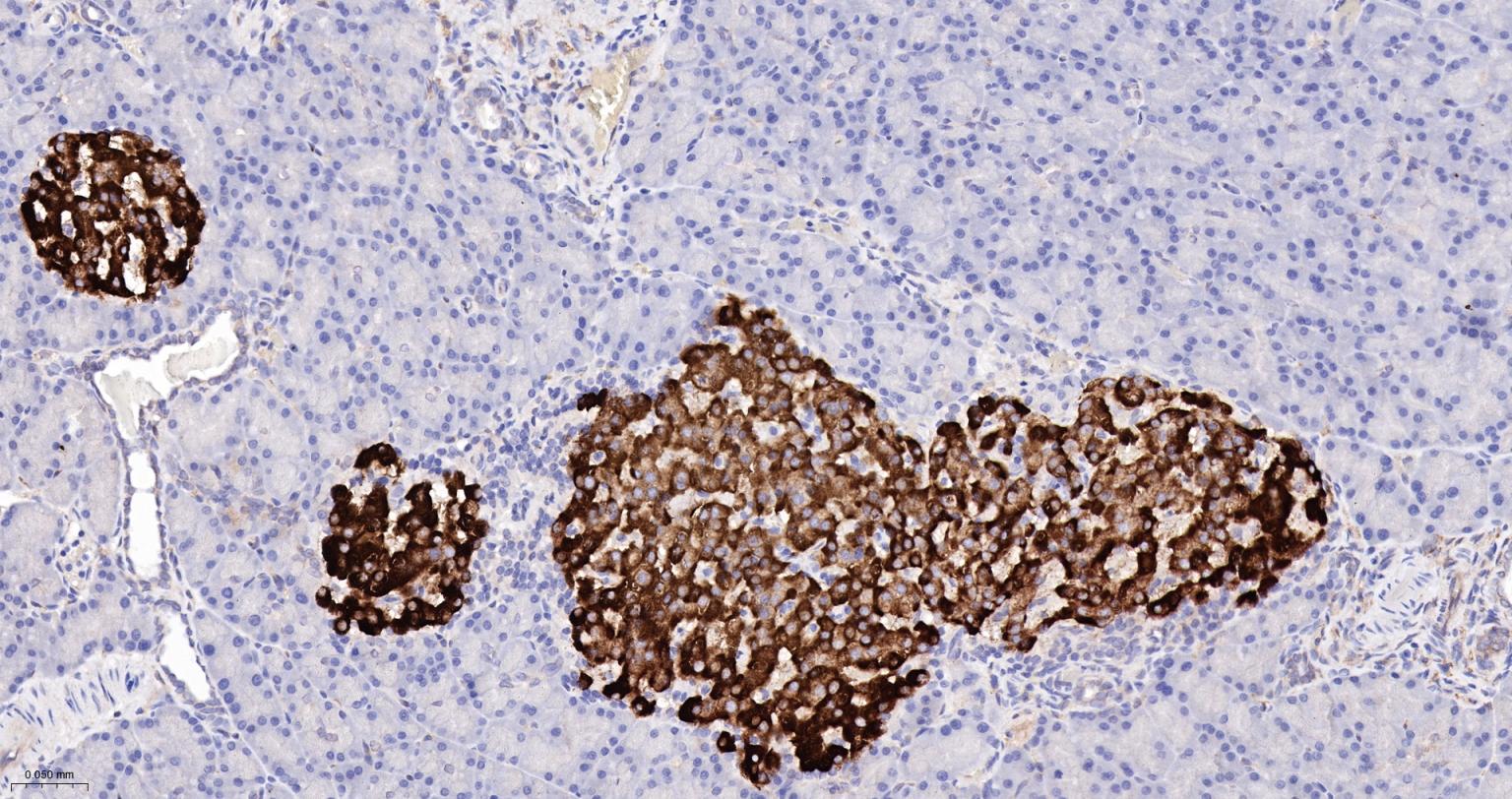
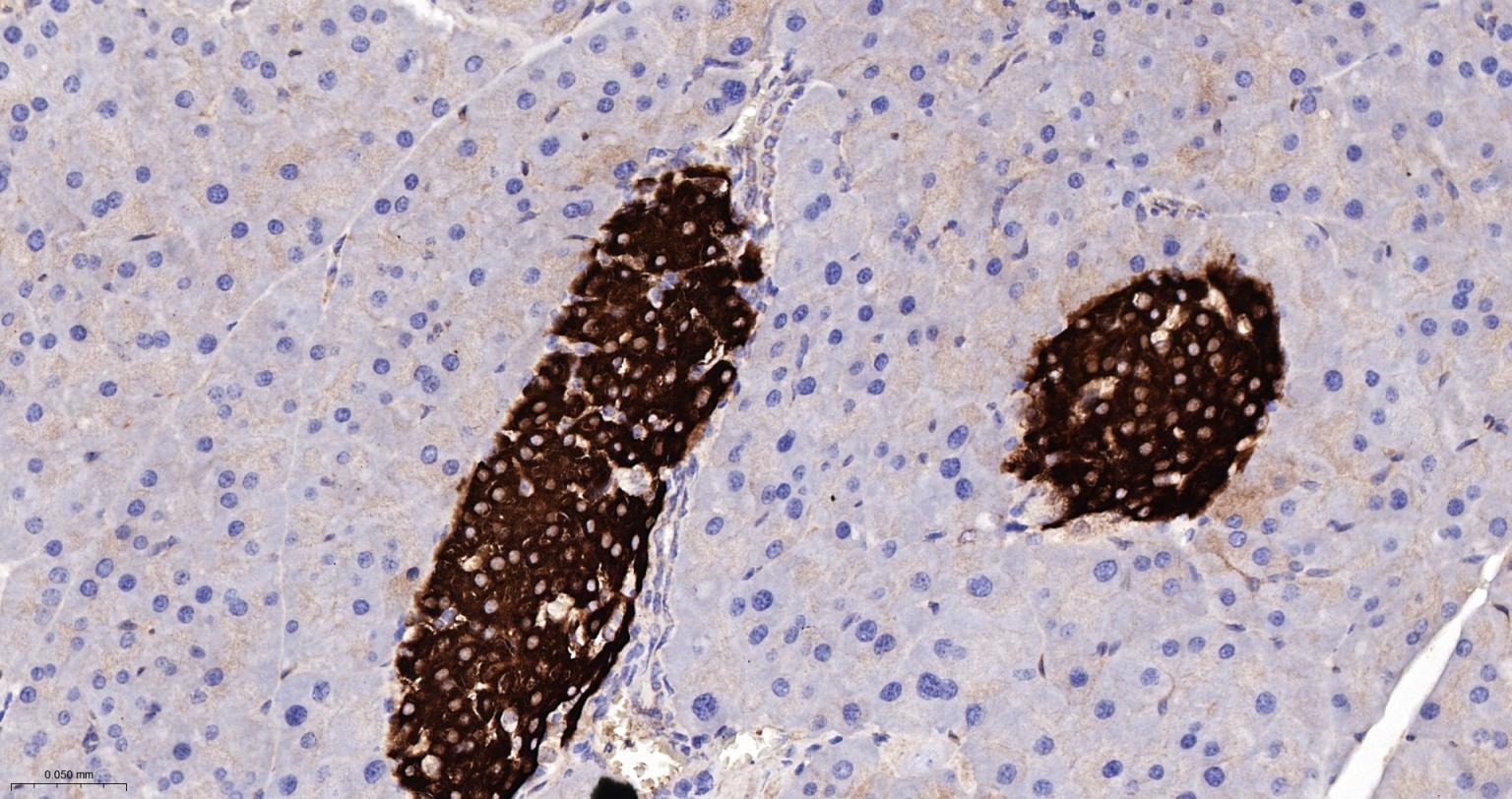
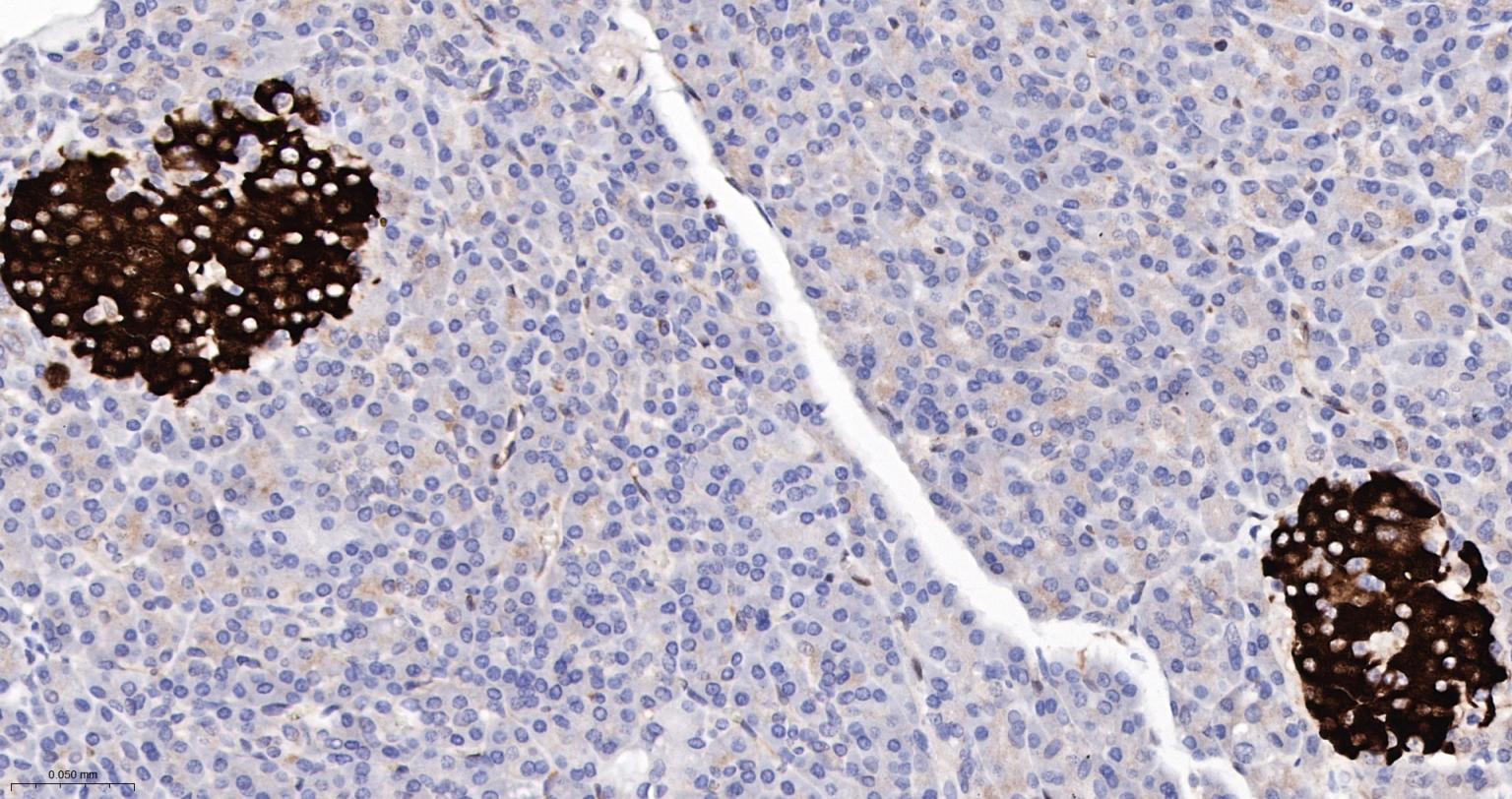
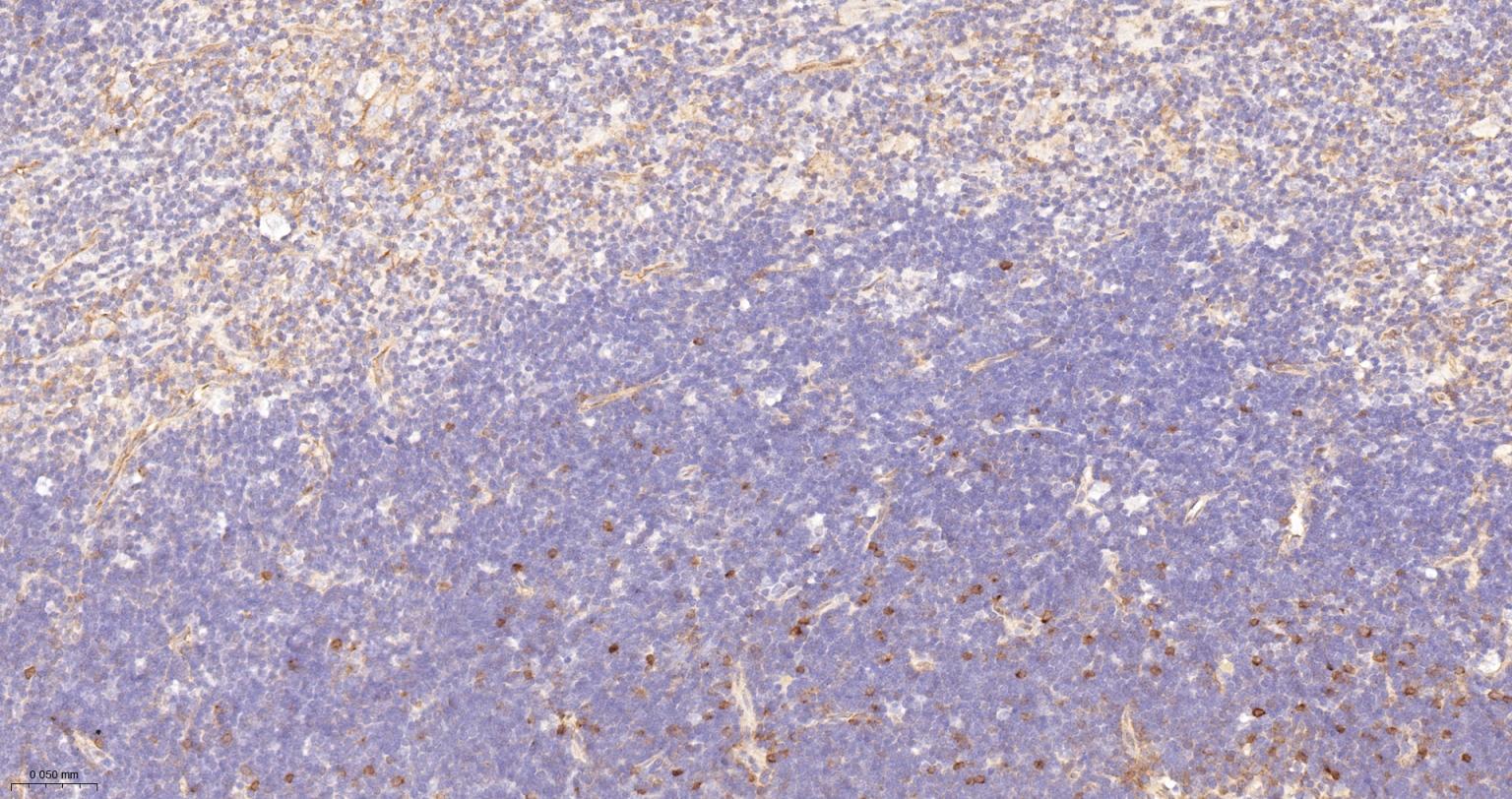
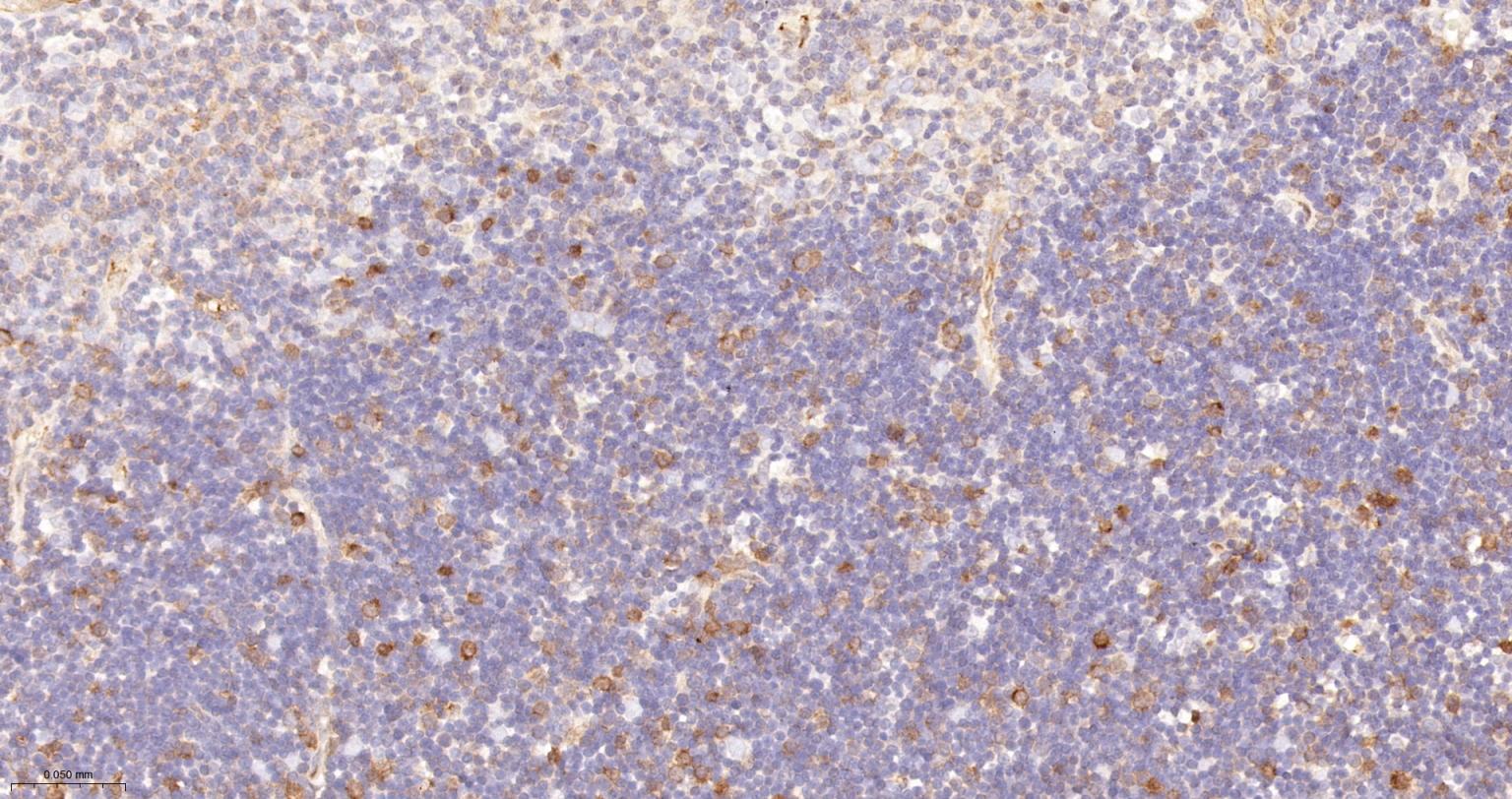
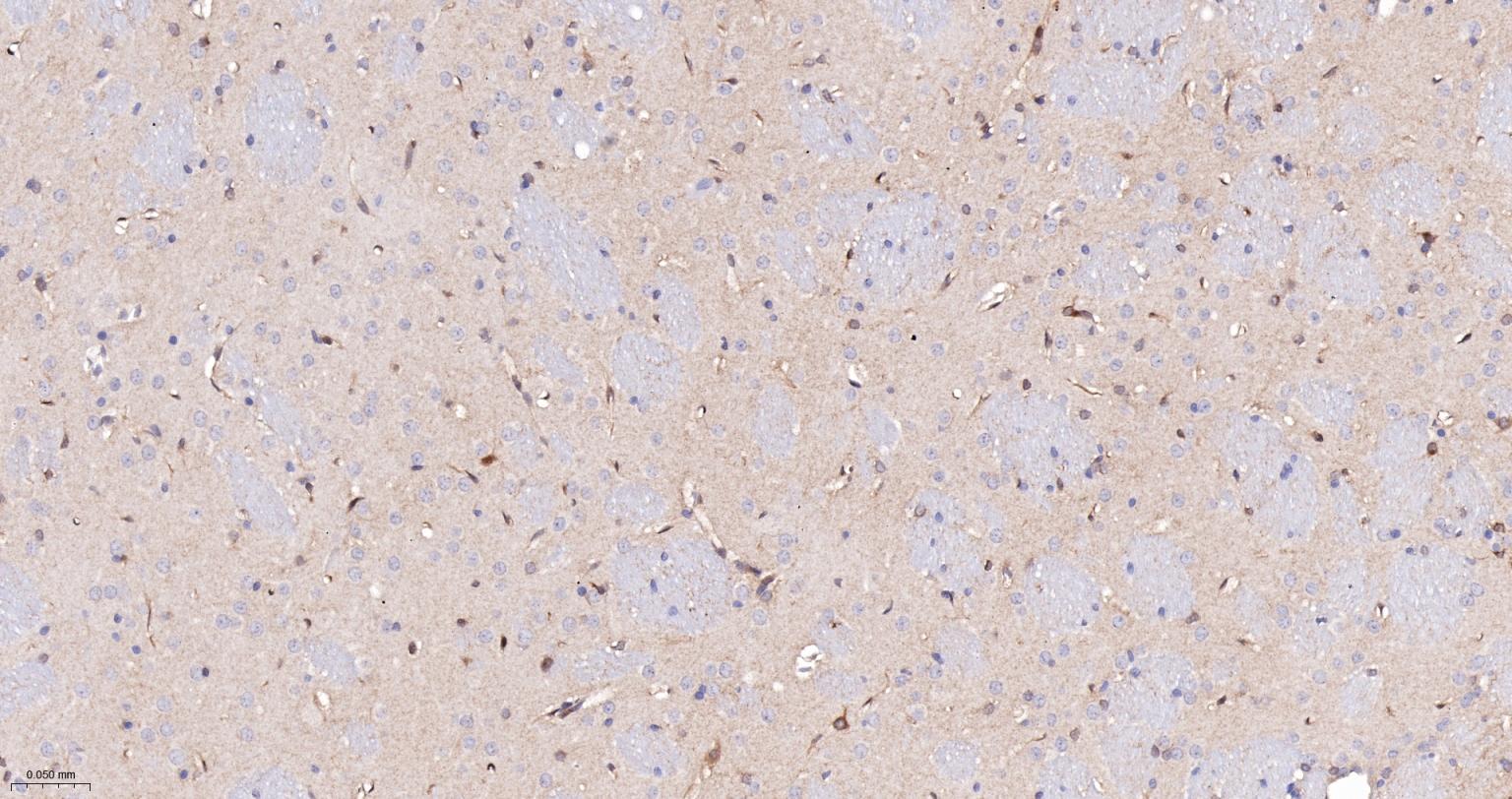
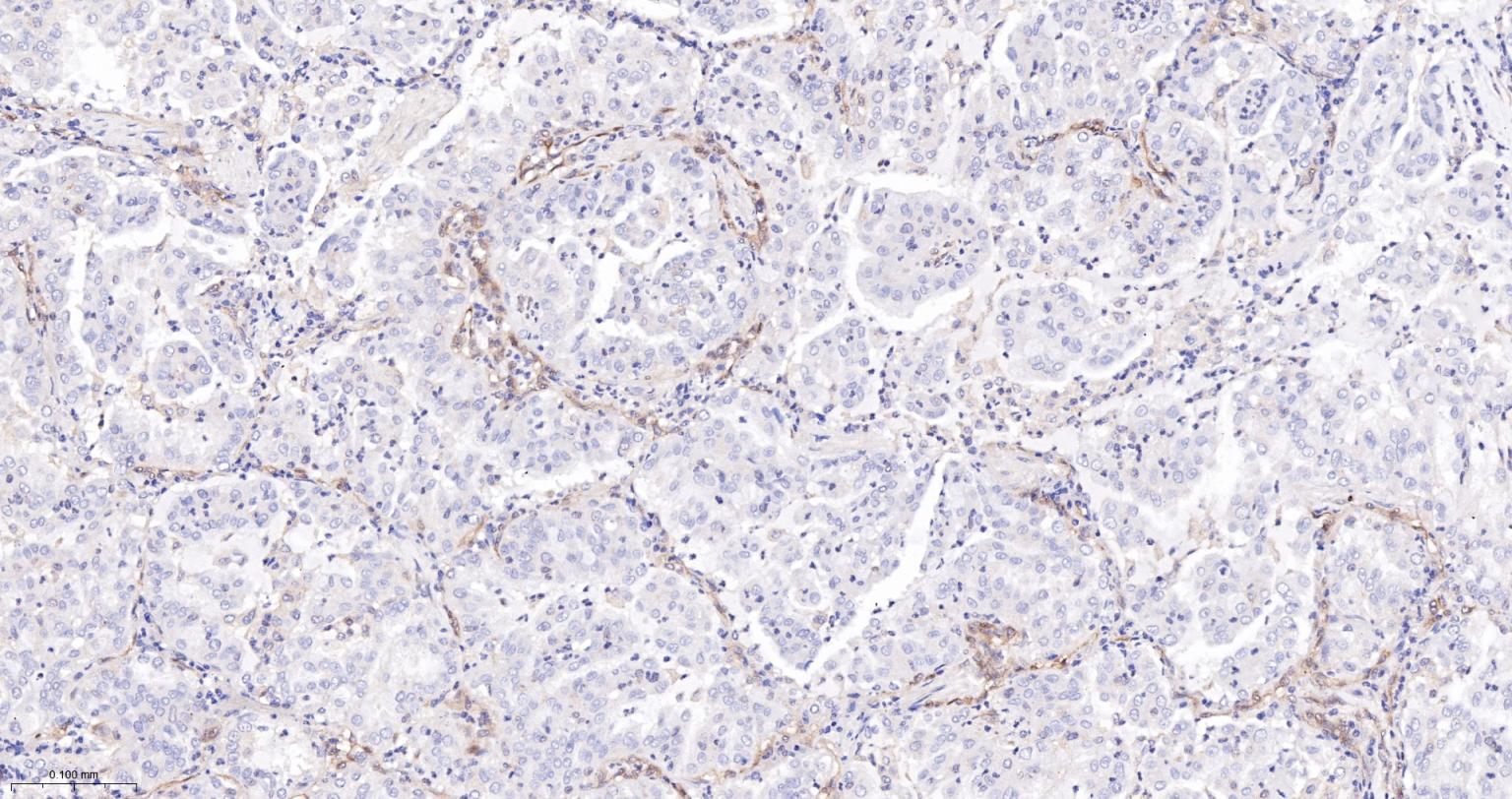
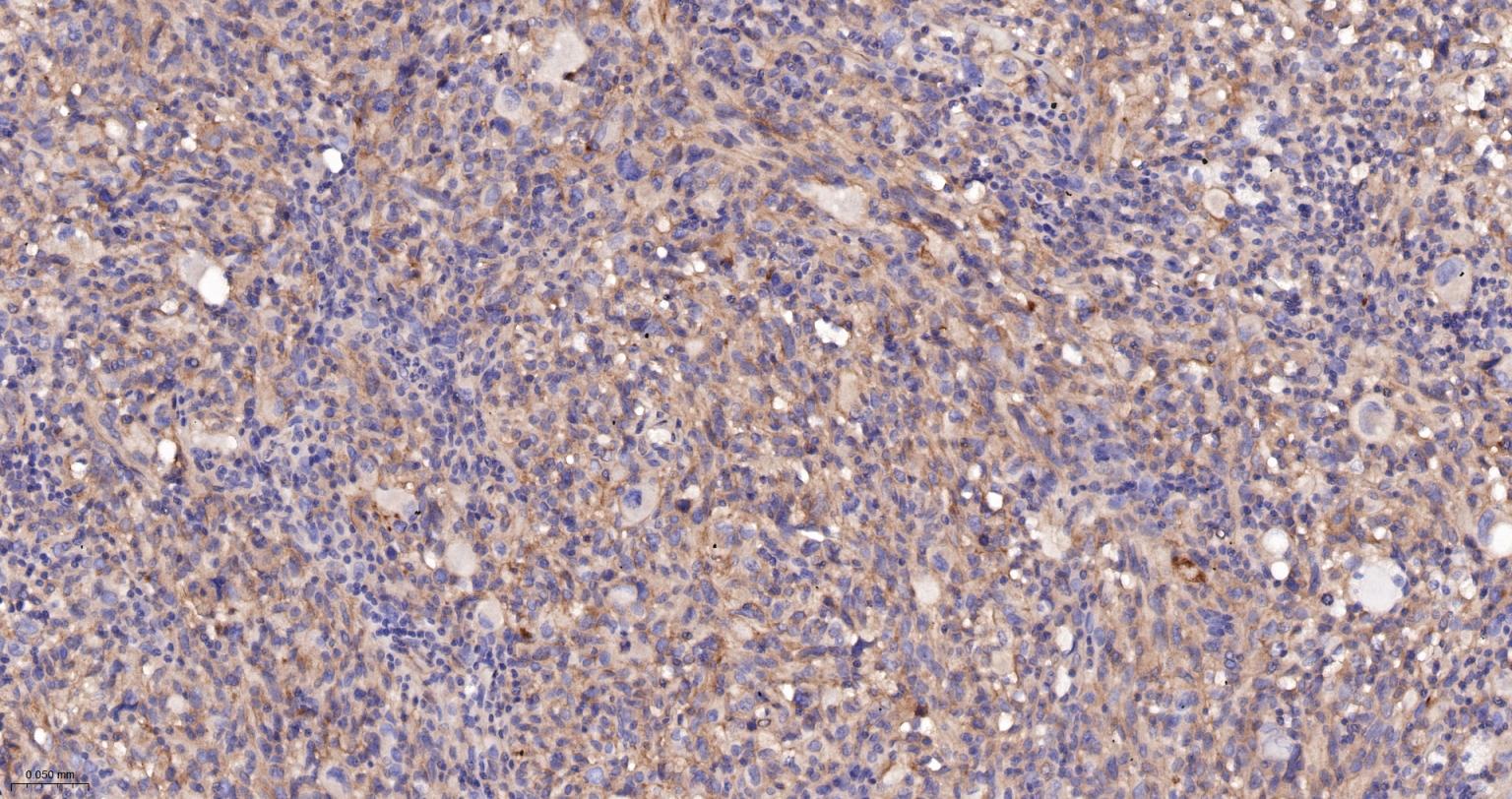
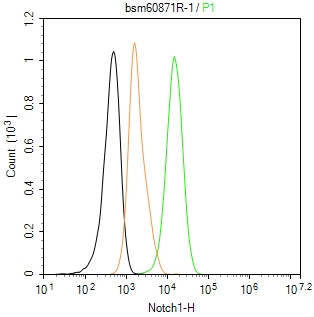
产品应用
| 应用 | 已检合格种属 | 预测种属 | 推荐稀释比例 |
|---|---|---|---|
| WB | Human | Mouse, Rat | 1:500-2000 |
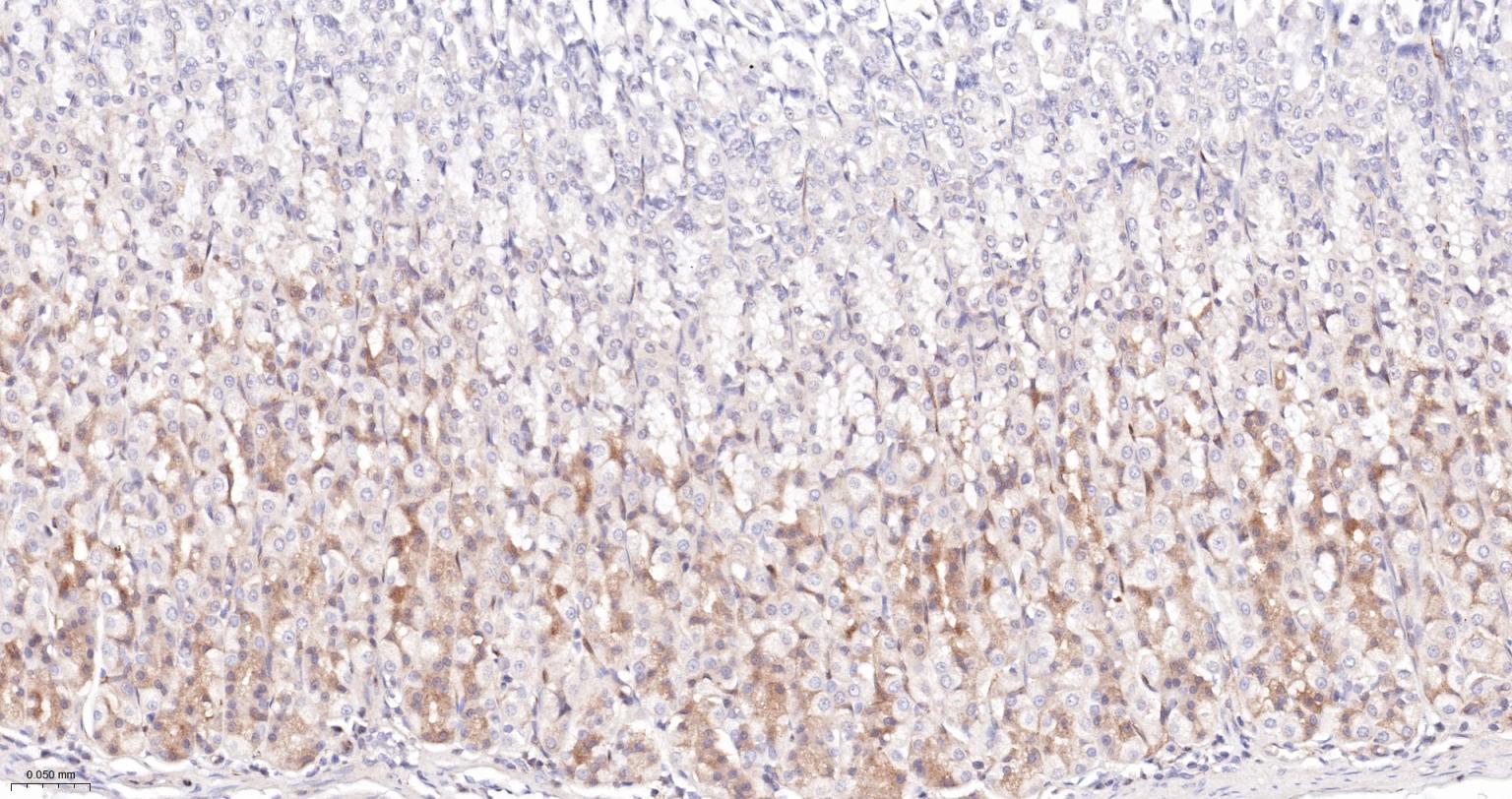
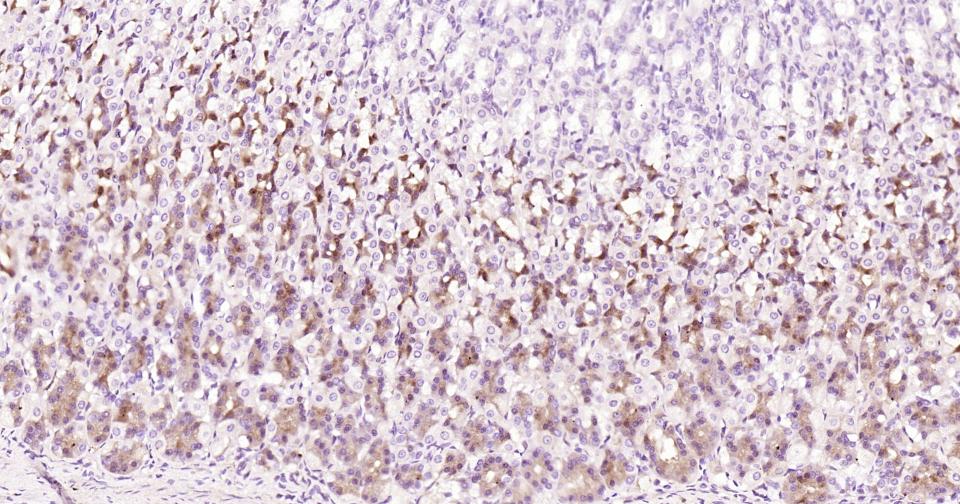
| IHC-P | Human, Mouse, Rat | 1:100-500 | |
| IHC-F | Human, Mouse, Rat | 1:100-500 | |
| IF | Human, Mouse, Rat | 1:100-500 | |
| Flow-Cyt | Human | Mouse, Rat | 1:100-200 |
交叉反应
交叉反应: Human, Mouse, Rat
相关产品
暂无相关产品
靶标
基因名
NOTCH1
蛋白名
Neurogenic locus notch homolog protein 1
亚基
Heterodimer of a C-terminal fragment N(TM) and an N-terminal fragment N(EC) which are probably linked by disulfide bonds. Interacts with DNER, DTX1, DTX2 and RBPJ/RBPSUH. Also interacts with MAML1, MAML2 and MAML3 which act as transcriptional coactivators for NOTCH1. The activated membrane-bound form interacts with AAK1 which promotes NOTCH1 stabilization. Forms a trimeric complex with FBXW7 and SGK1. Interacts with HIF1AN. HIF1AN negatively regulates the function of notch intracellular domain (NICD), accelerating myogenic differentiation.
亚细胞定位
Cell membrane and Nucleus. Following proteolytical processing NICD is translocated to the nucleus.
组织特异性
In fetal tissues most abundant in spleen, brain stem and lung. Also present in most adult tissues where it is found mainly in lymphoid tissues.
翻译后修饰
Synthesized in the endoplasmic reticulum as an inactive form which is proteolytically cleaved by a furin-like convertase in the trans-Golgi network before it reaches the plasma membrane to yield an active, ligand-accessible form. Cleavage results in a C-terminal fragment N(TM) and a N-terminal fragment N(EC). Following ligand binding, it is cleaved by TNF-alpha converting enzyme (TACE) to yield a membrane-associated intermediate fragment called notch extracellular truncation (NEXT). This fragment is then cleaved by presenilin dependent gamma-secretase to release a notch-derived peptide containing the intracellular domain (NICD) from the membrane.
Phosphorylated.
O-glycosylated on the EGF-like domains. Contains both O-linked fucose and O-linked glucose.
Ubiquitinated; undergoes 'Lys-29'-linked polyubiquitination catalyzed by ITCH.
Phosphorylated.
O-glycosylated on the EGF-like domains. Contains both O-linked fucose and O-linked glucose.
Ubiquitinated; undergoes 'Lys-29'-linked polyubiquitination catalyzed by ITCH.
疾病
Defects in NOTCH1 are a cause of bicuspid aortic valve (BAV) [MIM:109730]. A common defect in the aortic valve in which two rather than three leaflets are present. It is often associated with aortic valve calcification and insufficiency. In extreme cases, the blood flow may be so restricted that the left ventricle fails to grow, resulting in hypoplastic left heart syndrome.
相似性
Belongs to the NOTCH family.
Contains 5 ANK repeats.
Contains 36 EGF-like domains.
Contains 3 LNR (Lin/Notch) repeats.
Contains 5 ANK repeats.
Contains 36 EGF-like domains.
Contains 3 LNR (Lin/Notch) repeats.
功能
Functions as a receptor for membrane-bound ligands Jagged1, Jagged2 and Delta1 to regulate cell-fate determination. Upon ligand activation through the released notch intracellular domain (NICD) it forms a transcriptional activator complex with RBPJ/RBPSUH and activates genes of the enhancer of split locus. Affects the implementation of differentiation, proliferation and apoptotic programs. May be important for normal lymphocyte function. In altered form, may contribute to transformation or progression in some T-cell neoplasms. Involved in the maturation of both CD4+ and CD8+ cells in the thymus. May be important for follicular differentiation and possibly cell fate selection within the follicle. During cerebellar development, may function as a receptor for neuronal DNER and may be involved in the differentiation of Bergmann glia.
同靶标产品
相关文献
提示: 发表研究结果有使用 bsm-60871R 时请让我们知道,以便我们可以引用参考文章。作为回馈,资料提供者将获得我们送上的小礼品。